Published: October 26, 2023
Barite grinding mills are critical equipment in the production of high-density barite powder used for nuclear shielding applications. Barite (barium sulfate, BaSO4) possesses a specific gravity of 4.2–4.5, making it an effective and economical material for attenuating gamma radiation and X-rays in medical, industrial, and nuclear power facilities. The effectiveness of barite-based shielding directly correlates with the fineness, purity, and particle size distribution of the ground powder. Modern barite grinding mills must achieve precise micronization—typically 200 mesh to 3250 mesh (74 μm to 5 μm)—while maintaining consistent density characteristics and minimizing contamination. Leading manufacturers like Liming Heavy Industry (founded in 1987) have developed specialized grinding solutions that integrate drying, grinding, classification, and dust collection into single, energy-efficient systems. These mills employ advanced technologies including vertical roller mills, European trapezium mills, and micro powder mills to process barite with Mohs hardness of 3–3.5. The selection of appropriate grinding equipment depends on production capacity requirements (0.5–400 T/H), target fineness, and specific application demands in nuclear shielding construction where every kilogram of barite powder must meet stringent quality standards for radiation attenuation coefficients.
The Critical Role of Barite in Nuclear Shielding
Barite has been utilized for decades as a primary component in radiation shielding concrete and high-density coatings. When finely ground and mixed with cement or polymer binders, barite powder creates barriers that effectively reduce radiation exposure in nuclear reactors, medical imaging rooms, and industrial radiography facilities. The material's high electron density provides superior attenuation of gamma photons through photoelectric absorption and Compton scattering mechanisms. In modern nuclear shielding applications, barite powder must achieve specific fineness specifications—typically 90% passing 200 mesh (74 μm) for concrete applications, or superfine grades of d97 ≤ 5 μm for specialized polymer composites. The grinding process must also ensure minimal iron contamination, as ferrous impurities can affect both the shielding properties and the workability of barite-based materials.
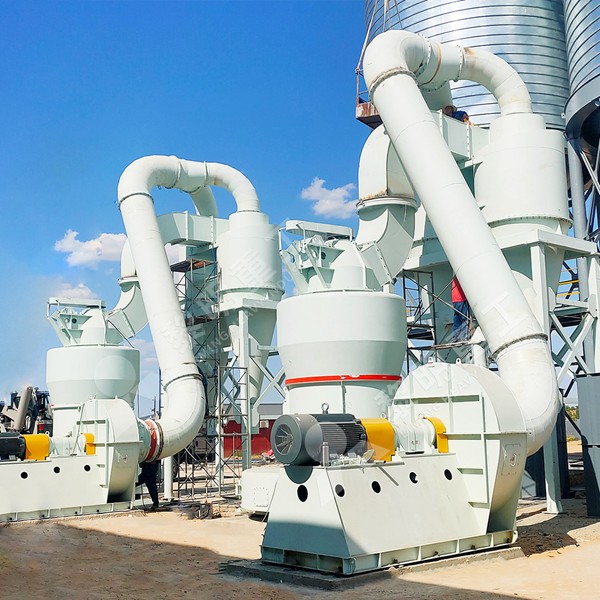
Liming Heavy Industry's Barite Grinding Solutions
1. LM Vertical Roller Mill for High-Capacity Barite Production
For large-scale barite grinding operations serving nuclear shielding concrete manufacturers, Liming's LM Vertical Roller Mill offers unparalleled efficiency. With capacity ranging from 10 to 400 T/H and input sizes up to 55 mm, this mill integrates drying, grinding, and classification in a single unit. The vertical roller design employs advanced hydro-pneumatic systems to maintain consistent grinding pressure, ensuring uniform particle size distribution critical for radiation shielding homogeneity. The mill's automatic electric control system monitors key parameters including grinding pressure, classifier speed, and air flow, maintaining stable operation even with varying barite feed characteristics. The LM mill's ability to process barite with moisture content up to 15% eliminates the need for separate drying equipment, reducing capital expenditure and energy consumption by up to 50% compared to traditional ball mill systems.
2. MTW European Type Trapezium Mill for Medium-Capacity Grinding
Liming's MTW European Type Trapezium Mill represents an upgrade of traditional Raymond mill technology, specifically optimized for non-metallic mineral processing including barite. With capacity ranging from 3 to 55 TPH and input sizes of 30–50 mm, this mill achieves output fineness between 613 μm and 44 μm (30–325 mesh). The mill employs patented technology including bevel gear transmission, curved air ducts, and a segmented grinding roller assembly that reduces vibration and extends service life. For barite grinding, the MTW mill's closed-loop system with pulse dust collector ensures compliance with environmental standards while maintaining product purity. The separator system achieves classification efficiency exceeding 85%, ensuring uniform particle size distribution essential for consistent radiation shielding performance.
Benefits of Modern Barite Grinding Technology for Shielding Applications
Advanced barite grinding mills offer several advantages over conventional ball mills for nuclear shielding powder production. Energy consumption reductions of 30–60% are achievable through optimized grinding mechanisms and integrated classification systems. Product fineness control has improved dramatically, with modern mills achieving d97 specifications within ±5% tolerance. The enclosed grinding systems minimize dust emissions and prevent contamination from external sources, maintaining the high barite purity required for radiation shielding. Automated control systems continuously adjust grinding parameters based on real-time particle size analysis, ensuring consistent quality throughout production runs. These technological advancements have enabled shielding material manufacturers to achieve higher density concretes with improved workability, reducing the thickness required for equivalent radiation protection.
Selecting the Appropriate Barite Grinding Equipment
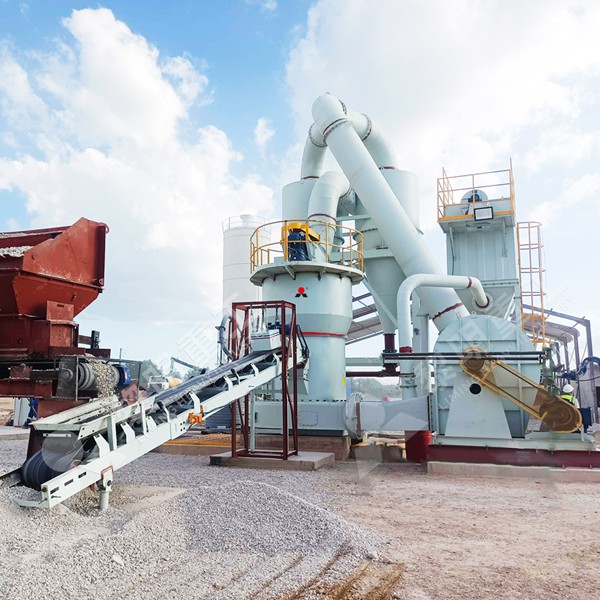
The selection of barite grinding equipment depends on several factors related to the intended nuclear shielding application. For high-volume concrete production requiring 200–325 mesh barite powder at rates exceeding 50 T/H, the LM Vertical Roller Mill provides optimal economics and reliability. For medium-scale operations producing specialized shielding formulations, the MTW European Type Trapezium Mill offers flexibility with fineness adjustment down to 44 μm. Laboratory-scale or pilot plant operations for developing new shielding materials benefit from Liming's Raymond Mill (capacity 1.2–4.5 T/H) or the MW Micro Powder Mill for superfine grinding down to 5 μm (3250 mesh). The ball mill remains suitable for wet grinding applications where slurry processing is required for specific shielding coating formulations, though its higher energy consumption and lower classification efficiency make it less competitive for dry barite grinding compared to modern vertical and trapezium mill designs.
Quality Control and Testing Protocols
Nuclear shielding applications demand rigorous quality control throughout the barite grinding process. Particle size analysis using laser diffraction methods confirms that the ground powder meets specified mesh requirements. Bulk density measurements verify specific gravity consistency, with barite for shielding typically requiring a minimum specific gravity of 4.2. Chemical analysis confirms barium sulfate content exceeding 95% and monitors for contaminating elements like iron and lead that could affect shielding performance. Moisture content is controlled below 1% to prevent segregation and ensure proper mixing with binders. Liming Heavy Industry's grinding systems incorporate sampling points and automated monitoring to support these quality control requirements, with data logging capabilities that provide traceability for regulatory compliance in nuclear industry applications.
Frequently Asked Questions
Q: What fineness of barite powder is recommended for nuclear shielding concrete?
A: For standard nuclear shielding concrete applications, barite powder should be ground to 90% passing 200 mesh (74 μm) or finer. Higher density requirements or specialized polymer-based shielding materials may require fineness up to 325 mesh (44 μm) or superfine grades of 5–10 μm for improved packing density and radiation attenuation.
Q: How does the LM Vertical Roller Mill compare to traditional ball mills for barite grinding?
A: The LM Vertical Roller Mill offers 30–50% lower energy consumption, integrated drying capability, higher capacity per unit footprint, and superior particle size distribution control compared to ball mills. It also reduces maintenance requirements through fewer wear parts and eliminates the need for grinding media replacement.
Q: Can Liming grinding equipment process barite with high moisture content?
A: Yes, the LM Vertical Roller Mill can process barite with moisture content up to 15% through its integrated drying system using hot gas from the air blower or external heat source. For other mill types like MTW or Raymond mills, barite should be dried to below 6% moisture before feeding to maintain optimal grinding efficiency.
Q: What safety certifications do Liming grinding mills have for nuclear industry applications?
A: Liming Heavy Industry's grinding equipment complies with international safety standards including CE certification for European markets. For nuclear shielding applications, the mills are designed with explosion-proof electrical components, emergency stop systems, and dust collection meeting environmental regulations. Specific customizations for nuclear facility compliance can be engineered upon request.
Q: How long does it typically take to commission a barite grinding mill for nuclear shielding production?
A: Commissioning time varies by mill type and capacity. Standard installations for medium-capacity MTW mills typically require 2–4 weeks for assembly, calibration, and test runs. Larger LM Vertical Roller Mill systems may need 4–8 weeks for complete commissioning including optimization of grinding parameters for specific barite feed characteristics and target fineness specifications.


