Published on: October 26, 2023
Effective oil filtration is a cornerstone of reliable and efficient kaolin processing using Raymond Mill technology. For operations focused on producing high-purity kaolin powders within the 613μm to 44μm range, maintaining the integrity of the grinding mill's lubrication system is paramount. Contaminated lubricant accelerates wear on critical components like grinding rollers and rings, leading to unplanned downtime, increased maintenance costs, and potential deviations in product fineness. This article explores the operational challenges posed by oil contamination in kaolin milling, outlines best practices for filtration system integration and maintenance, and highlights how a proactive approach to lubrication management safeguards productivity, extends equipment service life, and ensures consistent product quality in demanding mineral processing environments.
Kaolin, or china clay, is a soft white clay essential to industries ranging from ceramics and paper to cosmetics. Its processing demands precision grinding equipment capable of delivering consistent fineness and purity. The Raymond Mill, a long-standing workhorse in non-metallic mineral pulverizing, is exceptionally well-suited for this task. Its design, which involves grinding rollers applying force to a rotating ring to crush and pulverize feed material, generates significant mechanical stress and heat. A robust, clean lubrication system is not an accessory but a fundamental requirement for smooth operation. It reduces friction, dissipates heat, and protects the gearbox, bearings, and other moving parts from premature failure.
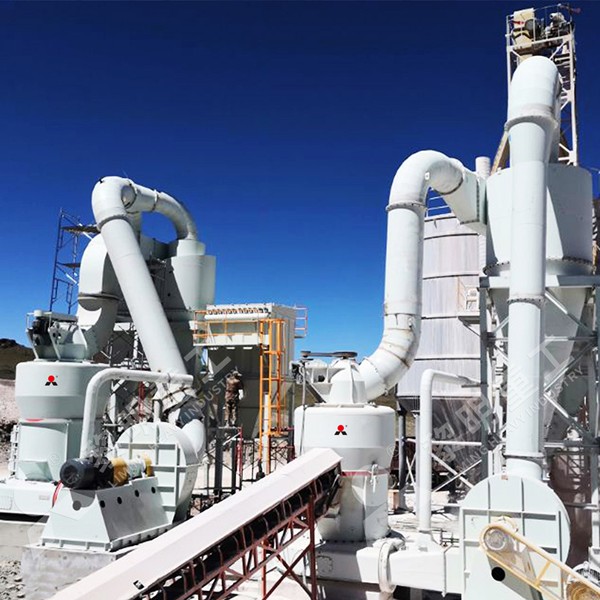
In the context of kaolin processing, the lubrication system faces unique challenges. While kaolin itself is not inherently abrasive in the same way as silica, the grinding process can generate fine particulate matter that, if it infiltrates the oil reservoir, acts as a contaminant. Furthermore, environmental dust and moisture ingress are constant threats, especially in large-scale industrial settings. Water in oil, even in small percentages, can lead to hydrolysis, degrading oil additives and forming corrosive acids. The combination of solid particles and water creates a slurry that drastically accelerates wear, scoring surfaces and leading to increased clearances, vibration, and energy inefficiency.
Implementing a multi-stage oil filtration strategy is the most effective defense. This typically involves a combination of offline (kidney-loop) filtration systems and integrated in-line filters. Offline filtration units continuously clean the oil from the main reservoir, removing particles down to micron levels and effectively separating water. For Raymond Mills processing kaolin, a target cleanliness code that ensures particles larger than a critical size are virtually eliminated is recommended. The specific micron rating depends on the mill's tolerances, but a filtration system capable of removing particles as small as 3-10 microns is often beneficial. Regular oil analysis is the diagnostic tool that informs this strategy; by monitoring particle counts, water content, and additive depletion, maintenance can transition from a reactive to a predictive model.
The benefits of a disciplined oil filtration regimen are substantial and directly impact the bottom line. First and foremost is extended component life. Clean oil prevents three-body abrasion, significantly prolonging the service interval for grinding rolls, shafts, and bearings. This translates directly into reduced spare parts inventory and lower long-term capital expenditure. Secondly, it ensures consistent grinding performance. A mill running with optimal lubrication maintains stable power consumption and grinding pressure, which is critical for achieving the uniform particle size distribution required for high-grade kaolin. Fluctuations in friction or unexpected shutdowns disrupt this consistency.
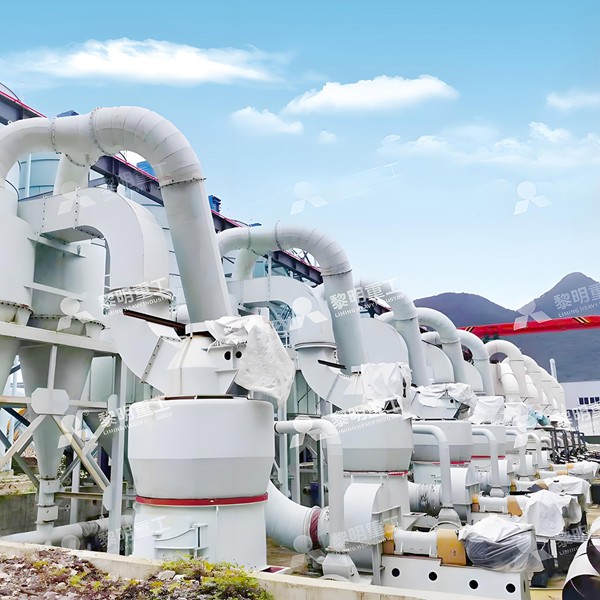
Thirdly, energy efficiency is improved. Friction is an enemy of efficiency. A well-lubricated mill requires less motive power to achieve the same grinding output, reducing operational costs. Finally, it enhances system reliability and safety In conclusion, for kaolin producers, investing in and maintaining a high-performance oil filtration system is an investment in the core of their grinding operation. It protects the significant capital outlay for the Raymond Mill itself, optimizes operational expenditure through energy savings and fewer spare parts, and guarantees the consistent product quality that the market demands. Treating lubrication oil as a key component—one that requires monitoring, cleaning, and periodic renewal—is a hallmark of advanced, modern mineral processing management. By partnering with an equipment manufacturer that understands these holistic system requirements, kaolin processors can build a foundation for sustainable, profitable, and reliable production. 1. How often should the oil in my Raymond Mill's lubrication system be changed when processing kaolin? 2. What are the primary signs that my mill's oil filtration is inadequate? 3. Can I use a standard industrial filter, or do I need a specialized one for my grinding mill? 4. Does the type of lubricant matter as much as the filtration? 5. Is offline (kidney-loop) filtration necessary, or are the built-in filters sufficient?Frequently Asked Questions (FAQs)
There is no universal interval; it depends on operating hours, environmental conditions, and system filtration. Regular oil analysis (e.g., every 500-1000 operating hours) is the best way to determine the oil's condition. A good offline filtration system can extend oil life by 3-5 times compared to a system with only basic in-line filters.
Key indicators include a rapid increase in oil temperature, elevated operating amperage (signifying higher friction), increased mechanical vibration or unusual noises from the gearbox/grinding chamber, and a visible darkening or cloudiness (emulsification) of the oil. Frequent bearing failures are a major red flag.
While standard filters may work, specialized filtration systems designed for heavy-duty grinding equipment are recommended. These often combine particulate removal with water-absorbing or coalescing elements and are built to handle the flow rates and pressure demands of continuous mill operation.
Absolutely. Both are critical. Always use the lubricant grade and specification recommended by the mill manufacturer. High-quality, thermally stable oils with appropriate anti-wear additives form the base. Excellent filtration then preserves that oil's properties for as long as possible.
Built-in in-line filters are essential for protecting against catastrophic failure from large contaminants. However, they are typically not sufficient for maintaining the ultra-clean oil condition that maximizes component life. An offline filtration system provides continuous, fine purification and water removal, making it a highly cost-effective addition for serious operations aiming for maximum uptime and longevity.


