Published: October 26, 2023
Ensuring the long-term stability and operational integrity of industrial grinding equipment begins at its foundation. For kaolin processing applications utilizing Raymond Mill technology, the selection, installation, and maintenance of foundation bolts are critical engineering considerations that directly impact machine alignment, vibration control, and service life. This article delves into the technical specifications, installation protocols, and material science behind robust foundation systems for Raymond Mills, drawing upon decades of engineering expertise from Liming Heavy Industry. We will explore how proper foundational engineering mitigates operational stresses, maintains grinding precision, and safeguards your investment in mineral processing machinery.
At Liming Heavy Industry, our engineering philosophy extends beyond the mill itself to encompass the entire support system required for optimal performance. The Raymond Mill, a cornerstone of our grinding equipment portfolio, is designed for processing non-flammable, non-explosive materials like kaolin with a Mohs hardness under 7 and humidity below 6%. While its grinding mechanism—where rollers rotate against a stationary ring to crush and classify material—is renowned for reliability, its effectiveness is wholly dependent on a perfectly stable base. Any foundational shift or bolt fatigue can introduce misalignment, leading to uneven roller wear, increased vibration, reduced fineness control (within the 44μm to 613μm range), and ultimately, unplanned downtime.
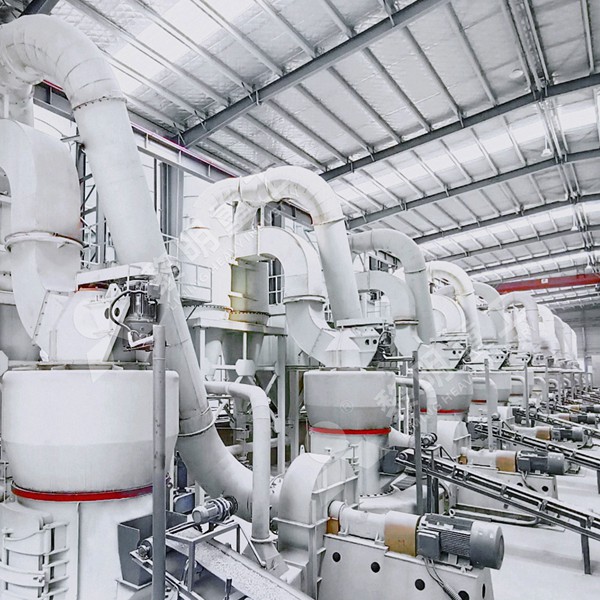
The foundation bolt system acts as the critical interface between the mill's heavy-duty base frame and the reinforced concrete foundation. For kaolin applications, which often require continuous operation to achieve outputs between 1.2 and 4.5 tons per hour, the dynamic loads are significant. These include not only the static weight of the mill and its components but also cyclical forces from grinding action, rotational mass, and potential shock loads from feed variations. Our engineers specify high-tensile, alloy steel bolts that are corrosion-resistant, considering the sometimes humid environments of mineral processing plants. The bolt design includes an embedded lower section for maximum pull-out resistance and an upper threaded section secured with high-grade nuts and load-distributing washers.
Installation is a precision task. The process begins with the meticulous placement and fixing of the bolt assemblies within the formwork before concrete is poured. Using laser alignment tools, our field technicians ensure each bolt group is positioned according to the mill's base plate drilling pattern, with exacting tolerances for perpendicularity and elevation. The concrete foundation itself is designed with depth and mass calculations that account for the soil bearing capacity and the specific dynamic load profile of the operating Raymond Mill. After the concrete has fully cured, the mill's base frame is lowered onto the bolts. The subsequent tightening sequence—a multi-stage, cross-pattern torque application—is crucial. It ensures even clamping force across the entire footprint, preventing frame distortion that could be transmitted to the grinding chamber.
Long-term stability requires a proactive maintenance regimen. During routine inspections, technicians check for any signs of bolt loosening using calibrated torque wrenches. They also inspect for surface corrosion or stress cracks, particularly in the exposed threads. It is vital that the concrete foundation around the bolt pockets remains intact and free from oil or chemical erosion, which can compromise the bond. Liming Heavy Industry's operational manuals provide detailed schedules for these checks, aligning them with planned maintenance shutdowns for grinding roller and ring replacement.
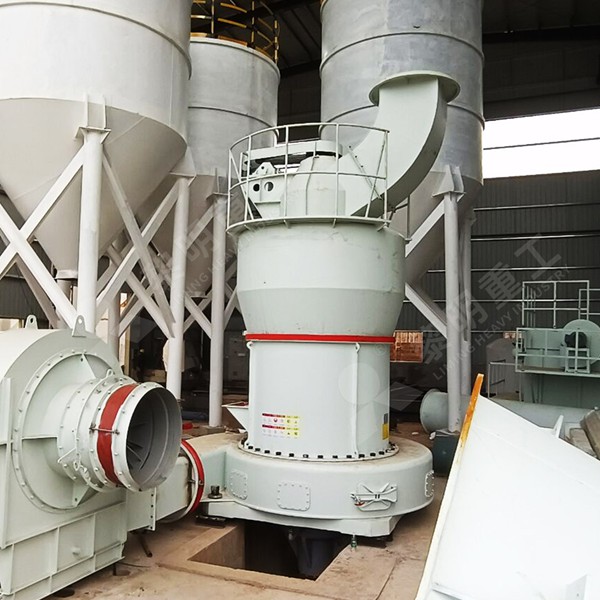
Why does Liming Heavy Industry emphasize this often-overlooked component? Because our commitment to "precision manufacturing and pioneering innovation" is holistic. A Raymond Mill absorbing advanced grinding technology can only perform as intended if its foundation is immovable. Our 30-year history, rooted in the scientific management of research, manufacturing, and sales, has taught us that durability is built from the ground up. The 80,000 square meter Hi-TECH Industry Development Zone headquarters and our extensive R&D efforts focus on such integral aspects of total system reliability. For kaolin producers, this translates to consistent product fineness, maximized operational uptime, and the assurance that their grinding equipment is supported by engineering excellence in every bolt, from the foundation to the final product collection.
Frequently Asked Questions (FAQ)
- What is the primary function of foundation bolts for a Kaolin Raymond Mill?
The primary function is to rigidly secure the mill's base frame to the reinforced concrete foundation, preventing any movement, misalignment, or vibration-induced walking that could degrade grinding performance, cause uneven wear, and lead to mechanical failure. - How often should foundation bolts be inspected and re-torqued?
A formal inspection and torque check should be conducted during every major planned maintenance shutdown, typically every 6 to 12 months depending on operational intensity. A visual check for obvious issues should be part of routine weekly or monthly walk-arounds. - Can standard commercial anchor bolts be used, or are special bolts required?
Special, high-tensile alloy steel bolts designed for heavy dynamic loads are required. Liming Heavy Industry provides or specifies the exact bolt grade, dimensions, and assembly (including washers and nuts) as part of the mill's foundation drawings to ensure compatibility and safety. - What are the consequences of improperly installed or loose foundation bolts?
Consequences include increased vibration and noise, misalignment of the grinding roller and ring assembly, accelerated wear of grinding parts, reduced control over product fineness, potential damage to the main drive system, and in severe cases, catastrophic failure of the mill's structural integrity. - Does Liming Heavy Industry provide guidance for the concrete foundation design?
Yes. With every Raymond Mill order, we provide detailed foundation layout drawings, including bolt positioning plans, embedment depths, required concrete strength and volume, and load data for your civil engineers to design a compliant and adequate substructure.


