Published on: October 26, 2023
Proper belt tension is a cornerstone of operational efficiency and longevity for Raymond Mills processing kaolin and other non-metallic minerals. As a critical component of the power transmission system, the drive belt connects the motor to the grinding mill's central shaft, directly influencing power delivery, vibration levels, and overall equipment health. Incorrect tension—whether too loose or too tight—can lead to a cascade of issues including excessive slippage, premature belt wear, bearing overload, and reduced grinding consistency. This article delves into the principles of optimal belt tensioning for Raymond Mills, drawing on the engineering expertise and reliable design of LIMING HEAVY INDUSTRY's grinding equipment, to ensure your kaolin processing line achieves peak productivity and minimal downtime.
At the heart of a Raymond Mill's operation is the precise transmission of rotational force. The motor, acting as the prime mover, must deliver consistent power to the grinding roller assembly to maintain the necessary pressure on the grinding ring for pulverizing kaolin. This force is transmitted almost exclusively via high-quality, durable V-belts or synchronous belts. When tension is ideal, the belt grips the pulleys firmly with minimal elastic stretch, ensuring near 100% power transfer. This results in stable mill operation, consistent fineness of the kaolin powder (typically within the 44μm to 613μm range), and optimal energy consumption. LIMING HEAVY INDUSTRY designs its Raymond Mill drive systems with robust, adjustable motor bases precisely to facilitate this critical tensioning procedure.
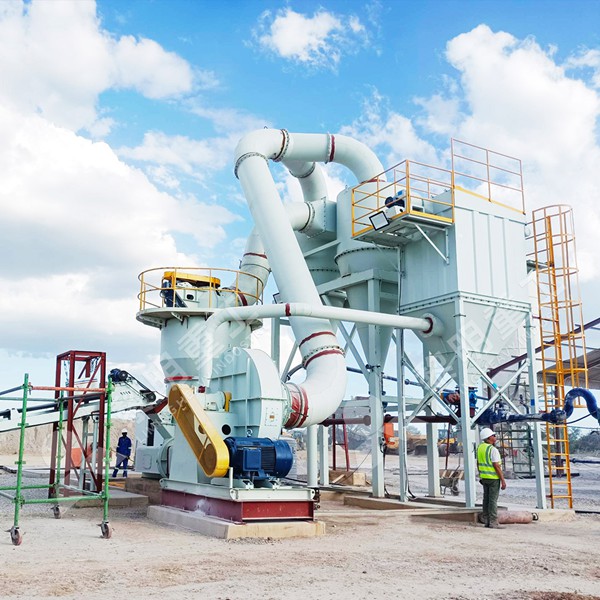
Conversely, operating a Raymond Mill with a loose belt is a common pitfall with immediate consequences. Belt slippage occurs, generating excess heat and causing a noticeable drop in the rotational speed of the grinding rollers. This directly translates to reduced milling capacity and can cause fluctuations in the fineness of the output kaolin powder. The slippage itself accelerates belt wear, leading to glazing and cracking. Furthermore, the erratic motion can induce unwanted vibration, potentially affecting the stability of the entire grinding system. From a maintenance perspective, while a loose belt is less stressful on bearings, the frequent need for belt replacement and production losses make it an unsustainable practice.
On the opposite end of the spectrum, over-tensioning the belt introduces a different set of mechanical risks. Excessive force places severe radial loads on both the motor and the mill's main shaft bearings. This dramatically increases bearing operating temperature and stress, shortening their service life and risking catastrophic failure. The belt itself, stretched beyond its designed elasticity, experiences internal cord damage and rapid sidewall wear. The increased load also forces the motor to work harder, leading to higher energy consumption. In severe cases, the added strain can even contribute to shaft misalignment. Therefore, the goal is not maximum tension, but the correct tension specified by the equipment manufacturer.
Establishing and maintaining the correct belt tension requires a methodical approach. For traditional V-belts, the standard "thumb pressure" method is a good field check: with moderate finger pressure at the midpoint of the belt span, there should be approximately 10-15mm of deflection. A more precise method involves using a belt tension gauge to measure the static tension force, which should align with the technical manual's specifications. During the initial installation or replacement of belts, it is crucial to tension all belts in a matched set evenly. After the first 24-48 hours of operation, a re-tensioning check is essential as new belts undergo an initial seating and stretch period. LIMING HEAVY INDUSTRY provides comprehensive operational manuals with its Raymond Mills, offering clear guidance on these maintenance protocols to safeguard your investment.
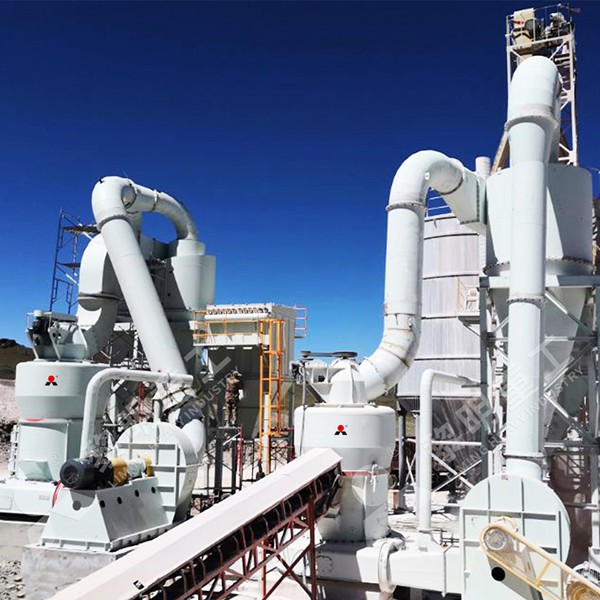
A comprehensive maintenance routine extends beyond just checking tension. Regular visual inspections for cracks, fraying, or uneven wear on the belts are vital. Simultaneously, ensure pulley grooves are clean and free from material buildup (like kaolin dust) that can affect grip and belt alignment. Proper alignment of the motor and mill pulleys is fundamental; misalignment is a leading cause of rapid, uneven belt wear regardless of tension. Monitoring bearing temperatures and listening for unusual noises can provide early warnings of tension-related issues. By integrating belt tension checks into a scheduled maintenance plan—a philosophy embodied by LIMING HEAVY INDUSTRY's commitment to durable and serviceable design—operators can prevent unexpected stoppages and ensure their Raymond Mill continues to deliver reliable performance in processing kaolin, calcium carbonate, gypsum, and other non-metallic minerals.
Adhering to these belt tension principles maximizes the inherent reliability of the grinding equipment. LIMING HEAVY INDUSTRY, with its decades of experience in manufacturing medium and large-scale crushing and grinding machinery, engineers its Raymond Mills for stability and ease of maintenance. By prioritizing this simple yet critical aspect of mill operation, producers can achieve the consistent output quality, high productivity, and long-term operational economy that are essential in today's competitive non-metallic mineral industry.
Frequently Asked Questions (FAQs)
- How often should I check the belt tension on my Raymond Mill?
It is recommended to perform a visual and manual check for proper tension at least once a week during routine inspections. A more formal check and potential adjustment should be conducted after the first 48 hours of new belt operation and then as part of a scheduled monthly maintenance plan. - What are the clear signs that my Raymond Mill's drive belt is too loose?
Audible squealing or chirping noises during startup or under load, visible belt flutter, a noticeable drop in grinding capacity or fineness inconsistency, and excessive heat from the belt itself are primary indicators of a loose belt. - Can I use any standard industrial V-belt as a replacement?
No. It is crucial to use the exact belt type and size specified in the equipment manual. Using mismatched or non-genuine belts can lead to improper fit, uneven tension across multiple belts, and reduced performance. Always source recommended belts for optimal compatibility. - Does processing harder materials require different belt tension?
The belt tension setting is related to transmitting the motor's designed power, not directly to material hardness. The mill's grinding mechanics handle material hardness. However, consistently running at maximum load may warrant more frequent tension and belt condition monitoring. - Is belt slippage always caused by incorrect tension?
While incorrect tension is the most common cause, slippage can also result from contaminated pulleys (oil, grease, kaolin dust), severely worn pulley grooves, or a failed belt that has lost its internal tensile strength. Inspection should cover all these areas.


