Published on: October 26, 2023
Regular and meticulous gear inspection is paramount for the sustained, high-performance operation of Raymond Mills processing kaolin and other non-metallic minerals. As a cornerstone of grinding circuits in industries ranging from construction materials to chemicals, the Raymond Mill's reliability hinges on the health of its core transmission components, particularly its gearing system. This article delves into the importance, methodology, and best practices for gear inspection, drawing from the extensive engineering and manufacturing expertise of Liming Heavy Industry. We will explore how proactive maintenance of these critical parts in mills like our Raymond Mill series ensures optimal productivity, minimizes unplanned downtime, and extends the equipment's operational lifespan, safeguarding your investment in mineral processing.
The gearing system in a Raymond Mill is the heart of its power transmission. It converts the motor's rotational energy into the precise mechanical force needed to drive the grinding rollers against the bull ring, pulverizing materials like kaolin to the desired fineness. Given the continuous operation under significant mechanical stress, gears are susceptible to wear, pitting, misalignment, and lubrication failure. A minor defect, if undetected, can cascade into a catastrophic failure, leading to costly repairs and prolonged production halts. Therefore, implementing a structured gear inspection regimen is not merely recommended; it is an essential component of responsible plant management.
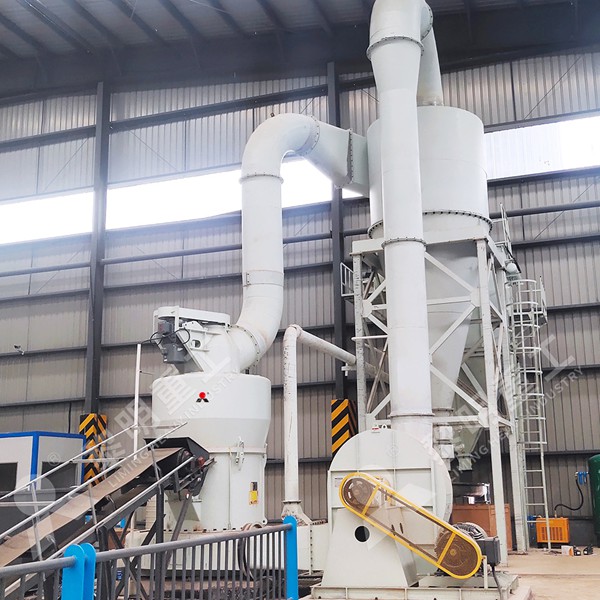 At Liming Heavy Industry, our design philosophy for mills, including the Raymond Mill, MTW European Type Grinding Mill, and others, emphasizes not just performance but also maintainability. The gearboxes and drive trains are engineered for robustness, but their longevity depends on consistent care. Inspection protocols should be integrated into both daily operator checks and scheduled shutdown maintenance. Daily inspections involve monitoring for unusual noises (such as grinding or knocking from the gear housing), excessive vibration, and any signs of oil leakage around gear seals. Temperature checks on the gearbox housing can also provide early warnings; a significant temperature rise often indicates friction issues or lubrication problems.
For comprehensive assessment, periodic detailed inspections during planned maintenance shutdowns are crucial. This involves a multi-step process:
- Visual Inspection: After ensuring the mill is safely isolated and the gear housing is opened, technicians should first conduct a thorough visual examination. Look for signs of wear patterns, scoring, pitting (small surface cavities), spalling (flaking of metal), or plastic deformation on the gear teeth. The tooth contact pattern should be even across the face width.
- Cleanliness and Lubricant Analysis: Contamination is a major enemy of gears. Inspect the lubricant for metal particles, water ingress, or degradation. Regular oil analysis can predict failures by identifying increasing levels of wear metals.
- Dimensional and Alignment Checks: Using precision tools, check for gear backlash (the slight movement between meshing teeth) and tooth profile. Misalignment between the pinion and the ring gear is a common cause of uneven wear and must be corrected to specifications. Our Raymond Mills are manufactured with high precision, but operational forces can sometimes shift components.
- Non-Destructive Testing (NDT): For critical applications or if visual inspection suggests subsurface issues, techniques like magnetic particle inspection or ultrasonic testing can be employed to detect hidden cracks or flaws in the gear material.
Proper lubrication cannot be overstated. Using the correct grade of oil or grease, as specified in the Liming Heavy Industry operation manual, and adhering to strict change intervals is the single most effective way to prevent gear failure. Lubrication forms a protective film between metal surfaces, reducing friction, dissipating heat, and preventing corrosion. An under-lubricated gear will wear rapidly, while over-lubrication can lead to churning losses and overheating.
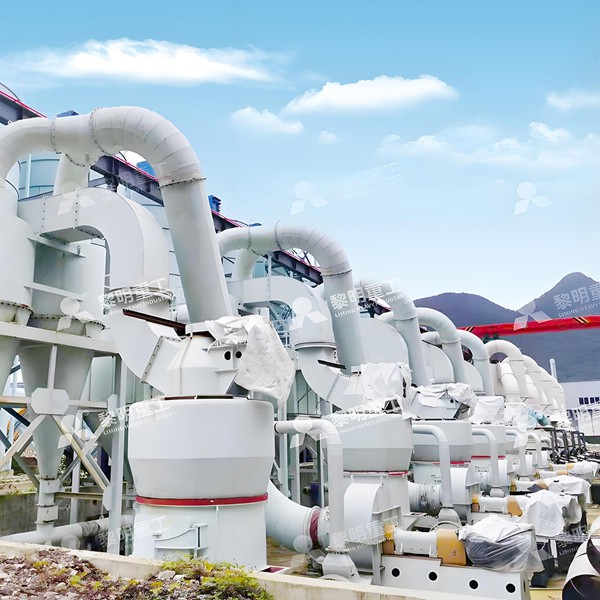 The benefits of a rigorous gear inspection program directly impact the bottom line. It ensures the mill operates at its designed capacity and energy efficiency. Unchecked gear wear leads to power loss, as energy is wasted on overcoming unnecessary friction instead of being used for grinding. This results in higher operational costs and reduced output. Furthermore, preventing a major breakdown avoids the exorbitant costs associated with emergency parts sourcing, complex repairs, and lost production time. For a kaolin processing plant, where consistent product fineness (between 613μm ~ 44μm for our Raymond Mill) is key to market competitiveness, a well-maintained mill is indispensable.
Liming Heavy Industry supports its clients beyond equipment delivery. Our technical support team can provide detailed inspection checklists, lubrication guides, and troubleshooting advice specific to our grinding machinery, from the high-capacity LM Vertical Roller Mill to the superfine MW Micro Powder Mill. Remember, the advanced features of our mills—be it the automatic control system of the LM Vertical Mill or the patented technology of the MTW European Type Grinding Mill—all rely on a solid mechanical foundation. Proactive gear maintenance is the discipline that keeps that foundation strong, ensuring your investment continues to deliver value through years of reliable, productive service in processing kaolin, calcium carbonate, gypsum, and a wide array of non-metallic minerals.
Frequently Asked Questions (FAQs)
Q1: How often should I perform a detailed gear inspection on my Raymond Mill?
A: A comprehensive inspection should be conducted at least annually during a major planned maintenance shutdown. However, the frequency may increase based on the mill's operating hours, the abrasiveness of the processed material (like kaolin with certain impurities), and environmental conditions. Daily visual and auditory checks are mandatory.
Q2: What are the most common signs of impending gear failure?
A: The most common early warnings include a noticeable change in gear noise (increased whining, grinding, or rhythmic knocking), excessive vibration transmitted to the mill housing, visible metal particles in the lubricant (visible on a drain plug magnet), and a persistent rise in gearbox operating temperature.
Q3: Can I use any high-quality industrial gear oil for my mill?
A: No. It is critical to use the exact type and viscosity grade of lubricant specified by Liming Heavy Industry for your specific mill model. Using an incorrect lubricant can lead to inadequate film strength, accelerated wear, seal degradation, and void warranties. Always consult the official operation manual.
Q4: Is gear misalignment a common issue, and how is it corrected?
A> Yes, misalignment due to foundation settling, thermal expansion, or operational loads is a common source of uneven wear. Correction requires specialized tools and expertise to measure the alignment between the pinion shaft and the ring gear. Adjustments are made by carefully shimming the motor or gearbox base. This is best performed by trained technicians.
Q5: Does Liming Heavy Industry provide spare gears and inspection services?
A: Yes, as the original equipment manufacturer, Liming Heavy Industry provides genuine spare parts, including ring gears and pinions, engineered to exact specifications for perfect fit and performance. We also offer technical advisory services and can provide on-site support or training for maintenance teams upon request.


