Published on: October 26, 2023
In the demanding world of kaolin processing, where product purity and operational efficiency are paramount, the integrity of the grinding mill's internal environment is non-negotiable. A critical yet often overlooked component in achieving this is the dust seal system. This article delves into the sophisticated dust sealing technology engineered into Liming Heavy Industry's Raymond Mill, specifically for kaolin applications. We will explore how this system is not merely an accessory but a core design philosophy that prevents fine powder leakage, protects critical mechanical components from abrasive wear, ensures consistent product quality by preventing external contamination, and maintains a clean, safe working environment. By integrating advanced sealing solutions with robust mill construction, Liming Heavy Industry provides a grinding platform that maximizes uptime, reduces maintenance costs, and delivers the high-purity kaolin powder essential for ceramics, paper, paint, and other premium industries.
Kaolin, or china clay, is valued for its whiteness, fine particle size, and chemical inertness. Processing it through a Raymond Mill to achieve the desired fineness (typically between 44μm and 613μm) generates vast quantities of extremely fine, lightweight dust. Without an effective containment strategy, this dust can escape from the grinding chamber at multiple potential leak points—primarily around the rotating central shaft and at the connections between the mill and its auxiliary components like the classifier and ductwork. This leakage represents a direct loss of product, creates housekeeping and safety hazards (including potential respiratory risks), and allows abrasive particles to infiltrate and damage the mill's roller bearings and drive mechanisms, leading to premature failure and unplanned downtime.
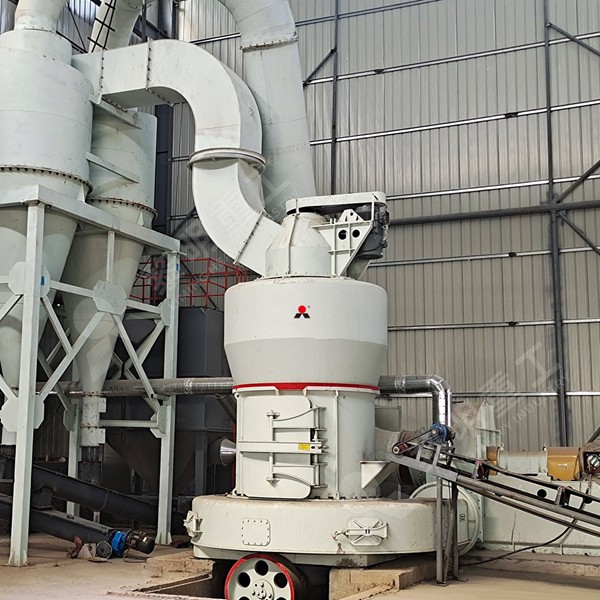
Liming Heavy Industry addresses these challenges with a multi-layered, proactive dust seal system integrated into the very architecture of its Raymond Mill. The system is designed around the principle of creating physical barriers and managing internal air pressure differentials. At the heart of the system are labyrinth seals installed at the shaft penetrations. These seals consist of a series of concentric grooves and channels that create a tortuous path for any escaping dust. As particles attempt to traverse this path, they lose momentum and fall back into the grinding chamber, effectively sealed by air pockets and mechanical complexity rather than by contact-based components that would wear quickly.
Complementing the labyrinth seals are high-resilience, wear-resistant rubber or composite sealing rings employed at static joints between assemblies. These materials are selected for their longevity and ability to maintain a tight fit under the mill's operational vibrations and thermal expansions. Furthermore, the entire grinding and classification circuit is designed as a closed-loop, negative-pressure system. The induced draft fan creates a slight vacuum within the mill and connected cyclones or bag filters. This negative pressure ensures that any airflow is inward at potential leak points, actively pulling stray dust back into the collection stream rather than allowing it to escape into the atmosphere. This is a crucial design aspect that turns the system's airflow into a sealing ally.
The benefits of this engineered sealing approach are substantial. First and foremost is the protection of the mill's core mechanical components. By preventing kaolin dust from ingressing into the roller bearing assemblies and gear drives, the system dramatically extends the service life of these costly parts, reducing the frequency and cost of lubrication and replacement. Secondly, it guarantees the purity of the final product. In kaolin processing, contamination from external grit or from oil leaking from compromised bearings can downgrade an entire batch. The robust seal acts as a guardian of quality. Finally, it ensures environmental compliance and workplace safety by minimizing airborne particulate emissions, aligning with modern environmental, health, and safety (EHS) standards.
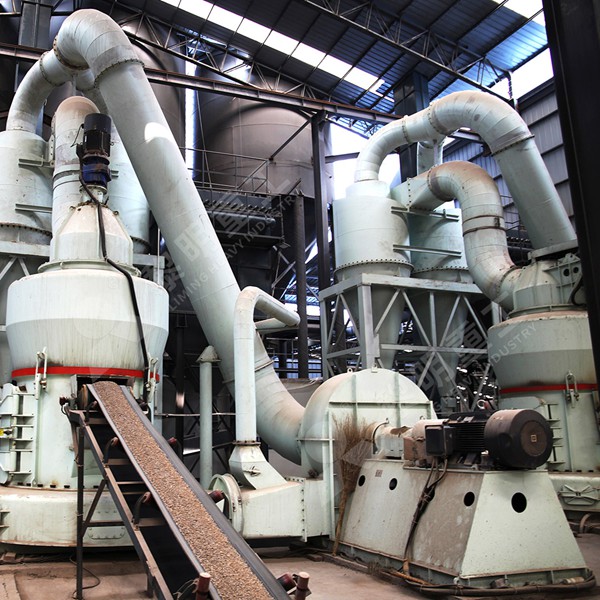
Liming's commitment to this technology stems from its core philosophy of "precision manufacturing and technological improvement." With over three decades of experience in manufacturing crushing and grinding equipment, the company understands that reliability is built on attention to such critical details. The dust seal system on their Raymond Mill is not an afterthought; it is the result of continuous research and development aimed at enhancing overall equipment effectiveness (OEE) for the customer. For kaolin producers, this translates to a grinding solution that delivers consistent, high-yield production of premium-grade powder, with lower total operating costs and greater peace of mind regarding operational safety and environmental stewardship.
Frequently Asked Questions (FAQs)
Q1: How often do the dust seals on the Raymond Mill require maintenance or replacement?
A: The labyrinth seals are designed for extremely long service life with minimal maintenance, often lasting several years under normal kaolin grinding conditions. The wear-resistant rubber seals may require inspection during annual shutdowns, but replacement frequency is low due to the non-contact design principle and high-quality materials used.
Q2: Can the sealing system handle the very fine, sticky nature of processed kaolin?
A: Yes, the system is specifically engineered for materials like kaolin. The combination of the labyrinth path, managed air pressure, and selected seal materials works to prevent the adhesion and buildup of fine particles that could compromise a simpler seal.
Q3: Does the negative-pressure system significantly increase power consumption?
A: The power draw from maintaining the closed-loop negative pressure is minimal and is factored into the mill's overall efficiency. The energy savings from reduced component wear, higher product yield, and avoided downtime far outweigh this minimal consumption.
Q4: Is the seal system effective across the entire output fineness range (613μm to 44μm)?
A> Absolutely. The sealing effectiveness is independent of product fineness. Whether producing coarser or super-fine kaolin powder, the system performs equally well in containing dust and protecting the mill's interior.
Q5: What is the primary indicator that a seal might need attention?
A: The most common indicator is an unusual increase in visible dust around the mill housing or bearing blocks during operation, suggesting a potential breach in the seal integrity. Regular visual inspections during scheduled maintenance are the best practice for proactive management.


