Published: October 26, 2023
Effective feed rate control is a critical operational parameter for maximizing the efficiency, product consistency, and longevity of Raymond Mills processing kaolin. As a leading manufacturer of grinding equipment, Liming Heavy Industry emphasizes that precise regulation of material input directly influences fineness, throughput, energy consumption, and system stability. This article explores the importance of feed rate control in kaolin milling, detailing the principles, challenges, and advanced solutions integrated into Liming's Raymond Mill systems to ensure optimal performance in non-metallic mineral processing applications.
Kaolin, a soft white clay mineral, demands careful handling during size reduction to preserve its physical properties and achieve the desired particle size distribution for applications in paper, ceramics, paints, and polymers. The traditional Raymond Mill, a cornerstone of industrial grinding, operates on a pendulum-roller principle where material is ground between rotating rollers and a stationary ring. The feed rate—the speed and volume at which raw kaolin is introduced into the grinding chamber—acts as the primary variable balancing mill load, airflow, and classification efficiency. An uncontrolled or inconsistent feed can lead to product quality fluctuations, increased specific energy consumption, and potential equipment overload.
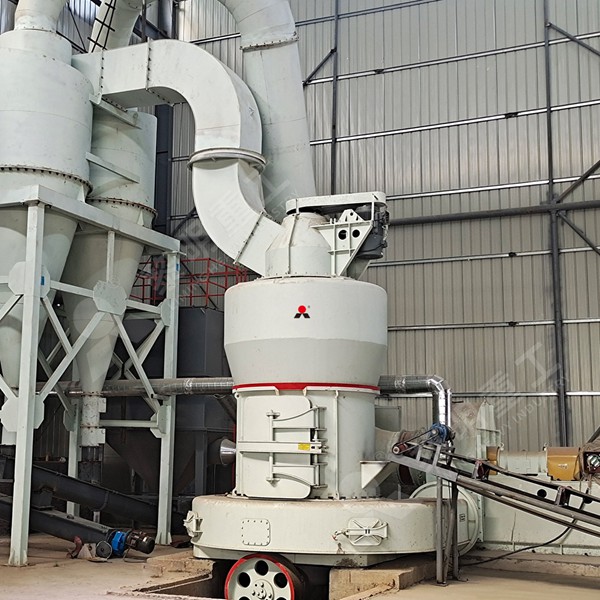
Liming Heavy Industry's Raymond Mill design incorporates a sophisticated, automated feed control system to address these challenges. At the heart of this system is a variable-frequency drive (VFD) belt feeder or vibrating feeder, which receives pre-crushed kaolin from the upstream crusher. This feeder is not a simple conveyor; it is an intelligent component synchronized with the mill's main motor power and the internal negative pressure. Sensors continuously monitor the amperage draw of the grinding roller motor. If the feed rate is too high, the motor load increases, risking tripping and excessive wear. Conversely, a feed rate that is too low leads to roller-to-ring contact, causing metal-on-metal wear and generating excessive, unwanted heat. The control system automatically adjusts the feeder speed to maintain the motor load within an optimal, pre-set range, ensuring stable grinding conditions.
This automation extends to the entire milling circuit. The ground kaolin is carried by airflow to an integrated high-efficiency separator or classifier. The fineness target (typically between 44μm and 613μm for kaolin) is set at the classifier. The feed rate control system works in tandem with the classifier's speed regulation. A consistent, optimal feed rate ensures a steady material-air mixture entering the classifier, allowing for more precise particle size separation and a stable, in-spec product. This closed-loop process is a hallmark of modern Raymond Mills from Liming, transforming the mill from a simple grinder into an intelligent powder processing station.
The benefits of precise feed rate control are substantial. First, it guarantees consistent product quality, which is paramount for kaolin sold as a functional filler where particle size distribution affects opacity, viscosity, and brightness. Second, it optimizes energy efficiency by preventing the mill from operating under-loaded or over-loaded states, both of which waste power. Third, it reduces mechanical wear on grinding rollers, rings, and other critical parts, significantly lowering maintenance costs and extending the operational lifespan of the equipment. For plant managers, this translates to higher availability, predictable output, and a better return on investment.
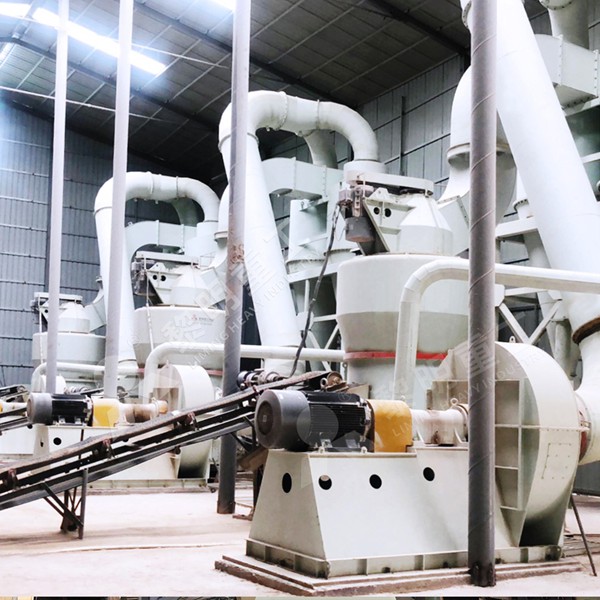
Implementing effective control requires more than just good hardware; it demands an understanding of the material characteristics. The moisture content and initial size of the feed kaolin are crucial factors. Liming's systems often include pre-drying capabilities and insist on proper primary crushing to a recommended input size (e.g., 15-25mm) to ensure the feeder can meter material evenly and the grinding chamber can handle it efficiently. Our technical support team works closely with clients to establish the correct control parameters during commissioning, tailoring the system's response to the specific properties of the client's kaolin deposit.
In conclusion, mastering feed rate control is synonymous with mastering kaolin milling productivity. Liming Heavy Industry, with over three decades of experience in manufacturing and innovating grinding equipment like the Raymond Mill, integrates automated, sensor-driven feed control as a standard feature for a reason. It transforms a fundamental process variable into a lever for achieving superior product quality, operational economy, and equipment durability. For any operation focused on kaolin or similar non-metallic minerals, investing in a mill with intelligent feed management is a strategic decision for long-term, competitive powder production.
Frequently Asked Questions (FAQ)
- What are the main consequences of an incorrect feed rate in a Kaolin Raymond Mill?
An excessively high feed rate can overload the main motor, cause poor grinding, increase fineness fluctuation, and potentially block the system. A feed rate that is too low leads to direct metal contact between rollers and the grinding ring, causing rapid wear, spark generation (a fire risk with some materials), and inefficient energy use. - How does the feed rate relate to the final product fineness?
The feed rate and classifier speed are interdependent. A stable, optimal feed rate provides a consistent density of material in the air stream going to the classifier. This allows the classifier to make a clean, precise separation of fine and coarse particles, resulting in a tight and consistent fineness distribution. An erratic feed causes the classifier efficiency to drop, letting coarse particles into the final product or recycling too many fines. - Can the automatic feed control system handle variations in raw material moisture?
Yes, to a significant degree. The system primarily responds to motor load. If wetter, stickier kaolin enters, it may cause a temporary load increase. The control system will reduce the feeder speed to compensate. However, for major moisture variations, the integrated drying function of the mill (if equipped) or a separate dryer should be used to precondition the feed to a consistent moisture level (typically below 6%) for optimal control. - Is manual feed rate adjustment still possible with automated systems?
Absolutely. Liming's control systems typically offer multiple operational modes: fully automatic, semi-automatic (where operators set a fixed feeder speed), and manual. Manual control is useful during startup, shutdown, or specific troubleshooting procedures, but automatic mode is recommended for normal production to maintain consistency. - What maintenance is required for the feed control system components?
Regular inspection and cleaning of the feeder (belt or vibratory tray) to prevent material buildup is essential. The variable-frequency drive and motor should be kept clean and cool. Sensor connections and calibrations should be checked periodically as part of routine maintenance to ensure the feedback loop to the control system remains accurate and reliable.


