Published on: October 26, 2023
LIMING HEAVY INDUSTRY CO., LTD. introduces a significant advancement in fine powder processing: a specialized Raymond Mill configuration engineered specifically for kaolin, featuring durable ceramic roller sleeves. This innovation represents a synthesis of our decades-long expertise in grinding technology and a focused response to the unique challenges of processing non-metallic minerals like kaolin. By integrating wear-resistant ceramic components into the proven Raymond Mill framework, this solution delivers enhanced longevity, consistent product fineness between 44μm and 613μm, and improved operational stability for applications ranging from ceramics and paper coating to paints and polymers. It embodies our corporate philosophy of tackling key technological problems through scientific research and precision manufacturing, offering a reliable, efficient, and modern grinding system for high-value mineral processing.
Since its founding in 1987, LIMING HEAVY INDUSTRY has evolved from a domestic machinery manufacturer into a leader in the global crushing and grinding equipment sector. Our journey, anchored in the HI-TECH Industry Development Zone of Zhengzhou, has been defined by a relentless pursuit of innovation under the guiding principle of "scientific research tackling key problems." This kaolin-optimized Raymond Mill is a direct product of that ethos. It is not merely an iteration but a targeted engineering solution. Kaolin, or china clay, demands a grinding process that preserves its brightness, particle shape, and chemical purity. Traditional metal grinding components can introduce contaminating wear debris and suffer from rapid degradation when processing abrasive materials, leading to downtime and product inconsistency.
The core of this advancement lies in the application of high-performance ceramic sleeves for the grinding rollers. 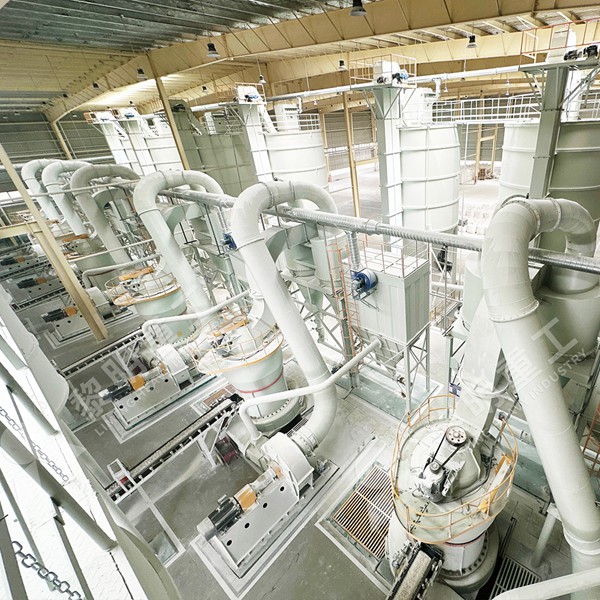 These sleeves are engineered from advanced ceramic composites known for exceptional hardness and wear resistance, far surpassing traditional alloy steels. In the grinding chamber, where rollers rotate against a stationary ring to crush and grind the fed kaolin, this ceramic surface dramatically reduces the wear rate. This translates directly to extended maintenance intervals, reduced risk of metallic contamination in the final kaolin powder, and remarkable stability in the particle size distribution over the mill's operational life. The mill maintains its ability to produce fine powders tailored to user requirements, from coarse fillers to ultra-fine coatings, without the performance drift associated with wearing metal parts.
Beyond the ceramic rollers, this Raymond Mill inherits the robust, reliable design principles that have made the system a global standard for medium-fine grinding. The system operates as an efficient, closed-circuit air-swept grinding loop. Kaolin feedstock, crushed to a size below 25mm, is uniformly fed via a vibrating feeder into the grinding zone. The rotating ceramic rollers exert centrifugal force, crushing the material against the grinding ring. The finely ground particles are carried upward by the airflow generated by an integrated blower into a high-efficiency separator. Oversized particles are rejected and returned for regrinding, ensuring precise classification, while the on-spec powder is conveyed to a pulse-jet dust collector for product recovery. This closed-loop system is not only efficient but also designed with environmental stewardship in mind, containing dust and meeting stringent emission standards.
The operational benefits are substantial for kaolin processors. The enhanced durability of the ceramic components leads to a lower total cost of ownership despite a higher initial investment in the technology. Processors achieve greater uptime, more consistent product quality crucial for high-end applications, and reduced energy consumption per ton of output due to the sustained optimal geometry of the grinding elements. 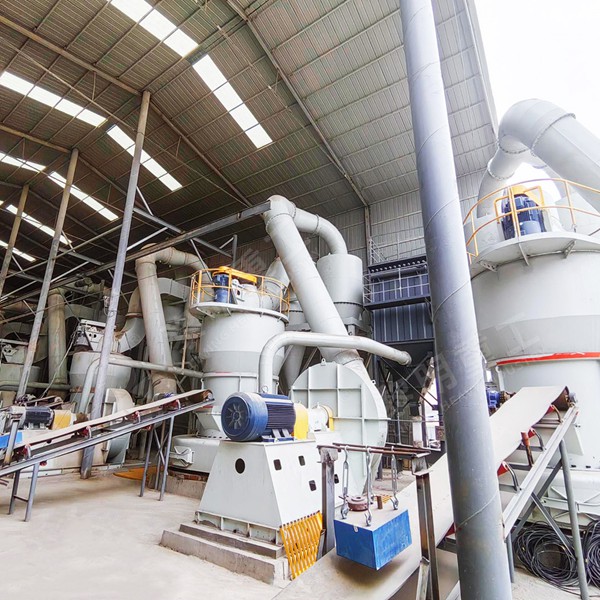 This mill is particularly suited for the non-flammable, non-explosive conditions typical of kaolin processing, handling materials with humidity below 6% and Mohs hardness under 7. Its capacity range makes it ideal for dedicated kaolin processing lines, working in concert with crushers, dryers, and conveying systems to form a complete, modern powder production plant.
At LIMING HEAVY INDUSTRY, this product development was spearheaded by our mature scientific research team, aiming squarely at the technological frontier of industrial mineral processing. It reflects our integrated approach of "production, learning and research." By focusing on the core competitiveness of our products—in this case, durability and purity for kaolin grinding—we continue to fulfill our mission of providing the global market with advanced, reliable, and environmentally sound machinery. The Kaolin Raymond Mill with Ceramic Roller Sleeves stands as a testament to our commitment to pioneering innovation, precision manufacturing, and providing tangible solutions that drive progress in the industries we serve.
Frequently Asked Questions (FAQ)
1. What is the primary advantage of using ceramic roller sleeves instead of traditional metal ones in a Raymond Mill for kaolin?
The primary advantages are dramatically increased wear resistance, which extends component life and maintenance cycles, and the virtual elimination of metallic contamination in the final kaolin powder, crucial for preserving product brightness and purity in high-value applications.
2. Can this specialized mill process materials other than kaolin?
Yes. While optimized for kaolin, this mill configuration is highly effective for grinding other non-abrasive to moderately abrasive non-metallic minerals under 7 Mohs hardness, such as calcite, gypsum, talc, and limestone, where wear resistance and product purity are priorities.
3. How does the closed-circuit grinding system contribute to efficiency?
The closed-circuit system, with its integrated separator and recycling airflow, ensures that only particles meeting the target fineness leave the grinding loop. Oversized particles are continuously recirculated for further grinding, which optimizes energy use, maximizes throughput, and provides precise control over the final product's particle size distribution.
4. What is the typical fineness range achievable with this mill for kaolin?
The mill can produce kaolin powder with a fineness ranging from approximately 44 microns (325 mesh) up to 613 microns (30 mesh). The exact fineness is adjustable via the integrated separator speed or classifier settings to meet specific customer requirements.
5. Does LIMING HEAVY INDUSTRY provide support for integrating this mill into a complete processing line?
Absolutely. As a full-service manufacturer with research, manufacturing, and sales capabilities, we offer comprehensive technical support. This includes assistance with system design, layout planning for ancillary equipment like crushers and collectors, installation guidance, and operational training to ensure optimal performance of the entire grinding plant.


