Published: October 26, 2023
As a leading global manufacturer in the mineral processing equipment industry, Liming Heavy Industry Co., Ltd. provides a comprehensive portfolio of high-performance grinding solutions specifically engineered for limestone powder production. With over three decades of expertise in research, development, and precision manufacturing, the company offers a range of mills—from the high-capacity LM Vertical Roller Mill to the superfine MW Micro Powder Mill—designed to meet diverse fineness requirements, operational scales, and application needs across cement, power plant desulfurization, construction materials, and chemical sectors. This article delves into the technical specifications, working principles, and strategic advantages of Liming's core grinding systems, highlighting their commitment to innovation, energy efficiency, and sustainable industrial processing.
Liming Heavy Industry, established in 1987, has evolved into a modern joint-stock corporation integrating R&D, manufacturing, and sales. Headquartered in the HI-TECH Industry Development Zone of Zhengzhou, with an additional workshop in Shangjie Industry Park, the company's combined facilities span over 147,000 square meters. This extensive infrastructure supports a scientific management system focused on technological advancement and product competitiveness. For limestone processing—a critical material in construction, environmental protection (e.g., flue gas desulfurization), and industrial fillers—Liming’s equipment lineup ensures optimal particle size distribution, system stability, and operational economy.
The LM Vertical Roller Mill stands out for large-scale projects requiring integrated drying and grinding. Its design consolidates drying, grinding, powder selection, and conveying into a single unit, significantly reducing auxiliary equipment needs and floor space. With a capacity range of 10–400 T/H and handling feed sizes up to 55mm, it is particularly suited for non-metallic minerals, coal, and slag, including limestone. The mill’s automatic electric control system allows precise adjustment of grinding parameters, ensuring consistent product quality while lowering energy consumption per ton of output.
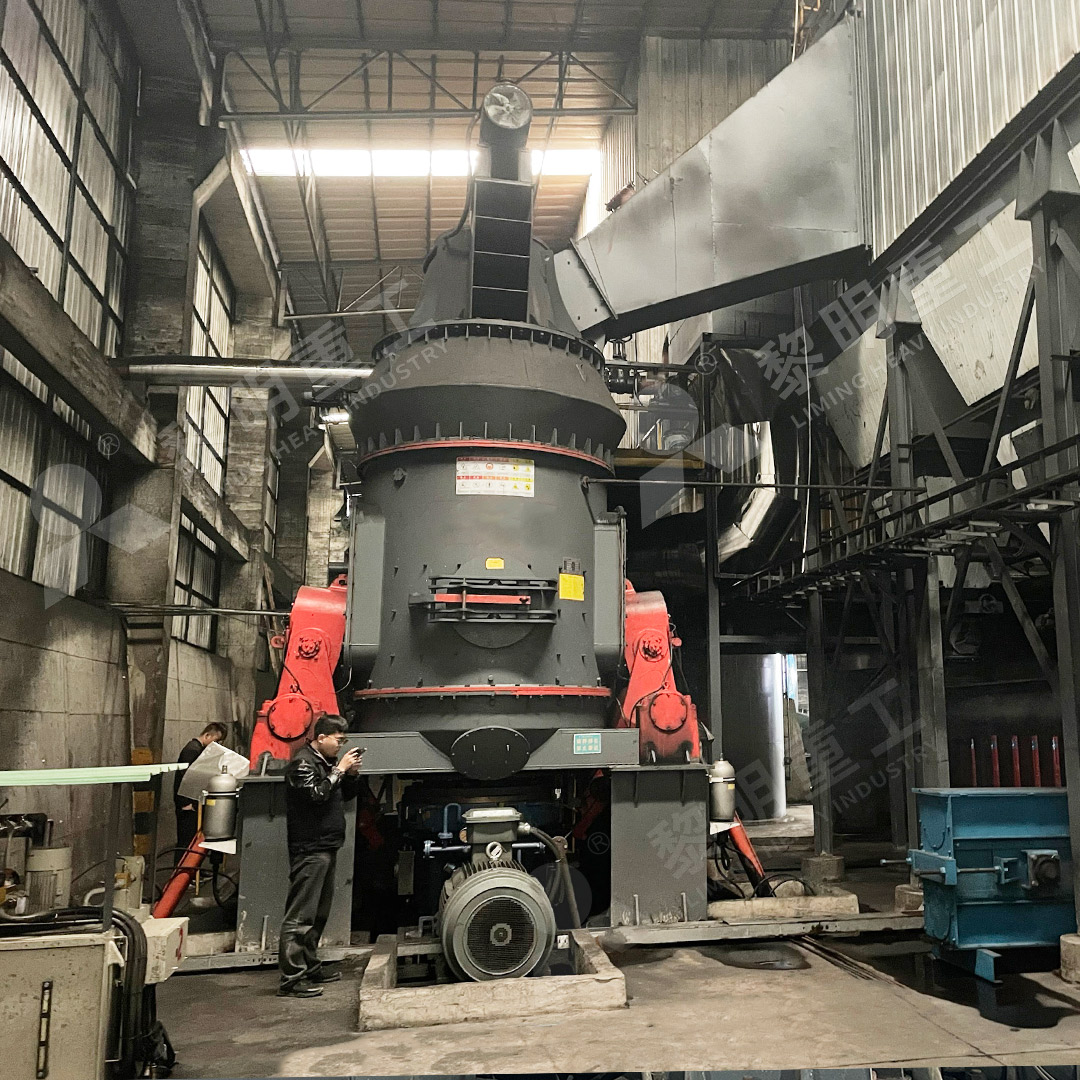
For medium-fineness applications, the classic Raymond Mill remains a reliable workhorse. Capable of processing non-flammable, non-explosive materials with hardness under 7 Mohs and humidity below 6%, it produces powder between 613μm and 44μm. This mill is widely adopted in calcium carbonate and gypsum processing, as well as power plant desulfurization. Its simple operation, durability, and ease of maintenance make it a preferred choice for many limestone powder producers seeking cost-effective solutions with capacities of 1.2–4.5 T/H.
Advancing traditional pendulum mill technology, the MTW European Type Grinding Mill incorporates patented innovations for enhanced productivity and environmental performance. Designed for limestone desulfurization and heavy calcium carbonate production, it operates within a capacity range of 3–55 TPH. The system features a closed-loop airflow design with a pulse dust collector, minimizing dust emissions and ensuring compliance with environmental standards. Its working principle involves grinding between rings and rollers, with a separator recycling coarse particles for regrinding, thereby optimizing particle size uniformity and system efficiency.
When ultra-fine limestone powder is required (e.g., for high-grade plastics, paints, or advanced composites), the MW Micro Powder Mill delivers exceptional results. Leveraging advanced Swedish grinding technology, it achieves fineness up to d97 ≤ 5μm (adjustable between 325–3250 mesh). The mill’s medium-speed micro-grinding mechanism, coupled with a pulse precipitator, ensures green production with minimal noise and dust. With capacities from 0.5 to 25 T/H, it is ideal for specialized applications demanding precise superfine powder characteristics.
For traditional wet or dry grinding, the Ball Mill offers versatility across a broad spectrum of materials, including limestone. As a key equipment for milling after crushing, it handles feed sizes ≤25mm and capacities up to 50 T/H. Its horizontal rotating chamber with ladder liners and steel balls utilizes centrifugal force to impact and grind materials. Widely used in cement, beneficiation, and chemical industries, the ball mill remains a fundamental solution for producers seeking robust, long-term performance with relatively simple maintenance requirements.
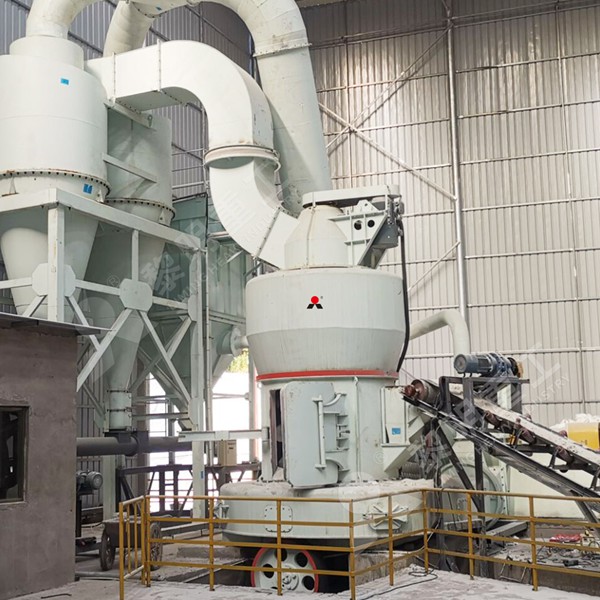
Liming’s engineering philosophy emphasizes “scientific research tackling key problems” and “production, learning, and research.” This approach is evident in the continuous upgrades applied to each mill series, focusing on automation, energy savings, and reduced carbon footprint. For limestone powder producers, selecting the appropriate grinding equipment involves evaluating raw material properties (hardness, moisture, feed size), desired fineness, production scale, and site-specific constraints. Liming’s technical team supports clients through tailored system design, ensuring optimal integration of crushers, feeders, separators, and dust collection components.
In summary, Liming Heavy Industry provides a technologically diverse and scalable suite of limestone grinding equipment, backed by decades of manufacturing excellence and a commitment to innovation. From coarse grinding for construction aggregates to superfine powders for specialty industries, their solutions balance performance, reliability, and sustainability, reinforcing the company’s leadership in global machinery manufacturing.
Frequently Asked Questions (FAQs)
- What factors should I consider when choosing a limestone grinding mill?
Key factors include the hardness and moisture content of the limestone, required production capacity (TPH), target fineness (mesh or micron size), available space, energy efficiency goals, and whether integrated drying is needed. Liming's engineers can help analyze these parameters to recommend the most suitable mill type. - How does the LM Vertical Roller Mill achieve energy savings compared to traditional ball mills?
The LM mill integrates multiple processes (drying, grinding, separation) into one unit, reducing power losses from auxiliary equipment. Its grinding mechanism applies pressure directly to the material bed rather than relying solely on impact, which lowers specific energy consumption per ton of product. - Can your grinding equipment handle wet or sticky limestone?
Yes, the LM Vertical Roller Mill and certain configurations of other mills can incorporate hot air drying systems to handle materials with higher moisture content, preventing clogging and ensuring stable operation. - What dust control measures are incorporated into your grinding systems?
All systems are designed with closed-loop airflow and equipped with high-efficiency pulse jet dust collectors (bag filters) or electrostatic precipitators. This ensures particulate emissions meet international environmental standards and maintains a clean working environment. - Do you provide after-sales support and spare parts for your grinding equipment?
Liming offers comprehensive after-sales services, including installation supervision, operator training, maintenance guidance, and a global supply network for genuine spare parts to ensure long-term equipment reliability and minimal downtime.


