Published: October 26, 2023
In modern industrial milling operations, particularly those utilizing Raymond Mill technology, an efficient and reliable powder collecting system is not merely an accessory but a critical component for operational success. It directly impacts product yield, system energy consumption, plant cleanliness, and environmental compliance. This article explores the integral role of powder collectors within grinding circuits, detailing their working principles, technological advancements, and the specific solutions developed by LIMING HEAVY INDUSTRY to optimize the performance of their renowned Raymond Mill and other grinding equipment. By integrating high-efficiency collection with the milling process, these systems ensure maximum material recovery, protect downstream equipment, and maintain a safe, dust-free working environment.
The core function of a powder collecting system in a Raymond Mill circuit is to separate the fine finished product from the conveying air stream. In a typical LIMING system, the ground material is pneumatically transported from the grinding chamber to a classifier or separator. Here, particles meeting the desired fineness specification pass through, while coarser particles are rejected back to the mill for further grinding. The air carrying the fine powder then enters the collection stage. Modern systems, such as those employed by LIMING, predominantly use pulse-jet baghouse dust collectors. These units feature rows of filter bags that capture the ultrafine powder while allowing clean air to pass through. At programmed intervals, short, high-pressure bursts of air (pulses) are directed into the bags, dislodging the accumulated powder layer into a hopper below. This automated cleaning mechanism ensures consistent low pressure drop across the filters, which translates to stable system airflow and minimal energy waste on the main blower.
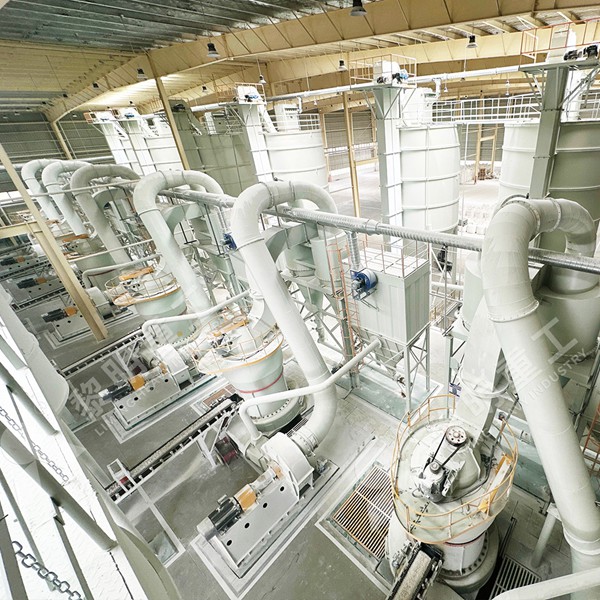
LIMING HEAVY INDUSTRY designs its powder collection systems as seamless extensions of the grinding mill itself. For their Raymond Mill, which is suitable for processing non-flammable, non-explosive materials with Mohs hardness below 7 and humidity under 6%, the collector is precisely sized to match the mill's capacity and the material's characteristics. The choice of filter media—often specialized polyester or nomex felt—is crucial for handling materials ranging from calcium carbonate and gypsum to various non-metallic ores used in power plant desulfurization or pulverized coal preparation. The company's philosophy of "scientific research tackling key problems" is evident here; their R&D team focuses on optimizing the air-to-cloth ratio (the amount of air filtered per unit area of fabric) and the pulse cleaning sequence to prevent powder packing or bridging in the hopper, ensuring a continuous, uninterrupted flow of collected product to the final packaging or processing stage.
Beyond basic collection, the system plays a vital role in creating a closed-circuit, negative-pressure operation. The main system fan, located typically after the collector, draws air through the entire circuit. Because the collector removes nearly all particulate matter, the cleaned air can often be recirculated back to the mill's inlet, especially in applications requiring drying. This closed loop minimizes heat loss, improves thermal efficiency for drying, and utterly eliminates dust emissions to the atmosphere. This design is a direct reflection of LIMING's commitment to "environmental protection and energy saving," making their grinding plants compliant with stringent international environmental standards. The integrated electrical control cabinet manages not just the mill and feeder but also the collector's cleaning cycles and system pressure differentials, offering a fully automated and monitored operation.
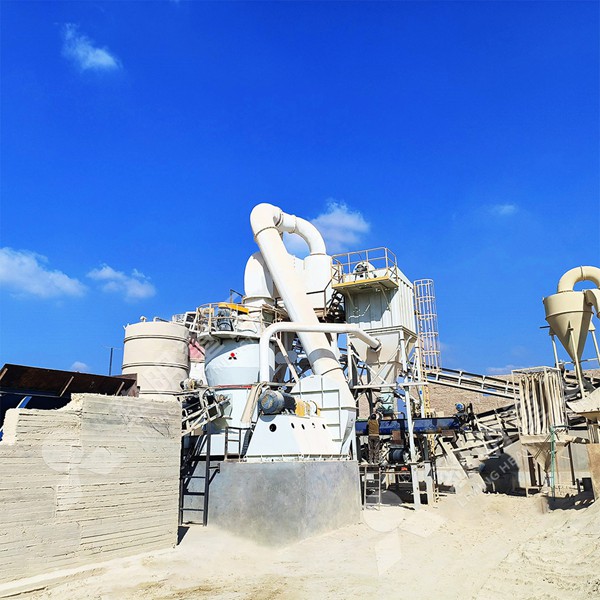
The benefits of a well-engineered powder collecting system are multifaceted. Product Yield Maximization: It captures product that would otherwise be lost, directly improving the plant's economic return. Equipment Protection: By removing abrasive dust, it prolongs the life of the system fan and other components. Operational Safety and Cleanliness: It maintains a dust-free environment, protecting worker health and reducing explosion risks in certain applications. Environmental Stewardship: It is the key component for achieving near-zero visible emissions, a critical requirement for any responsible modern industry. LIMING's expertise, honed over 30 years of "precision manufacturing" in crushing and grinding, ensures that their powder collection solutions are not afterthoughts but are co-engineered with the mill for optimal synergy. This holistic approach is applied across their product range, from the traditional Raymond Mill to the advanced MTW European Type Grinding Mill and the superfine MW Micro Powder Mill, each with a collector system tailored to its unique output fineness and volume.
In conclusion, the powder collecting system is the silent guardian of productivity and sustainability in Raymond Mill operations. LIMING HEAVY INDUSTRY's integrated design and manufacturing approach ensures that this critical subsystem delivers reliability, efficiency, and compliance. By investing in a complete grinding solution with an optimized collector, industries from chemicals and construction to mining and power generation can achieve cleaner production, higher product recovery, and a significantly reduced environmental footprint, aligning perfectly with global trends towards greener industrial processes.
Frequently Asked Questions (FAQs)
Q1: What is the main purpose of the powder collector in a Raymond Mill system?
A: Its primary purposes are to efficiently separate and collect the final fine powder product from the conveying air stream, to recycle cleaned air back into the system for energy efficiency, and to prevent any dust emissions, ensuring a clean plant and environmental compliance.
Q2: How does the pulse-jet cleaning mechanism work in a baghouse dust collector?
A: Compressed air is stored in a reservoir. At timed intervals, a pulse valve opens rapidly, sending a high-pressure burst of air down a blowpipe and into the filter bags. This shockwave expands the bags and dislodges the cake of collected powder, which falls into the hopper below, restoring the bag's filtering efficiency.
Q3: Can the same powder collector be used for different materials processed in the Raymond Mill?
A: While the core design may be similar, critical components like the filter bag material (e.g., anti-static, moisture-resistant, or high-temperature types) and safety features may need adjustment based on the material's properties (abrasiveness, hygroscopic nature, explosiveness). Consultation with the manufacturer like LIMING is essential for specific applications.
Q4: Does the collector system affect the fineness of the final product from the mill?
A: Indirectly, yes. A well-maintained collector with stable pressure drop ensures consistent system airflow. Since airflow is key to transporting and classifying powder in the Raymond Mill, a stable collector contributes directly to achieving a stable and consistent product fineness from the classifier.
Q5: What maintenance does a typical powder collecting system require?
A: Regular maintenance includes checking and replacing worn filter bags, inspecting solenoid valves and diaphragms for the pulse-jet system, ensuring the dust discharge mechanism (like rotary valves) is functioning correctly, and monitoring system pressure gauges for any abnormal increases that indicate a blockage or bag failure.


