Published on: October 26, 2023
For industries requiring consistent, high-volume processing of white limestone into fine powders, a dedicated Raymond grinding system represents the pinnacle of efficiency and reliability. This article explores the specialized engineering behind such systems, focusing on the technological advancements that ensure optimal particle size distribution, energy efficiency, and system longevity. We will examine the core components, working principles, and application-specific configurations that make these systems indispensable in modern mineral processing, drawing from the extensive research and manufacturing expertise of Liming Heavy Industry Co., Ltd., a leader in grinding technology for over three decades.
The processing of white limestone presents unique challenges and opportunities. Its widespread use as a filler in plastics, paints, and coatings, as a key ingredient in cement and construction materials, and in environmental applications like flue gas desulfurization demands a grinding solution that can deliver precise fineness with consistent quality. A Raymond-type grinding system, specifically engineered for non-metallic minerals like limestone, is designed to meet these rigorous demands. The system's success hinges on a synergistic integration of crushing, grinding, classifying, and collecting components, each optimized for the material's specific hardness (typically under 7 Mohs) and moisture content.
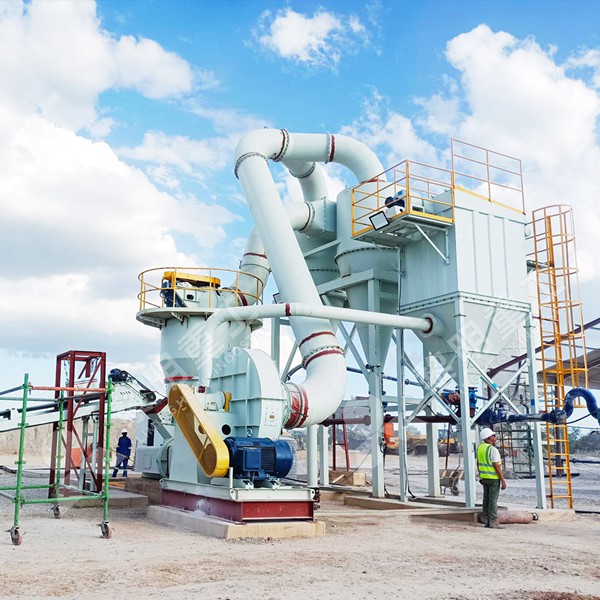
At the heart of the system lies the grinding mill itself. Modern iterations, such as the upgraded MTW European Type Trapezium Mill, have evolved significantly from traditional designs. They incorporate patented technologies that enhance stability and productivity. The core grinding action occurs between the grinding rollers and the stationary ring. Bulk white limestone, initially reduced to a feed size of 15-50mm by a jaw crusher, is fed uniformly into the grinding chamber via a vibrating feeder. The rollers, driven by a central shaft, exert centrifugal force against the ring, pulverizing the material through a combination of compression and shear forces. The fineness of the final product is critically controlled by an integrated high-efficiency separator. As the ground powder is carried upward by the airflow, the separator allows only particles meeting the target fineness (typically adjustable between 44μm to 613μm, or even finer with advanced systems) to pass through to the collection stage. Oversized particles are rejected back to the grinding zone for further milling, ensuring a narrow particle size distribution.
System design extends far beyond the mill. A complete white limestone Raymond grinding system is a closed-circuit, negative-pressure operation. A high-pressure blower generates the necessary airflow, which circulates through the entire loop, carrying the powder and facilitating drying if the feed material has slight moisture. The powdered product is then separated from the airstream using high-efficiency cyclone collectors and baghouse dust collectors equipped with pulse-jet cleaning mechanisms. This not only ensures a high product recovery rate but also guarantees that the exhaust meets stringent environmental protection standards, a non-negotiable aspect of modern industrial operations. The entire process is managed by an automatic electric control system, allowing for centralized monitoring of motor loads, temperatures, and pressures, enabling stable, continuous operation with minimal manual intervention.
The advantages of a dedicated system are manifold. For white limestone, achieving a bright, uncontaminated final product is paramount. The closed-system design and efficient dust collection prevent environmental contamination and product loss. Furthermore, advancements in wear-part materials for rollers and rings, often using high-chromium or ceramic composites, significantly extend service life when processing moderately abrasive materials like limestone, reducing maintenance downtime and operational costs. Energy consumption is a major consideration, and contemporary systems focus on optimizing grinding efficiency through improved mechanical design and airflow dynamics, directly lowering the cost per ton of produced powder.
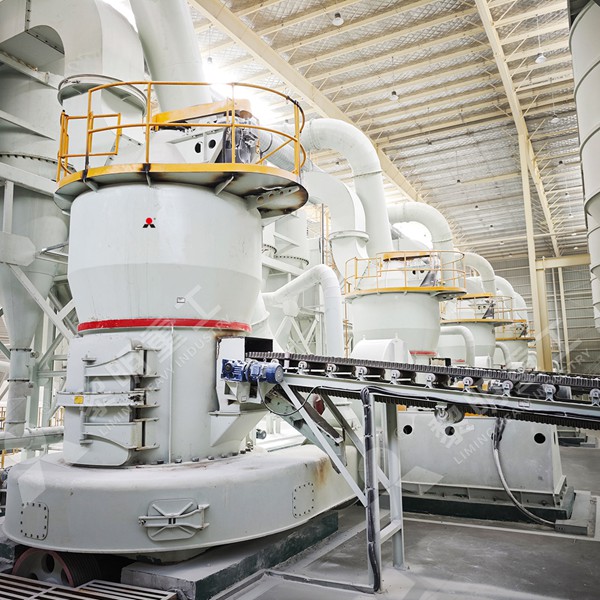
Selecting the appropriate configuration depends on the desired capacity and final product specifications. For high-capacity requirements (e.g., 10-400 T/H) in large-scale industrial projects like power plant desulfurization or cement raw meal preparation, a vertical roller mill (LM series) might be integrated for its massive throughput. For dedicated fine powder production lines (1.2-55 T/H) targeting fillers for plastics or paints, the Raymond Mill or MTW European Mill forms the core. For superfine applications requiring powders down to 5μm (d97), a micro powder grinding mill (MW series) leveraging advanced grinding technology becomes the tool of choice. Liming Heavy Industry's approach involves tailoring the system from its portfolio of crushers, mills, classifiers, and collectors to create a seamless, turnkey solution that maximizes the value of white limestone resources.
In conclusion, a modern Raymond grinding system for white limestone is a testament to precision engineering and integrated process design. It transforms a raw mineral into a highly valued commodity through a controlled, efficient, and clean process. By leveraging decades of experience in crushing and grinding equipment manufacturing, companies can provide robust, reliable systems that form the backbone of numerous industries, ensuring that the fundamental properties of white limestone—its whiteness, purity, and fineness—are preserved and enhanced from quarry to final application.
Frequently Asked Questions (FAQs)
- What is the typical moisture content limit for white limestone processed in a Raymond grinding system?
The system is best suited for materials with moisture content less than 6%. For limestone with higher inherent moisture, integrated drying functions using hot air from a dedicated furnace or waste heat source can be incorporated into the system design. - How is the fineness of the final limestone powder controlled and adjusted?
Fineness is primarily controlled by the speed of the classifier inside the separator. By adjusting the rotational speed of the classifier blades, the cut-point for particle size is changed, allowing operators to produce powder within a specific micron range without stopping the mill. - What are the key wear parts in the system, and what is their typical service life?
The grinding rollers and grinding ring are the primary wear parts. Their service life depends on the abrasiveness of the limestone and the material they are made from (e.g., high-chromium alloy). Under normal conditions processing standard white limestone, they can last for several thousand hours of operation before requiring replacement or rebuilding. - Can the system handle other calcium-based materials besides white limestone?
Yes. The system is highly versatile and can process other non-explosive, non-flammable minerals with similar hardness, such as calcite, marble, chalk, and dolomite. The system configuration might be slightly tuned for optimal performance with each specific material. - What level of automation can be expected with a modern grinding system?
Modern systems feature comprehensive PLC-based automation. This includes automatic start-up and shutdown sequences, continuous monitoring of motor amperage and bearing temperature, automatic lubrication, and remote monitoring capabilities. The control system ensures stable operation and provides early warnings for potential issues.


