Published: October 26, 2023
In the evolving landscape of mineral processing, achieving precise particle size distribution and consistent quality in limestone powder production is paramount. Liming Heavy Industry Co., Ltd. addresses this critical need through its advanced, fully customizable Raymond grinding system. This engineered solution transcends conventional off-the-shelf mills by integrating core grinding technology—such as the high-efficiency Raymond Mill (also known as the European Type Grinding Mill or MTW series)—with a holistic, system-level approach. The result is a turnkey grinding circuit meticulously configured to match specific raw material characteristics, target fineness (typically between 44μm and 613μm), required capacity, and site-specific operational goals. By leveraging over three decades of engineering expertise in crushing and grinding, Liming delivers not just a machine, but a synchronized production system that optimizes yield, energy efficiency, and long-term reliability for applications ranging from power plant desulfurization and construction materials to the production of heavy calcium carbonate.
At the heart of a customized limestone Raymond grinding system lies the precision-engineered grinding mill itself. Liming's Raymond Mill/MTW European Type Trapezium Mill represents a significant evolution from traditional designs. It incorporates patented technology such as a curved air duct, internal efficient powder separator, and wear-resistant grinding rolls and rings. The working principle involves feeding crushed limestone (15-50mm) into the grinding chamber where it is ground between the rollers and the rotating ring. The ground material is then carried by the airflow to the integrated classifier. Particles meeting the target fineness proceed to the collection system, while coarser particles are returned for regrinding, ensuring a tightly controlled final product. This closed-circuit, negative pressure operation is fundamental to its efficiency and dust-free performance.
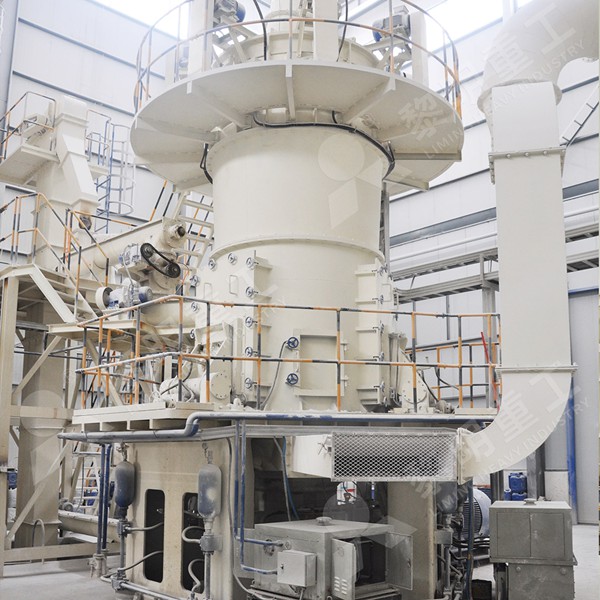
However, the mill is only the core component. A truly customized system encompasses the entire material and airflow circuit. This starts with primary size reduction equipment like a jaw crusher to ensure consistent feed size, followed by a variable-frequency vibrating feeder for precise and controllable material input. The system integrates a high-pressure centrifugal blower to generate the necessary airflow, a high-efficiency cyclone powder collector or bag filter dust removal system to capture the final product, and interconnected piping with inspection ports. Every element, from the motor power and reducer specification to the capacity of the dust collector, is selected and sized based on a comprehensive analysis of the client's project parameters. This system-level integration, managed by a centralized automatic electric control panel, is what transforms individual components into a seamless, automated production line.
The primary driver for customization is the specific application of the limestone powder. For instance, a system designed for flue gas desulfurization (FGD) in power plants prioritizes high volume output (often leveraging larger capacity models) and a fineness that maximizes reactive surface area. In contrast, a system producing filler-grade heavy calcium carbonate for plastics or paints may place a premium on achieving ultra-consistent particle size distribution and whiteness, potentially incorporating more advanced classifying stages or stricter impurity control at the feeding point. Liming's engineering team conducts thorough reviews of the raw limestone's hardness (Mohs scale), moisture content (ideally below 6%), and desired final specifications to recommend the optimal mill model, auxiliary equipment configuration, and operational settings.
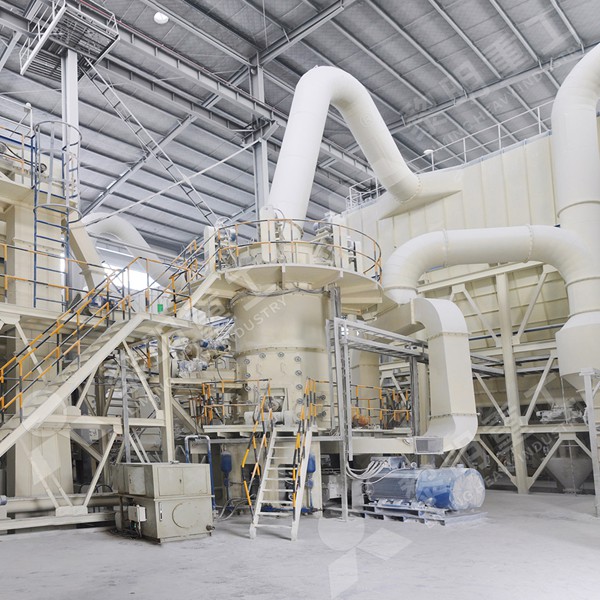
Operational benefits of a customized Raymond grinding system from Liming are substantial. The inherent mechanical stability and advanced design of the MTW/Raymond mill platform ensure low vibration and noise, contributing to prolonged equipment life and a better working environment. The system's energy efficiency is a key advantage, as the grinding mechanism and closed-loop airflow design minimize power consumption per ton of output compared to simpler milling technologies. Furthermore, the integration of high-efficiency pulse jet bag dust collectors ensures the entire process meets stringent environmental protection standards, containing dust emissions effectively. This commitment to green manufacturing is embedded in Liming's philosophy, from the research and development phase to the final on-site commissioning.
Ultimately, investing in a customized system is an investment in long-term operational sovereignty and profitability. Liming Heavy Industry supports this investment with a modern scientific management system and a "production, learning, and research" development model. From the initial project consultation at their Hi-TECH Industry Development Zone headquarters to precision manufacturing across their 80,000 m² and 67,000 m² facilities, and through to comprehensive after-sales support, clients partner with a leader in machinery manufacturing. The delivered system is not merely a collection of parts; it is a coherent, intelligent grinding solution engineered to provide reliable, efficient, and adaptable limestone powder production for years to come.
Frequently Asked Questions (FAQ)
1. What is the key difference between a standard Raymond mill and a "customized system"?
A standard mill is a standalone unit, while a customized system integrates the mill with perfectly matched auxiliary equipment (crusher, feeder, blower, dust collector, controls) into a complete, automated production line optimized for your specific material, capacity, and product goals.
2. Can your Raymond grinding system handle limestone with moisture content above 6%?
The traditional Raymond mill is best suited for materials with humidity below 6%. For higher moisture content, we often recommend integrating our LM Vertical Roller Mill into the system design, as it incorporates efficient drying capabilities alongside grinding.
3. How is the final fineness of the limestone powder controlled in your system?
Fineness is precisely controlled by the speed-adjustable built-in classifier (powder separator). Adjusting the classifier's rotational speed changes the centrifugal force, allowing real-time tuning of the particle size cut point without stopping production.
4. What kind of after-sales support accompanies the system?
Our support includes detailed installation guidance, comprehensive operator training, remote technical assistance, and a readily available supply of genuine wear parts like grinding rolls and rings to ensure minimal downtime.
5. For producing very fine limestone powder (e.g., below 10μm), is the Raymond system still suitable?
For superfine powder below 10μm (d97 ≤ 5μm), our MW Micro Powder Mill, which incorporates advanced Swedish grinding technology, is the more suitable and energy-efficient choice. We can advise on the optimal technology based on your target fineness spectrum.


