Published: October 26, 2023
In the demanding world of mineral processing, efficiency, consistency, and control are paramount. The centralized control limestone Raymond mill system represents a paradigm shift, moving beyond standalone grinding equipment to a fully integrated, intelligently managed production line. This system, exemplified by advanced solutions from industry leaders like LIMING HEAVY INDUSTRY, synergizes robust mechanical engineering with sophisticated automation. It delivers unparalleled precision in producing limestone powders for applications ranging from power plant desulfurization to the manufacture of industrial fillers, ensuring optimal particle size distribution, maximized throughput, and minimal operational intervention. By centralizing command over the entire process—from raw material feeding and grinding to classification and collection—this system establishes a new benchmark for productivity, energy conservation, and environmental compliance in modern powder-making plants.
The core of this advanced system is often built upon a high-performance grinding mill, such as the MTW European Type Grinding Mill or a next-generation Raymond Mill. These mills are engineered for durability and precision grinding. The MTW mill, for instance, incorporates patented technology like curved air duct and bevel gear overall drive, which contribute to stable performance, high productivity, and significant energy savings. Within a centralized control framework, these mechanical advantages are fully leveraged. The grinding process is no longer a isolated operation but a finely tuned component of a larger symphony.
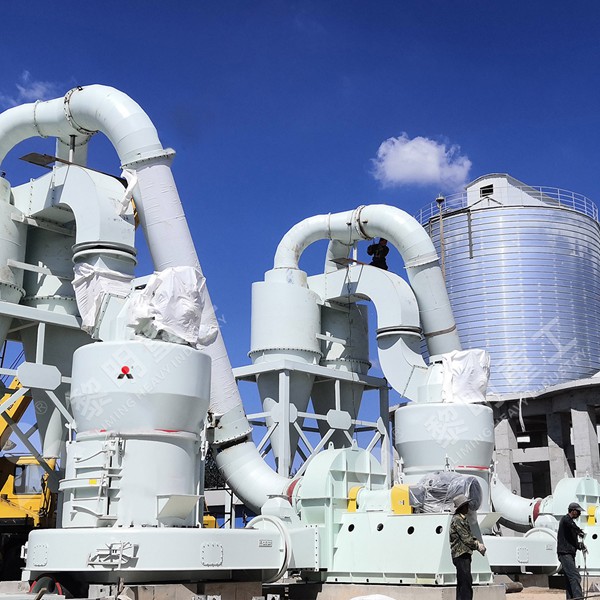
A true centralized control system integrates all auxiliary components into a single, coherent network. This includes the jaw crusher for primary size reduction, variable-frequency vibrating feeders for precise material input, high-efficiency turbo classifiers (separators) for accurate particle sizing, high-pressure air blowers, and multi-cyclone or pulse-jet baghouse dust collectors. The system operates on a closed-circuit, negative-pressure principle. Ground materials are carried by the air flow to the classifier, where oversize particles are rejected and returned for regrinding, while qualified fine powder is collected. The air is then recycled, making the operation dust-free and environmentally sound.
The transformative element is the centralized electric control cabinet and SCADA (Supervisory Control and Data Acquisition) system. This nerve center allows operators to monitor and adjust every parameter from a single location. Critical variables such as main motor current, grinding pressure, classifier speed, fan flow, inlet/outlet temperature, and hopper level are displayed in real-time. Automated logic controllers can maintain optimal grinding conditions by adjusting feeder speed based on motor load, regulating classifier speed to achieve target fineness, and managing the entire startup/shutdown sequence. This level of automation minimizes human error, ensures consistent product quality, and allows for predictive maintenance by tracking equipment performance trends.
For limestone processing specifically, the benefits are substantial. Consistent fineness is crucial for its effectiveness as a sorbent in flue gas desulfurization (FGD) or as a filler in plastics and paints. The centralized system's precise control over the classifier directly governs the final product's particle size distribution, ensuring it meets stringent specifications batch after batch. Furthermore, the integrated design, often featuring high-efficiency impeller powder collectors, maximizes yield and minimizes waste.
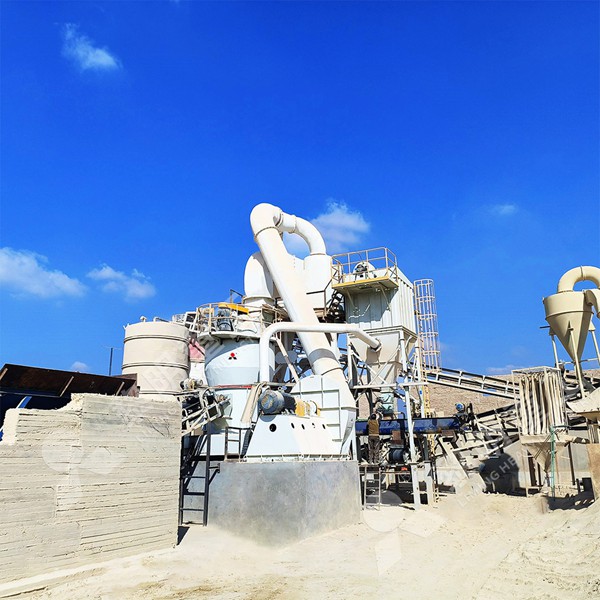
Drawing from decades of experience in manufacturing crushing and grinding equipment, companies like LIMING HEAVY INDUSTRY understand that a reliable system is built on a foundation of robust hardware and intelligent software. Their philosophy of integrating research, manufacturing, and sales ensures that the centralized control systems they develop are not just theoretical concepts but proven, practical solutions honed through technological progress and close collaboration with industry. The system's design prioritizes not only operational excellence but also environmental stewardship, with pulse dust collectors ensuring emissions comply with the strictest international standards.
In conclusion, the adoption of a centralized control limestone Raymond mill system is a strategic investment for any serious player in the mineral powder industry. It transcends traditional milling by offering a holistic solution that delivers superior product quality, remarkable operational efficiency, and sustainable production practices. As industries continue to demand higher purity and more consistent materials, such intelligent, integrated grinding systems will undoubtedly become the cornerstone of modern, competitive mineral processing operations.
Frequently Asked Questions (FAQ)
- What is the primary advantage of a centralized control system over a conventional manual mill operation?
The primary advantage is optimized, consistent performance with minimal manual intervention. Centralized control allows for real-time monitoring and automatic adjustment of all key parameters (feed rate, grinding pressure, classifier speed), ensuring stable product fineness, higher energy efficiency, and reduced labor costs. - Can this system handle materials other than limestone?
Absolutely. While excellent for limestone, the system is highly versatile. It can process various non-flammable, non-explosive minerals under Mohs hardness 7 and humidity below 6%, such as calcite, dolomite, barite, talc, gypsum, and coal for powder preparation. - How does the system ensure environmental protection?
The system employs a completely closed-circuit, negative-pressure air flow design. Coupled with high-efficiency pulse-jet baghouse dust collectors, it prevents powder leakage, recirculates air, and ensures that exhaust emissions meet stringent national and international environmental protection standards. - What is the role of the classifier (separator) in this system?
The classifier is critical for determining product fineness. It uses a variable-speed impeller to create a centrifugal classification field. Particles fine enough pass through to become product, while coarse particles are rejected and returned to the grinding chamber for further milling, allowing precise control over the final particle size distribution. - Is the system complex to operate and maintain?
While the technology is advanced, it is designed for user-friendliness. The centralized PLC/SCADA interface simplifies operation, often through touchscreen panels with intuitive graphics. Furthermore, the system facilitates predictive maintenance through data logging and alarm functions, and its modular design allows for easier access to key components for servicing.


