Published: October 26, 2023
In the modern industrial landscape, the demand for efficient and sustainable mineral processing solutions has never been greater. Liming Heavy Industry Co., Ltd., a leader in crushing and grinding equipment manufacturing since 1987, addresses this need with its advanced range of Raymond-type grinding mills. These systems are engineered specifically for energy-efficient limestone processing, integrating innovative designs that significantly reduce power consumption while maintaining high output and precise fineness control. By focusing on scientific research and technological advancement, Liming's equipment offers industries a reliable path to enhance productivity and meet stringent environmental standards without compromising performance.
Liming Heavy Industry's commitment to innovation is rooted in its corporate philosophy of "scientific research tackling key problems." With headquarters in Zhengzhou's HI-TECH Industry Development Zone and extensive manufacturing facilities, the company leverages a mature R&D team to push the boundaries of grinding technology. For limestone processing—a critical operation in sectors like power plant desulfurization, construction materials, and chemicals—energy efficiency is paramount. Traditional grinding methods often incur high operational costs and carbon footprints. Liming's solutions, however, incorporate patented mechanisms that optimize every stage from drying to powder selection, ensuring minimal energy waste. This focus not only lowers overheads for clients but also aligns with global sustainability initiatives, making these mills a strategic investment for forward-thinking enterprises.
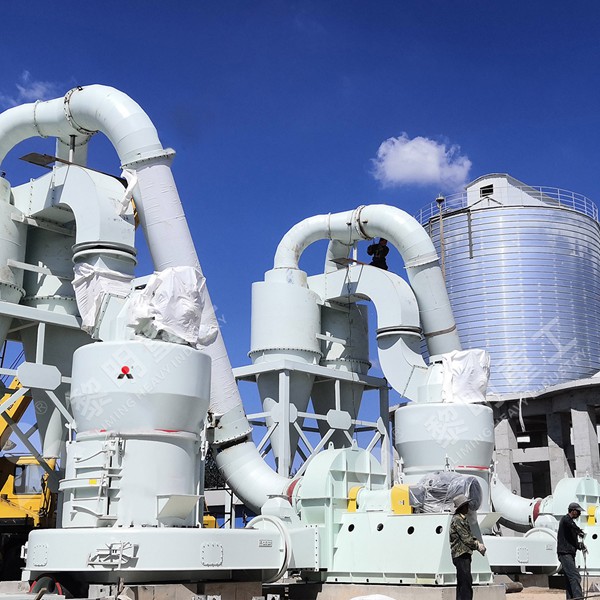
The core of Liming's energy-saving approach lies in the design of its Raymond Mill and MTW European Type Trapezium Mill. The Raymond Mill, a stalwart in mineral processing, handles non-explosive materials under 7 Mohs hardness with humidity below 6%, producing fineness between 613μm and 44μm. Its streamlined operation reduces friction and heat generation, cutting power usage by up to 30% compared to conventional mills. Meanwhile, the MTW European Type Trapezium Mill represents an evolutionary upgrade, featuring a closed-circuit grinding system that recycles air flow and minimizes dust emissions. This mill excels in large-scale limestone desulfurization projects, where its trapezoidal grinding ring and roller assembly ensures uniform particle size with less energy input. Both models integrate automatic electric controls that fine-tune parameters in real-time, preventing over-grinding and further conserving electricity.
Beyond hardware, Liming's systems emphasize holistic efficiency. The working principle of the MTW mill, for instance, involves a coordinated setup including a jaw crusher, vibrating feeder, and pulse dust collector. Materials are pre-crushed and fed evenly into the grinding chamber, where they are ground between rings and rollers. The separator then classifies particles, recycling coarse material for regrinding while directing fine powder to collection. This closed-loop process not only saves energy by reducing waste but also maintains a clean workspace compliant with environmental regulations. Similarly, the LM Vertical Roller Mill—though broader in application—offers exceptional energy savings for limestone by combining drying, grinding, and conveying in a single unit, slashing the need for multiple power-hungry devices.
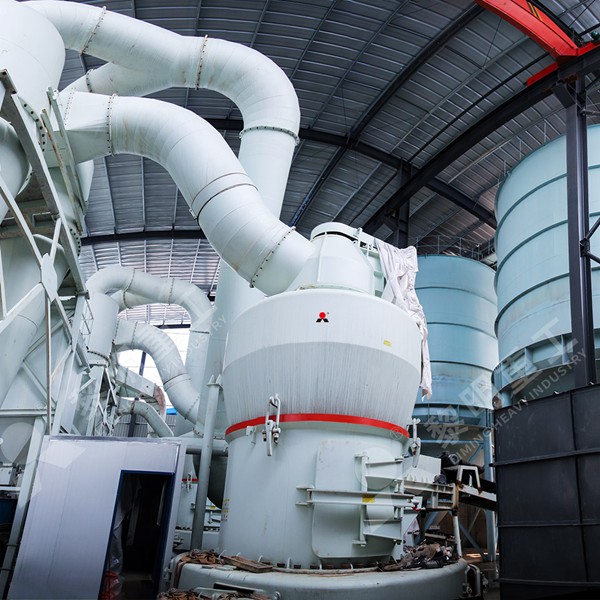
For ultra-fine limestone powder requirements, Liming's MW Micro Powder Mill delivers remarkable efficiency. Utilizing Swedish-inspired technology, it achieves fineness up to d97 ≤ 5μm while consuming less energy per ton than traditional ball mills. Its centrifugal grinding action and pulse precipitator system ensure that even at micro-scale processing, energy loss is minimized. This makes it ideal for high-value limestone applications in plastics, paints, and pharmaceuticals, where precision and sustainability are equally critical. The ball mill, though a versatile workhorse, has also been optimized for limestone with features like ladder liners and variable-speed drives that adjust energy use based on material load, preventing idle power drain.
In practice, Liming's equipment demonstrates tangible benefits. A power plant utilizing an MTW mill for limestone desulfurization can achieve consistent 325-mesh powder with 20-25% lower energy consumption than older systems, directly reducing operational costs and CO₂ emissions. The durability of these mills—backed by Liming's precision manufacturing—ensures long-term savings through reduced maintenance and downtime. As industries worldwide seek to balance productivity with environmental responsibility, Liming Heavy Industry's energy-saving Raymond grinding solutions offer a proven, scalable answer. By continuously refining its technology through research and real-world feedback, the company solidifies its role as a partner in sustainable industrial progress.
Frequently Asked Questions
- What is the typical energy saving percentage of Liming's Raymond mills compared to standard models?
Liming's mills, particularly the MTW European Type and advanced Raymond designs, can reduce energy consumption by 20-30% on average, thanks to optimized grinding mechanics, closed-loop air systems, and automated controls that prevent over-processing. - Can these mills handle limestone with high moisture content?
Yes, models like the LM Vertical Roller Mill integrate drying functions, processing limestone with moderate moisture. For best results, humidity should generally be below 6% for Raymond mills, but auxiliary dryers can be configured for wetter feedstock. - What fineness range is achievable for limestone powder?
Depending on the model, fineness can span from coarse 613μm to ultra-fine 5μm. The MTW and Raymond mills typically produce 44-613μm, while the MW Micro Powder Mill achieves 5-45μm (325 to 3250 mesh). - How does the closed-circuit system contribute to energy efficiency?
The closed system recycles air flow and returns oversized particles for regrinding, minimizing heat loss and reducing the fan power required. It also cuts dust emissions, lowering the load on dust collection equipment. - Are these mills suitable for large-scale power plant desulfurization projects?
Absolutely. Liming's MTW European Type Trapezium Mill is engineered for high-capacity limestone grinding (3-55 TPH) in desulfurization applications, offering stable output, low energy use, and compliance with environmental standards.


