Published: October 26, 2023
In the demanding world of mineral processing, efficiency, consistency, and automation are paramount. For limestone grinding applications, from desulfurization in power plants to the production of heavy calcium carbonate, the integration of an automated feeding system with a Raymond mill represents a significant technological leap forward. This combination, exemplified by advanced solutions from LIMING HEAVY INDUSTRY, transforms raw limestone into precisely graded powder with minimal human intervention, ensuring optimal feed rates, preventing mill overload or underload, and maximizing throughput and product quality. By marrying the proven, high-efficiency grinding mechanism of the Raymond mill with intelligent, variable-frequency control of material input, operations achieve a new level of reliability, energy economy, and process stability.
Since its founding in 1987, LIMING HEAVY INDUSTRY CO., LTD. has dedicated itself to the research, manufacturing, and sales of large and medium-sized crushing and grinding equipment. With headquarters spanning 80,000 m² in Zhengzhou's HI-TECH Industry Development Zone and an additional 67,000 m² workshop, the company's growth over three decades is built on a foundation of modern scientific management, precision manufacturing, and relentless innovation. This commitment to "scientific research tackling key problems" and a "production, learning and research" model has positioned LIMING at the forefront of machinery manufacturing, developing solutions that address the core needs of industries worldwide.
The classic Raymond mill has long been a workhorse for processing non-explosive, non-flammable materials like limestone with Mohs hardness under 7 and humidity less than 6%. Its ability to produce fineness between 44μm and 613μm makes it exceptionally versatile. However, traditional manual or semi-automatic feeding methods can introduce variability—fluctuations in feed rate lead to inconsistent grinding pressure, uneven wear on grinding rolls and rings, and potential fluctuations in final product fineness. This is where the paradigm shifts with the introduction of a fully integrated automatic feeding system.
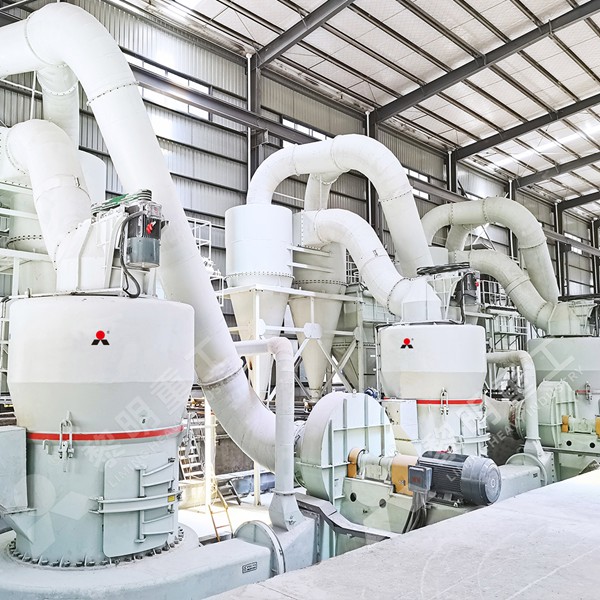
The heart of this automated system is a variable-frequency drive (VFD) controlled belt feeder or vibrating feeder, often paired with a primary jaw crusher and hopper. Large limestone lumps are first reduced to a consistent size (typically 15-25mm). This crushed material is then fed into a storage hopper. The intelligent system begins here: the feeder, governed by the mill's main motor load and pressure sensors within the grinding chamber, automatically adjusts its conveying speed. If the grinding chamber pressure rises, indicating a heavier load, the feeder slows slightly. Conversely, if pressure drops, the feeder increases the rate. This creates a closed-loop control system that maintains the optimal material volume inside the mill at all times.
This precise regulation yields profound benefits. Firstly, it ensures the grinding rollers and ring are constantly working at their most efficient pressure, leading to more uniform wear and significantly extending the lifespan of these critical wear parts. Secondly, it stabilizes the airflow and powder classification process within the integrated separator. A consistent feed means a steady stream of material is carried by the air flow to the classifier, where oversized particles are efficiently rejected back for regrinding, while finished product of consistent fineness is collected. This results in a narrower particle size distribution and higher product quality. Thirdly, it prevents energy waste from an underloaded mill or potential blockages and motor overload from an overfed one, directly reducing specific energy consumption per ton of processed limestone.
For large-scale limestone powder production, such as for power plant desulfurization or industrial fillers, LIMING HEAVY INDUSTRY's technological prowess extends to the MTW European Type Grinding Mill. This advanced iteration builds upon the traditional Raymond mill foundation with patented technologies like curved air duct, internal lubricating system, and efficient turbine classifier. When equipped with automatic feeding, this system becomes a powerhouse of productivity and environmental compliance. The entire grinding line—from jaw crusher and auto-feeder to the mill, separator, blower, and pulse dust collector—operates as a synchronized, closed-circuit system. The dust collector ensures the operation meets stringent environmental standards, capturing any fugitive powder, a critical consideration for modern industrial sites.
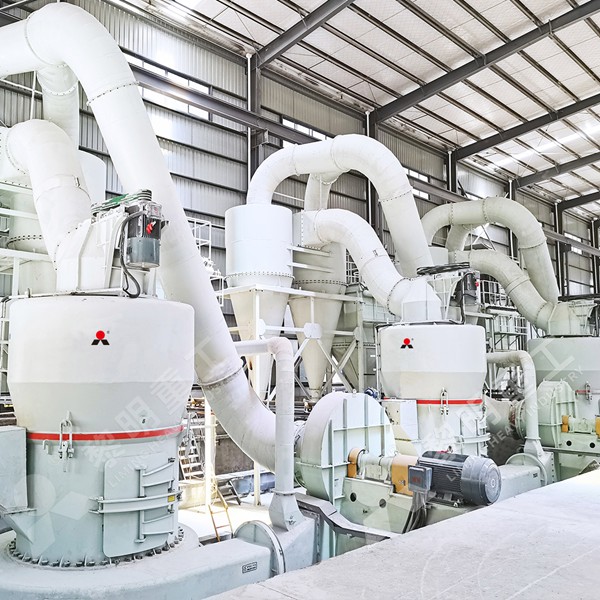
The working principle of the automated Raymond mill system is a symphony of mechanical and control engineering. Crushed limestone is fed uniformly and continuously into the grinding chamber. The materials are ground between the rotating rollers and the stationary ring. The ground powder is carried upward by the air flow from the blower into the separator. The high-precision classifier wheels reject coarse particles, which fall back for regrinding, while fine powder meeting the specification passes through and is collected by the cyclone or bag filter as the final product. Throughout this process, the automatic feeder is the diligent conductor, ensuring the material input perfectly matches the grinding and classification capacity, enabling the system to achieve its rated capacity of 1.2 to 4.5 T/H (or higher for MTW series) with remarkable stability.
In conclusion, the integration of automatic feeding is not merely an add-on but a transformative enhancement for Raymond mill technology in limestone processing. It embodies LIMING HEAVY INDUSTRY's philosophy of continuous improvement and technological frontier pursuit. By eliminating feed-rate variability, this system unlocks the full potential of the grinding mill, delivering superior operational consistency, reduced maintenance costs, lower energy consumption, and a higher-quality limestone powder product. For any operation seeking to modernize its mineral processing line, an automated Raymond mill system represents a strategic investment in efficiency, profitability, and sustainable production.
Frequently Asked Questions (FAQ)
Q1: What is the primary advantage of an automatic feeding system for a Raymond mill processing limestone?
A1: The core advantage is the stabilization of the grinding process. By maintaining a consistent and optimal feed rate, it prevents mill overload/underload, ensures uniform wear on grinding parts, stabilizes product fineness, and maximizes energy efficiency and throughput.
Q2: Can the automatic feeding system be retrofitted to existing Raymond mill installations?
A2: Yes, in most cases. A retrofit typically involves installing a variable-frequency drive feeder, relevant material level or pressure sensors, and integrating the control logic with the mill's main motor control system. It is recommended to consult with the original equipment manufacturer for a compatible solution.
Q3: How does the automatic feeder respond to changes in limestone hardness or moisture content?
A3: The system primarily responds to the physical load in the grinding chamber (e.g., grinding pressure, motor amperage). If harder or slightly damper limestone increases the grinding resistance, the system will detect the increased load and can be programmed to slightly reduce the feed rate to compensate, maintaining stable operation.
Q4: What is the typical fineness range achievable for limestone with an automated Raymond mill system?
A4: With a high-efficiency integrated classifier, these systems can reliably produce limestone powder in a fineness range from approximately 44 microns (325 mesh) up to 613 microns (30 mesh). The specific range can be adjusted based on the classifier speed and system configuration.
Q5: Does the closed-circuit system with a pulse dust collector fully contain limestone dust?
A5> Yes, a well-designed system is a negative-pressure closed circuit. The pulse jet bag filter or other dust collection device captures over 99.9% of the airborne particulates, ensuring the operation complies with industrial environmental protection standards and provides a clean working environment.


