Published: October 26, 2023
Liming Heavy Industry Co., Ltd., a pioneer in crushing and grinding equipment since 1987, presents its advanced vertical structure limestone Raymond grinding solutions. These machines represent a synthesis of decades of engineering expertise, designed specifically for efficient, high-capacity processing of limestone and other non-metallic minerals. By integrating modern grinding principles with robust vertical mill structures, they offer superior fineness control, energy efficiency, and system stability for applications ranging from power plant desulfurization to heavy calcium carbonate production, cement manufacturing, and the chemical industry.
At the core of our technological philosophy is the commitment to scientific research and innovation. With headquarters in the HI-TECH Industry Development Zone of Zhengzhou and a sprawling manufacturing footprint, Liming Heavy Industry has consistently focused on improving product competitiveness. Our vertical structure Raymond grinding machines are a direct result of this "production, learning, and research" approach. They are not merely iterations of old designs but are engineered from the ground up to address the specific challenges of limestone grinding—such as abrasiveness, moisture content, and the demand for precise particle size distribution.
The design incorporates a vertical roller mill system that integrates drying, grinding, powder selection, and conveying into a single, cohesive unit. This vertical configuration offers significant advantages over traditional horizontal ball mills. The material is fed centrally and ground between the rollers and a rotating grinding ring. The ground powder is then carried upward by an air stream to a classifier. Coarse particles are rejected and fall back for regrinding, while fine product passes through. This closed-circuit system ensures high grinding efficiency and consistent product quality.
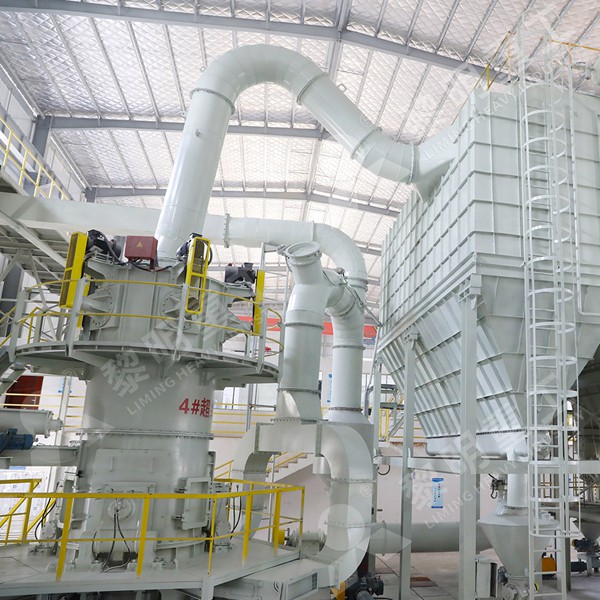
Key to the machine's performance is its grinding mechanism. For limestone processing, the Raymond grinding principle—using spring-loaded rollers to apply pressure to the material bed on a rotating ring—is enhanced within a vertical mill framework. This allows for a larger grinding area and better control over the grinding force. The system can handle input sizes up to 55mm and deliver outputs ranging from coarse grit to fine powders as fine as 44μm (325 mesh) and, with advanced classifier systems, even down to finer specifications for specialized applications. Capacities are scalable, supporting production needs from pilot-scale projects to large industrial lines exceeding 400 tons per hour.
Operational efficiency is a hallmark. The vertical structure minimizes the footprint of the grinding plant while the integrated system reduces energy consumption per ton of product. The grinding process itself generates heat, which can be utilized to dry materials with moderate moisture content (typically below 6%), eliminating the need for a separate dryer in many cases. Furthermore, the entire system is equipped with pulse-jet bag dust collectors, ensuring that operations meet stringent environmental protection standards with minimal dust emission.
Applications are vast. In power plants, finely ground limestone is essential for flue gas desulfurization (FGD). Our vertical Raymond mills provide the consistent, high-volume powder required for this critical environmental process. In construction and manufacturing, the mills produce ground calcium carbonate (GCC) used as a filler in plastics, paints, paper, and adhesives. The chemical industry relies on them for producing consistent limestone feedstocks. The machine's versatility also extends to grinding related materials like gypsum, barite, calcite, and slag.
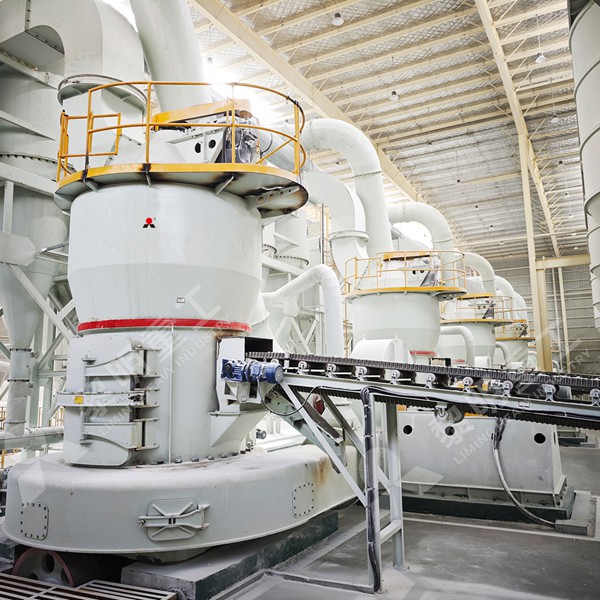
Maintenance and reliability are engineered into the design. Critical wear parts, such as grinding rollers and rings, are manufactured from high-chromium or alloy steels for extended service life in abrasive environments. The centralized automatic electric control system allows for easy monitoring and adjustment of operational parameters, facilitating stable, long-running operation with minimal manual intervention. This focus on durability and smart control underscores Liming Heavy Industry's dedication to providing not just machinery, but comprehensive, reliable production solutions.
In conclusion, the Vertical Structure Limestone Raymond Grinding Machine from Liming Heavy Industry embodies a mature yet evolving technology. It stands as a testament to our three-decade journey of precision manufacturing and innovation, offering a balanced solution that prioritizes performance, economy, and environmental stewardship. For any operation seeking to optimize its limestone grinding process, this machine represents a sophisticated, future-ready choice.
Frequently Asked Questions (FAQ)
- What is the main advantage of a vertical structure over a traditional horizontal Raymond mill for limestone grinding?
The vertical structure offers a more compact footprint, integrates multiple processes (drying, grinding, classification), provides better grinding efficiency due to direct pressure application on the material bed, and often results in lower energy consumption per ton of product. - Can this machine handle moist limestone feedstock?
Yes, the system is designed with integrated drying capability. The heat generated during grinding and optional hot air intake can effectively dry materials with humidity typically up to 6%, making a separate dryer unnecessary in many standard applications. - What fineness range can be achieved for limestone powder?
The standard output fineness can be adjusted between approximately 44μm (325 mesh) and 613μm. With optional high-efficiency classifiers or by configuring the system as a micro-powder grinding line, much finer products (e.g., d97 ≤ 5μm) can be achieved. - How does the system ensure environmental compliance?
The grinding system is a closed-circuit design equipped with high-efficiency pulse-jet baghouse dust collectors. This configuration captures over 99.9% of particulate matter, ensuring emissions are well within national and international environmental protection standards. - What are the key maintenance points for long-term reliable operation?
Primary wear parts are the grinding rollers and ring. Their lifespan depends on limestone abrasiveness but they are designed for easy replacement. Regular inspection of the lubrication system, classifier blades, and wear liners, along with monitoring the control system parameters, is recommended for optimal uptime.


