Published on: October 26, 2023
For industries requiring efficient, on-site mineral processing, the mobile Raymond mill unit represents a transformative solution, particularly for calcite applications. Combining the proven grinding technology of traditional Raymond mills with unprecedented mobility, this integrated system allows for direct processing at mining or project sites, eliminating the logistical and cost burdens associated with transporting raw materials to fixed plants. Developed by Liming Heavy Industry, a leader in crushing and grinding equipment since 1987, the mobile unit is engineered for operations demanding flexibility, rapid deployment, and consistent production of high-quality calcite powder used in plastics, paints, coatings, and construction materials. By bringing the mill to the material source, it ensures optimal freshness of product, reduces carbon footprint from transport, and provides complete control over the grinding circuit.
The core of this innovation lies in the seamless integration of a high-performance Raymond grinding mill onto a robust, mobile chassis. Liming Heavy Industry's decades of expertise in manufacturing medium and large-scale grinding equipment is evident in the unit's design. The Raymond mill component is renowned for its suitability in processing non-flammable, non-explosive materials with Mohs hardness under 7 and humidity less than 6%, making calcite—with a hardness of 3—an ideal feedstock. The system delivers a fineness range between 44μm and 613μm (approximately 325 to 30 mesh), which can be precisely adjusted to meet diverse industrial specifications for calcium carbonate powder.
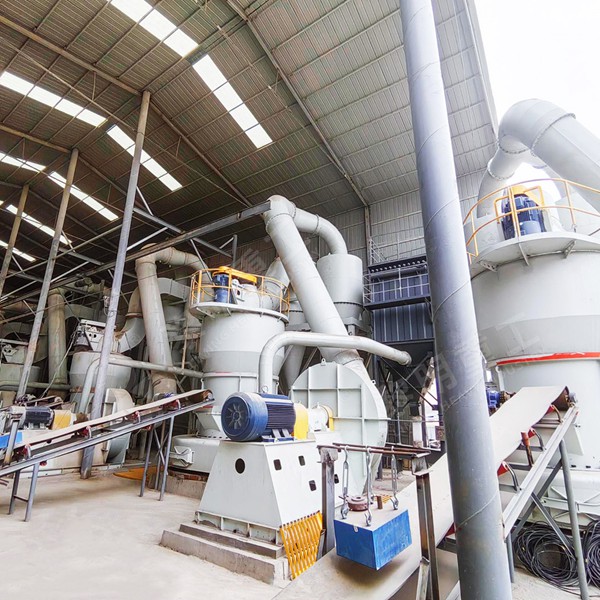
Operational efficiency is paramount. The mobile unit is a self-contained processing plant. It typically includes a primary jaw crusher for initial size reduction of raw calcite ore, a vibrating feeder for consistent material flow, the Raymond mill mainframe with its grinding rollers and ring, a classifier for precision powder separation, a pulse dust collector ensuring environmentally friendly operation, and interconnected conveyors and piping—all mounted on a single or modular trailer configuration. This integrated approach, stemming from Liming's philosophy of "scientific research tackling key problems," allows for a quick setup. Within a short time of arrival on-site, the unit can be operational, processing calcite directly from the stockpile.
The advantages of on-site calcite processing with a mobile Raymond mill are multifaceted. Firstly, it dramatically reduces transportation costs. Instead of hauling bulky, unprocessed calcite rock over long distances, only the value-added, refined powder needs to be transported to end-users or packaging facilities. Secondly, it guarantees product consistency and quality. Processing immediately after extraction minimizes the risk of contamination and allows for real-time quality control adjustments. Thirdly, it offers exceptional project flexibility. Contractors or mining companies can move the unit between different sites or deposits as needed, maximizing asset utilization and enabling the exploitation of smaller, remote calcite reserves that would be uneconomical for a fixed plant.
Liming Heavy Industry's commitment to "technological progress and technological improvement" is embedded in the unit's design. The grinding system employs a closed-circuit air flow, which recycles air through the blower, enhancing energy efficiency and containing dust. The automatic electric control system simplifies operation, allowing for monitoring and adjustment of key parameters like feed rate and fineness from a central panel. This focus on innovation ensures the mobile Raymond mill is not just a portable version of a stationary machine but an optimized system for the demands of field operation.
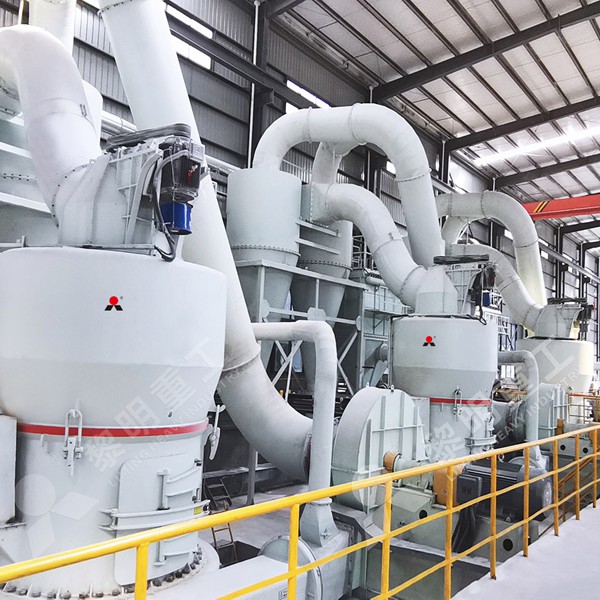
From an environmental and sustainability perspective, the mobile unit scores highly. The integrated pulse jet dust collector captures over 99.9% of airborne particles, ensuring emissions comply with stringent international environmental standards. Furthermore, by cutting down on trucking requirements for raw ore, the overall carbon emissions of the calcite supply chain are significantly reduced. This aligns with modern industry goals for greener production methods without compromising on output or quality.
In conclusion, the Mobile Raymond Mill Unit from Liming Heavy Industry is a strategic asset for any business involved in calcite production or utilization. It embodies the company's core strengths in precision manufacturing and R&D-driven product development. By offering a powerful, flexible, and efficient method for on-site grinding, it solves critical challenges of cost, logistics, and quality control, empowering customers to streamline their operations and enhance their competitiveness in the markets for ground calcium carbonate.
Frequently Asked Questions (FAQ)
- What is the typical setup time for the mobile Raymond mill unit at a new site?
With proper site preparation (a level, stable base), the unit can typically be operational within 1-2 days. Its integrated, pre-assembled design minimizes on-site connection and commissioning work. - Can the fineness of the final calcite powder be adjusted during operation?
Yes. The Raymond mill system features an adjustable classifier. The fineness of the output powder can be modified in real-time by changing the classifier speed, allowing operators to produce different grades of product as needed without stopping the mill. - What power source is required to operate the mobile unit?
The unit is designed to be connected to a standard industrial electrical grid. The specific voltage and power requirements depend on the model configuration and are provided in the technical specifications. Diesel generator options may also be available for fully remote sites. - How does the system handle moisture in the raw calcite?
The Raymond mill within the mobile unit integrates a drying function. Hot air generated by the system or from an optional auxiliary heat source is introduced into the grinding chamber, effectively handling materials with moisture content up to 6% to ensure smooth grinding and prevent clogging. - What kind of maintenance does the mobile Raymond mill require?
Maintenance is similar to a stationary Raymond mill but facilitated by accessible design. Key routine tasks include inspecting and replacing grinding rollers and ring liners, checking classifier blades, and ensuring the dust collector filters are clean. Detailed maintenance schedules and manuals are provided by Liming Heavy Industry.


