Published: October 26, 2023
For industries requiring high-purity calcite processing, achieving exceptional powder yield while maintaining stringent environmental standards is paramount. LIMING HEAVY INDUSTRY's advanced Raymond Mill systems are engineered specifically to meet this dual challenge, offering reliable grinding solutions for calcite with a remarkable 99% powder collection efficiency. By integrating state-of-the-art closed-circuit grinding principles with high-performance pulse-jet dust collectors, these mills ensure minimal product loss, superior operational cleanliness, and compliance with global environmental regulations, making them an ideal choice for cost-effective and sustainable mineral processing.
Since its establishment in 1987, LIMING HEAVY INDUSTRY CO., LTD. has dedicated itself to the research, manufacturing, and sales of large and medium-sized crushing and grinding equipment. With headquarters in the HI-TECH Industry Development Zone of Zhengzhou and a second major workshop in Shangjie Industry Park, the company's modern facilities span over 147,000 square meters. For over three decades, a commitment to scientific management, precision manufacturing, and continuous innovation has positioned LIMING as a leader in the global machinery manufacturing sector. This expertise is directly applied to the development of their grinding mills, including the specialized Raymond Mill for calcite.
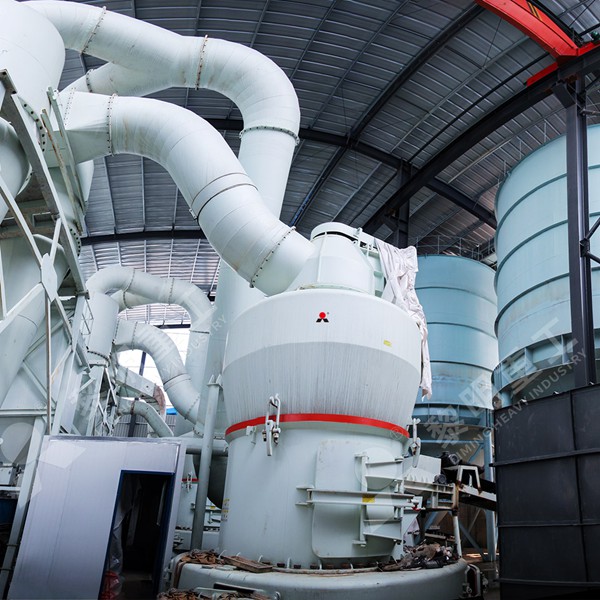
The core application of the LIMING Raymond Mill lies in processing non-flammable, non-explosive materials like calcite with a Mohs hardness under 7 and humidity less than 6%. It produces a fineness range between 44μm and 613μm, catering to diverse industrial specifications for calcium carbonate. The mill's effectiveness for calcite is not solely due to its grinding mechanism but is profoundly enhanced by its sophisticated powder collection system. The working principle involves grinding materials between the rollers and the ring, after which the powdered calcite is carried upward by the airflow to the classifier. Oversized particles are separated and returned for regrinding, while qualified fine powder enters the collection stage.
The achievement of 99% collection efficiency is a direct result of integrating a high-efficiency pulse-jet dust collector into a fully closed-circuit airflow system. This system is a hallmark of LIMING's design philosophy, which emphasizes "production, learning, and research." The air blower circulates air within the sealed loop, significantly reducing the emission of fine particles. The pulse dust collector, equipped with advanced filter bags, periodically cleans itself with high-pressure air jets, ensuring consistent suction and filtration performance. This setup captures virtually all calcite powder, transforming it from a potential pollutant into valuable product, thereby maximizing yield and ensuring the workshop environment remains dust-free.
This high-efficiency collection is critical for several reasons. First, calcite powder is a valuable commodity in industries such as plastics, paints, coatings, and paper. Any loss represents direct economic waste. Second, stringent environmental regulations worldwide mandate the control of particulate matter emissions. A 99% efficiency rate not only meets but often exceeds these standards, safeguarding operators' health and minimizing the plant's environmental footprint. Third, the clean, closed system reduces wear on mechanical components by preventing powder ingress, leading to lower maintenance costs and higher overall equipment longevity.
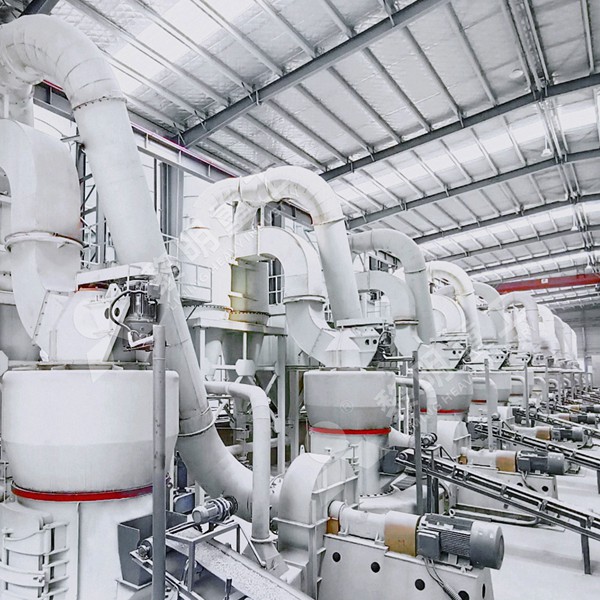
LIMING's commitment to technological advancement is evident in the continuous refinement of this system. The company's R&D strategy, focused on improving product competitiveness, leverages a mature scientific research team to tackle key problems in grinding and collection technology. The Raymond Mill's design incorporates these innovations, offering a stable, high-productivity solution that aligns with the principles of environmental protection and energy saving. For calcite processors, this translates into a reliable machine capable of delivering consistent fineness and unparalleled material recovery, directly contributing to a healthier bottom line and sustainable operations.
In conclusion, the LIMING Raymond Mill represents a synergistic solution where precision grinding meets advanced environmental engineering. Its 99% powder collection efficiency for calcite processing sets a benchmark in the industry, addressing the critical needs of profitability, product quality, and ecological responsibility. By choosing this technology, producers invest not just in a mill, but in a comprehensive, closed-loop system designed for excellence in the modern mineral processing landscape.
Frequently Asked Questions (FAQ)
- What is the primary advantage of a 99% powder collection efficiency in calcite processing?
The primary advantage is the maximization of product yield, turning nearly all ground calcite into saleable material. It also ensures full compliance with environmental regulations, creates a safer, cleaner workplace, and reduces long-term equipment maintenance costs. - Can the fineness of the ground calcite be adjusted with this Raymond Mill?
Yes. The integrated classifier allows for precise adjustment of the output fineness within a range of 44μm to 613μm (approximately 325 to 30 mesh), enabling users to meet specific customer requirements for different applications. - How does the closed-circuit system contribute to energy efficiency?
The closed-circuit system recycles the transporting air, minimizing the need to heat or condition large volumes of new air from outside. This significantly reduces the energy consumption associated with drying (if needed) and powering the air blower, leading to lower operational costs. - Is the system suitable for processing other materials besides calcite?
Absolutely. While excellent for calcite, this Raymond Mill is suitable for grinding any non-flammable, non-explosive material with a Mohs hardness below 7 and moisture content under 6%, including gypsum, talc, barite, and various other non-metallic minerals. - What kind of maintenance does the pulse-jet dust collector require?
Maintenance is minimal and primarily involves periodically checking and replacing the filter bags as per the operational hours and material characteristics. The automated pulse-cleaning mechanism keeps the filters clean, and the robust design ensures reliable, long-term operation with routine inspections.


