Published: October 26, 2023
Liming Heavy Industry's Calcite Raymond Mill, integrated with a fully automated feeding and discharging system, represents a paradigm shift in non-metallic mineral processing. This advanced solution combines the proven, high-efficiency grinding mechanism of the traditional Raymond mill with intelligent automation, delivering unparalleled consistency, operational safety, and powder quality for calcite and similar materials. Designed for continuous, large-scale production, the system ensures optimal particle size distribution between 44μm and 613μm while significantly reducing labor intensity and human error, making it an ideal cornerstone for modern, smart mineral processing plants.
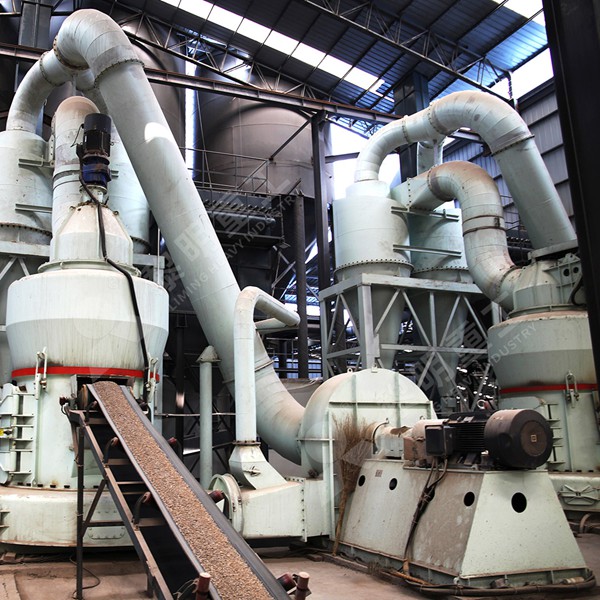
At the heart of this system lies Liming Heavy Industry's robust Raymond mill engineering, refined over decades since our founding in 1987. The mill itself is engineered for processing non-flammable, non-explosive materials with Mohs hardness under 7 and humidity less than 6%, making calcite—a primary target mineral—an ideal feedstock. The grinding mechanism utilizes a centralized electrical control system that synchronizes the grinding rollers and ring to achieve precise fineness. What truly elevates this setup is the seamless integration of the automated material handling circuit. A variable-frequency vibrating feeder, precisely calibrated by the central control cabinet, draws crushed calcite from the storage hopper and delivers it into the grinding chamber at a constant, optimal rate. This closed-loop feeding system is critical for maintaining stable grinding pressure and preventing mill overload or underutilization, directly impacting energy efficiency and product uniformity.
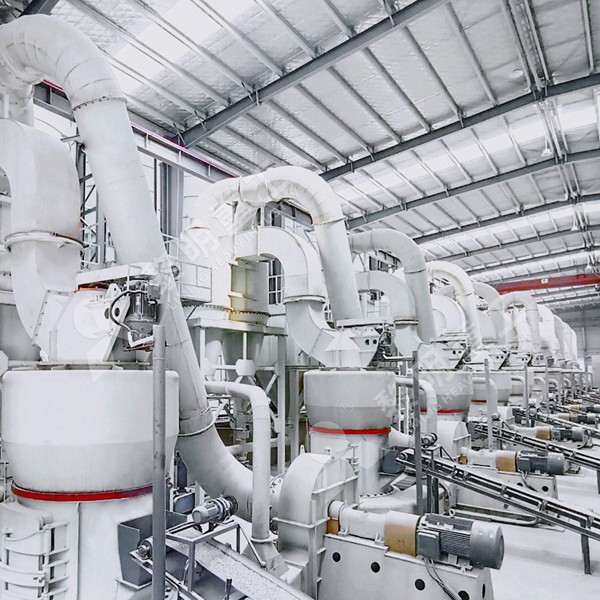
The automated discharging and classification process is equally sophisticated. Ground calcite powder is carried by the air flow generated by the system's high-pressure blower into a high-efficiency separator. Here, particles achieving the target fineness proceed through the cyclone powder collector for final product collection, while oversized particles are rejected and returned to the grinding chamber for further processing. This internal recycling loop is managed entirely by the system's logic, ensuring a closed, dust-minimized operation. The entire process—from raw material input to finished powder packaging—is monitored and adjusted in real-time via an advanced human-machine interface (HMI). Operators can set parameters for feed rate, grinding fineness, and output capacity, with the system automatically compensating for minor variances in feedstock characteristics.
From an operational standpoint, the benefits are substantial. The automation drastically reduces the need for constant manual intervention, lowering operational costs and minimizing exposure to dust environments. Consistency is the hallmark; batch-to-batch variation in calcite powder fineness becomes virtually nonexistent, which is crucial for downstream applications in plastics, paints, and construction materials where particle size directly affects product performance. Furthermore, the system's design emphasizes sustainability. The integrated pulse-jet dust collector ensures that emissions are kept well within international environmental standards, aligning with modern green manufacturing principles. The energy-efficient design of the mill motor and blower, coupled with the optimized material flow from automated controls, contributes to a lower carbon footprint per ton of processed calcite.
Liming Heavy Industry's commitment to R&D, with its mature scientific research team focusing on "technological progress and technological improvement," is evident in this system's design. It is not merely a collection of components but a harmonized unit where mechanical durability meets digital intelligence. The system is engineered for integration into larger production lines, compatible with upstream crushers and downstream packaging or silo systems. For enterprises looking to upgrade their calcite processing capabilities, this Raymond Mill with automatic feeding and discharging offers a future-proof solution that enhances productivity, ensures product excellence, and advances operational intelligence.
Frequently Asked Questions (FAQ)
- What is the primary advantage of the automatic feeding system in this Calcite Raymond Mill?
The automatic feeding system ensures a consistent and optimal feed rate into the grinding chamber. This stabilizes grinding pressure, maximizes mill efficiency, prevents blockages or idle running, and guarantees uniform product fineness by eliminating manual feeding inconsistencies. - Can this system handle materials other than calcite?
Absolutely. While optimized for calcite, the system is suitable for grinding various non-flammable, non-explosive minerals under 7 Mohs hardness and 6% humidity, such as gypsum, talc, limestone, barite, and fluorite, making it highly versatile for non-metallic mineral processing. - How does the automated system impact maintenance requirements?
Automation reduces wear caused by improper manual operation (like overfeeding) and provides operational data that aids in predictive maintenance. While the core mechanical components (rollers, rings) require scheduled inspection, the automated controls help extend service intervals and alert operators to potential issues. - Is the system compliant with environmental regulations?
Yes. The design incorporates a high-efficiency pulse-jet dust collector as a standard component, creating a negative-pressure, closed-loop airflow system. This effectively contains dust, ensuring emissions meet stringent international environmental protection standards for industrial workplaces. - What level of technical expertise is required to operate this automated mill?
The system is designed for user-friendly operation. The central HMI allows control via preset programs. Basic training is sufficient for daily operation and monitoring. For advanced parameter adjustments and troubleshooting, Liming Heavy Industry provides comprehensive technical support and documentation.


