Published: October 26, 2023
For industries requiring the fine grinding of heat-sensitive minerals like calcite, traditional milling methods often pose a significant challenge due to the risk of thermal degradation, which can alter the material's chemical structure, color, and physical properties. Liming Heavy Industry addresses this critical need with its advanced, low-temperature Raymond Mill technology. Engineered specifically for processing delicate, temperature-sensitive materials, this mill integrates intelligent temperature control systems, optimized airflow dynamics, and precision grinding mechanics to maintain operational temperatures well below the degradation threshold of calcite. By preventing excessive heat generation during the comminution process, it preserves the whiteness, crystal structure, and reactivity of the final product, making it an indispensable solution for high-value applications in plastics, paints, coatings, and pharmaceuticals where material purity is paramount.
Liming Heavy Industry Co., Ltd., with over three decades of expertise in manufacturing crushing and grinding equipment, has consistently focused on innovation to meet evolving industrial demands. The development of our low-temperature Raymond Mill stems from a deep understanding of the limitations of conventional grinding systems when applied to minerals like calcite, barite, and gypsum. Our commitment to "scientific research tackling key problems" and "technological progress" drives the continuous refinement of our machinery. By leveraging our mature R&D team and modern manufacturing facilities in Zhengzhou's HI-TECH Industry Development Zone, we have engineered a mill that not only protects material integrity but also enhances energy efficiency and operational stability.
The core innovation of our low-temperature Raymond Mill lies in its multi-faceted approach to heat management. The grinding chamber is designed with enhanced ventilation and a unique air recirculation system that facilitates rapid heat dissipation. 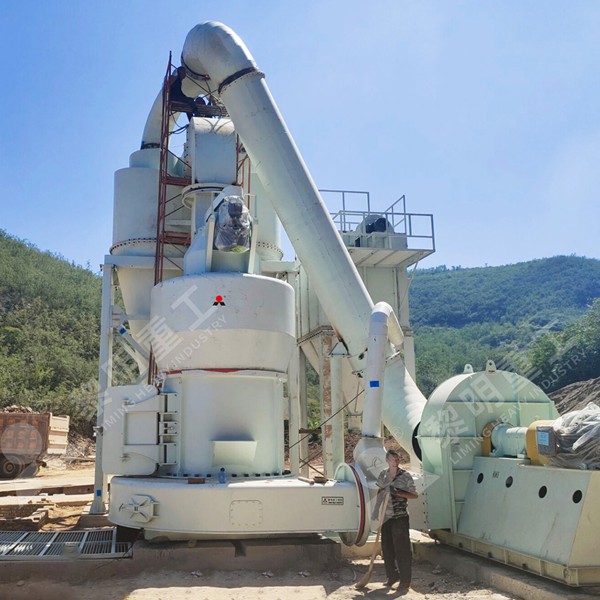 Simultaneously, the grinding rollers and ring are crafted from specialized alloys that reduce friction—a primary source of heat. The mill's intelligent control system constantly monitors bearing temperature and grinding zone conditions, automatically adjusting feed rates and classifier speed to maintain an optimal, cool processing environment. This ensures that even at high fineness levels (typically ranging from 44μm to 613μm), the calcite powder remains chemically stable and physically unaltered.
Processing heat-sensitive calcite requires more than just temperature control; it demands precision in particle size distribution and consistency. Our Raymond Mill excels here through its advanced centrifugal classifier, which allows for real-time adjustment of fineness without stopping the machine. This feature is crucial for producers who supply calcite to different industries with varying specifications. The closed-circuit grinding system, equipped with a high-efficiency pulse dust collector, ensures a dust-free operation and maximizes product yield while maintaining a clean working environment that complies with stringent international environmental standards.
Operational efficiency and reliability are hallmarks of Liming Heavy Industry's design philosophy. The low-temperature Raymond Mill is built for continuous, heavy-duty operation with minimal maintenance requirements. Its robust construction, coupled with accessible design for key components like grinding rolls and shafts, reduces downtime significantly. For large-scale production lines, the mill can be seamlessly integrated with auxiliary equipment such as jaw crushers for primary size reduction, vibrating feeders, and automated packaging systems, creating a cohesive and highly productive processing plant tailored for non-metallic minerals.
The applications for finely ground, high-quality calcite are vast and growing. From acting as a functional filler that improves the mechanical properties and brightness of plastics and paper to serving as a key ingredient in sealants, adhesives, and pharmaceutical tablets, the demand for unadulterated calcite powder is strong. 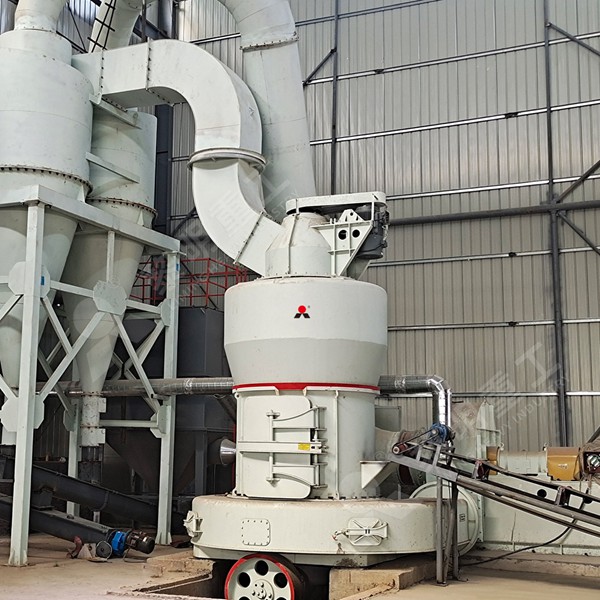 Our mill's ability to deliver this product reliably makes it a cornerstone asset for processors aiming to capture value in these sophisticated markets. By choosing a technology-focused partner like Liming Heavy Industry, clients invest not just in a machine, but in a long-term solution for quality preservation and competitive advantage.
In conclusion, the challenge of processing heat-sensitive calcite without compromising its inherent qualities is effectively met by Liming Heavy Industry's specialized low-temperature Raymond Mill. It represents the culmination of persistent R&D, precision manufacturing, and a customer-centric approach to industrial problem-solving. As the leader in domestic and overseas machinery manufacturing, we remain dedicated to providing innovative grinding solutions that empower our clients to achieve superior product quality, operational excellence, and sustainable growth in their respective fields.
Frequently Asked Questions (FAQs)
1. What is the primary mechanism for temperature control in your low-temperature Raymond Mill?
The system employs a combination of optimized grinding mechanics to reduce friction, a high-volume, intelligent airflow system for rapid heat dissipation, and real-time monitoring with automatic adjustments to feeding and classifying parameters to maintain a consistently low processing temperature.
2. Can this mill handle materials other than calcite?
Absolutely. While optimized for heat-sensitive calcite, it is highly effective for grinding other non-flammable, non-explosive materials with similar heat sensitivity, such as certain grades of gypsum, kaolin, talc, and barite, under 7 Mohs hardness.
3. How does the fineness adjustment work during operation?
Fineness is controlled by an integrated dynamic classifier. The speed of the classifier can be adjusted electronically while the mill is running, allowing operators to change the product fineness between approximately 44μm and 613μm without interrupting production.
4. What are the key maintenance points for ensuring long-term, low-temperature operation?
Regular inspection and lubrication of grinding roller bearings, monitoring of wear on grinding rings and rollers, and ensuring the air circulation system and ducts remain unobstructed are crucial. The mill's design allows for easy access to these key components.
5. How does your mill ensure environmental compliance during calcite processing?
The entire grinding system is a negative pressure, closed-circuit design. It is equipped with a high-efficiency pulse-jet bag dust collector that captures over 99.9% of airborne particles, ensuring emissions are well within national and international environmental protection standards.


