Published: October 26, 2023
Liming Heavy Industry's advanced vertical Raymond mill, specifically engineered for calcite processing, represents a significant leap in grinding technology. By integrating a high-efficiency classifier system directly into the mill structure, this solution delivers unparalleled control over product fineness, enhanced energy efficiency, and a compact footprint. It is designed to meet the rigorous demands of modern non-metallic mineral processing, transforming raw calcite into high-value powders with consistent particle size distribution for applications ranging from plastics and paints to pharmaceuticals and construction materials. This article delves into the technical innovations, operational benefits, and specific advantages this integrated system offers for calcite producers seeking to optimize their production lines.
At the core of this solution is Liming Heavy Industry's deep-rooted expertise in crushing and grinding equipment, developed since its founding in 1987. The company's commitment to scientific R&D and precision manufacturing is embodied in this vertical mill design. Unlike traditional horizontal Raymond mills or basic ball mills, this vertical configuration utilizes a revolutionary grinding mechanism. The mill employs a grinding roller and grinding ring design where the roller presses against the rotating ring under centrifugal force, efficiently crushing the fed calcite. The integrated classifier system is the true differentiator, allowing for real-time, precise separation of fine particles from coarse ones without the need for external, bulky separator units.
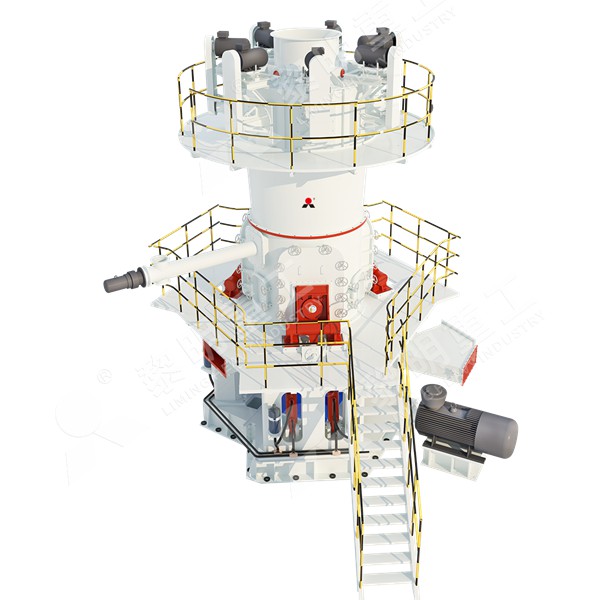
The working principle is a seamless, closed-loop process. Prepared calcite feed (15-25mm) enters the mill and is ground between the roller and ring. The ground material is carried upward by the airflow generated by an internal fan. As the particle-laden air reaches the integrated dynamic classifier, high-precision blades create a sharp cut-point. Particles meeting the target fineness (adjustable between 44μm to 613μm, and finer for specialized models) pass through the classifier and are collected by a downstream cyclone and bag filter. Oversized particles are rejected by the classifier's vortex and fall back to the grinding table for further comminution. This internal recirculation ensures maximum energy efficiency, as power is expended only on material that requires further grinding.
For calcite processing, the benefits are substantial. The integrated system provides exceptional stability in product fineness, crucial for meeting stringent industry specifications. The ability to quickly adjust the classifier speed allows operators to produce different grades of calcium carbonate powder (from coarse fillers to fine coatings) with minimal downtime. Furthermore, the vertical design with integrated components results in a significantly smaller plant layout compared to systems with separate classifiers and conveyors. The entire grinding, drying (if equipped with a hot air generator), classifying, and conveying process occurs within a single, cohesive unit, reducing installation complexity and potential points of failure.
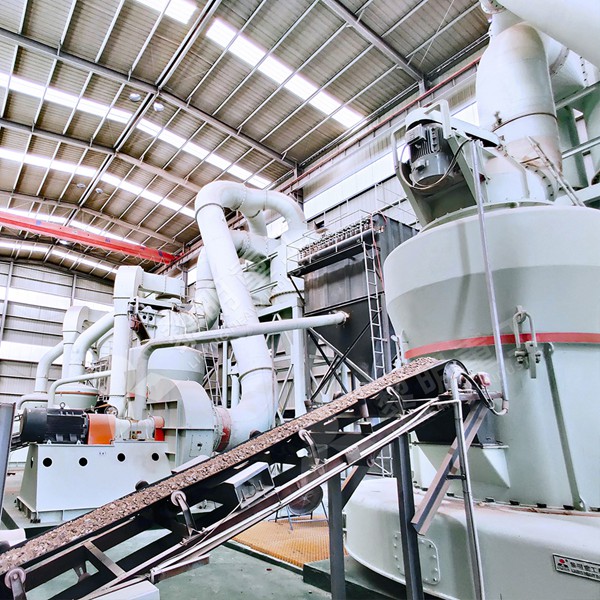
Operational efficiency is another hallmark. The vertical Raymond mill's grinding mechanism consumes less energy per ton of product compared to traditional ball mills, especially for fine grinding applications. The closed-circuit system with internal classification minimizes over-grinding, which not only saves energy but also prevents the generation of ultra-fines that can be detrimental to product quality. Liming Heavy Industry's modern electrical control system automates the entire process, from feed rate to classifier speed and internal temperature, ensuring optimal performance and consistent output quality with minimal manual intervention.
In summary, Liming Heavy Industry's Vertical Raymond Mill with Integrated Classifier System is a purpose-built, technologically advanced answer for the modern calcite processing industry. It combines robust grinding performance with intelligent classification in a space-saving design, driving productivity, product quality, and energy savings. It reflects the company's philosophy of "scientific research tackling key problems" and "technological improvement," offering a reliable and future-proof asset for producers aiming to excel in a competitive market.
Frequently Asked Questions (FAQ)
Q1: What is the primary advantage of an integrated classifier over an external one?
A1: The integrated classifier eliminates the need for external ducts, cyclones, and elevators for coarse material return, creating a more compact system, reducing pressure drop and energy loss in the circuit, and improving overall process stability and control responsiveness.
Q2: Can this mill handle moist calcite feedstock?
A2: Yes, the mill can be equipped with an integrated hot air generation system. This allows simultaneous drying and grinding, effectively processing calcite with moisture content, making it a versatile solution for various raw material conditions.
Q3: How is the fineness of the final calcite powder controlled?
A3: Fineness is precisely controlled by adjusting the rotational speed of the integrated dynamic classifier. A higher speed creates a finer cut-point, while a lower speed allows coarser particles to pass. This adjustment can be made easily via the central control system.
Q4: What is the typical capacity range for calcite processing with this mill?
A4: While capacity depends on desired fineness and feed characteristics, our vertical Raymond mill series for minerals like calcite offers a broad capacity range, typically from several tons per hour up to medium-scale industrial throughput, ensuring a model fits various production needs.
Q5: How does the maintenance for the integrated system compare to a traditional setup?
A5: The integrated design simplifies maintenance by consolidating key components. Wear parts like grinding rollers and rings are accessible, and the classifier's design minimizes wearing parts. Overall, the reduced number of external components (like bucket elevators and external piping) leads to lower long-term maintenance requirements.


