Published on: October 26, 2023
This article provides a detailed technical specification and operational overview of the 4R3216 Limestone Raymond Mill, a cornerstone grinding solution from LIMING HEAVY INDUSTRY CO., LTD. Designed for efficient processing of non-explosive, non-flammable materials with Mohs hardness under 7 and humidity below 6%, this mill is engineered for reliability in producing fine powders between 44μm and 613μm. We will explore its core design principles, optimal applications in limestone and related industries, key performance metrics, and its integration within modern, environmentally conscious production lines.
Forged from over three decades of precision manufacturing and scientific research at LIMING HEAVY INDUSTRY, the 4R3216 Raymond Mill embodies a legacy of innovation. Since its founding in 1987, the company has dedicated itself to advancing crushing and grinding technology, operating from its extensive facilities in Zhengzhou's HI-TECH Industry Development Zone. The mill is a direct product of this commitment to "scientific research tackling key problems" and "technological improvement," developed by a mature R&D team focused on industry frontiers.
The 4R3216 model is specifically tailored for minerals grinding in metallurgy, construction materials, chemicals, and mining. Its robust construction ensures stable performance for processing materials like limestone, gypsum, barite, calcite, and activated carbon. The mill's design integrates drying, grinding, powder selection, and conveying into a cohesive, automated system, significantly streamlining production workflows.
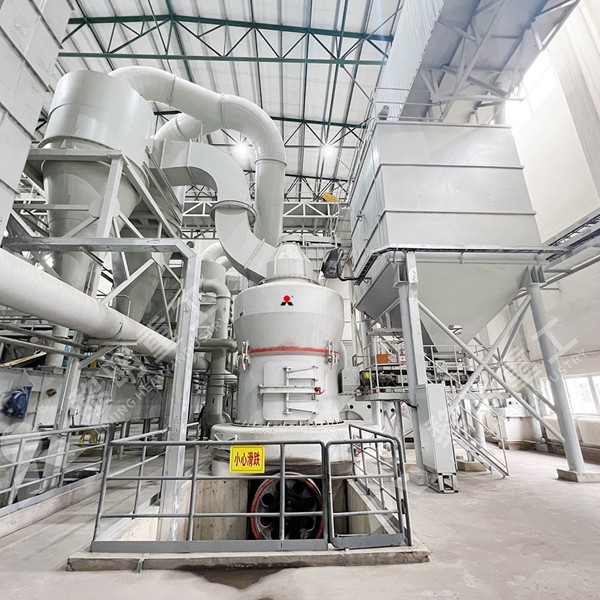
Core Working Mechanism
Operation begins with jaw-crushed material, fed uniformly via a vibrating feeder into the grinding chamber. Here, the central drive shaft causes the grinding roller to swing outward and press against the grinding ring under centrifugal force. As the roller rolls, materials are crushed. The ground powder is carried upward by the air flow from the blower to the classifier. Oversized particles are rejected and fall back for regrinding, while qualified fine powder passes through and is collected by the cyclone collector or bag filter as the final product. This closed-circuit system, equipped with a pulse dust collector, ensures high collection efficiency and complies with stringent environmental standards, minimizing dust emission.
Technical Specifications and Performance
The "4R" denotes four grinding rollers, and "3216" refers to the diameter and height of the grinding ring (320mm diameter, 160mm height). This configuration delivers a balanced combination of grinding force and throughput. The mill handles an input size of 15-25mm and offers a typical capacity range of 1.2 to 4.5 tons per hour, though this can vary based on material characteristics and desired fineness. The fineness of the finished product is adjustable within a wide spectrum, from 44 microns (325 mesh) up to 613 microns (30 mesh), allowing precise control to meet diverse customer requirements for limestone powder used in applications like animal feed, soil conditioning, or industrial fillers.
System Integration and Advantages
The 4R3216 is more than a standalone grinder; it is the heart of a complete system. A typical production line includes the mill, jaw crusher, elevator, vibrating feeder, classifier, blower, cyclone collector, bag-type dust collector, and piping. This integrated approach, managed by an automated electric control cabinet, guarantees operational stability and ease of maintenance. Key advantages include its durable wear-resistant parts, which extend service life, its energy-efficient design that reduces power consumption per ton of output, and its low vibration and noise levels, contributing to a better working environment.
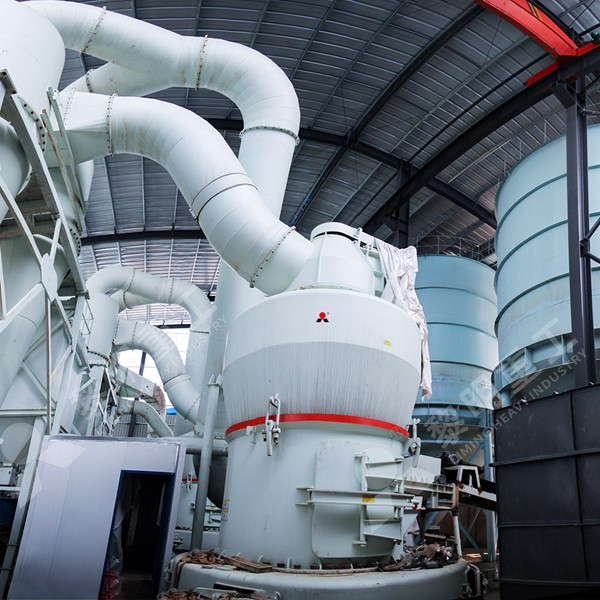
For limestone processing, the 4R3216 Raymond Mill is particularly effective. It produces uniformly sized powder crucial for manufacturing precipitated calcium carbonate (PCC), desulfurization processes in power plants, and as a raw material in glass, steel, and construction. Its ability to maintain consistent quality under continuous operation makes it a preferred choice for medium-scale production facilities seeking to enhance their powder-making capabilities with proven, reliable technology.
LIMING HEAVY INDUSTRY's dedication to after-sales support and providing comprehensive technical solutions ensures that each 4R3216 mill is not just a piece of equipment but a long-term partner in productivity. By choosing this mill, operators invest in a system built on a foundation of industrial expertise, designed for precision, and committed to sustainable, efficient mineral processing.
Frequently Asked Questions (FAQ)
- What is the primary difference between the 4R3216 Raymond Mill and an MTW European Type Grinding Mill?
The 4R3216 is a traditional Raymond mill design known for its reliability and simplicity in grinding mid-hardness materials to a fine powder. The MTW European Type Grinding Mill is an advanced upgrade featuring a curved shovel blade, internal lubricating system, and conical grinding roller design, offering generally higher capacity, better energy efficiency, and finer output for large-scale powder making. - Can the 4R3216 mill process materials with moisture content higher than 6%?
For optimal grinding performance and to prevent clogging, the recommended feed material humidity is below 6%. If the material has higher moisture, a separate dryer must be installed upstream in the production line to precondition the feed before it enters the grinding chamber. - How often do the grinding rollers and ring need replacement?
Wear life depends entirely on the abrasiveness of the processed material. For standard limestone, these high-chrome or manganese steel wear parts can last several thousand hours. Regular inspection of thickness and grinding fineness is recommended to schedule maintenance proactively. - Is the system truly environmentally friendly?
Yes. The closed-circuit grinding system, coupled with an efficient pulse-jet bag dust collector or cyclone collector, ensures that dust emissions are controlled well within national and international environmental protection standards, making it a clean operation. - What level of automation does the 4R3216 mill system support?
The system is equipped with a centralized electric control cabinet that allows for start/stop sequencing and monitoring of key motors. While it provides stable operation with basic controls, it can be integrated with more advanced PLC systems for full automation, remote monitoring, and data logging based on customer requirements.


