Published: October 26, 2023
The evolution of India's heavy calcium carbonate industry demands smarter, more efficient, and environmentally conscious milling solutions. For modern factories aiming to optimize production of high-quality calcium powder for plastics, paints, paper, and construction, selecting the right grinding technology is paramount. Among the array of equipment, the Raymond Mill, particularly its advanced iterations, stands out as a cornerstone for reliable and precise processing. This article explores how contemporary Raymond Mill technology, as developed and refined by industry leaders like Liming Heavy Industry, aligns with the needs of India's next-generation heavy calcium plants, focusing on operational intelligence, energy efficiency, and superior product fineness control.
India's vast reserves of high-calcium limestone present a significant opportunity for value-added mineral processing. The transformation of raw limestone into fine and ultra-fine heavy calcium carbonate (GCC) powder is a core activity for numerous industries. Traditional grinding methods often fall short in terms of energy consumption, particle size distribution control, and system automation. This is where the modern Raymond Mill, a technology with a legacy now enhanced by decades of innovation, proves its enduring relevance. It offers a balanced solution for producing powders in the 44μm to 613μm (approximately 325 to 30 mesh) range, which covers a vast majority of industrial applications for fillers and extenders.
Liming Heavy Industry, with over three decades of dedicated research and manufacturing in crushing and grinding equipment, has continuously evolved the Raymond Mill design. The company's philosophy of integrating "scientific research tackling key problems" with precision manufacturing has led to mills that are not merely tools but integrated processing systems. For a smart factory, the mill is a data point and a controllable process node. Modern Raymond Mills from experienced manufacturers feature advanced electrical control systems that allow for remote monitoring, adjustment of grinding parameters, and integration with plant-wide automation networks. This transforms the milling operation from a manual, experience-dependent task into a digitally managed, repeatable process.
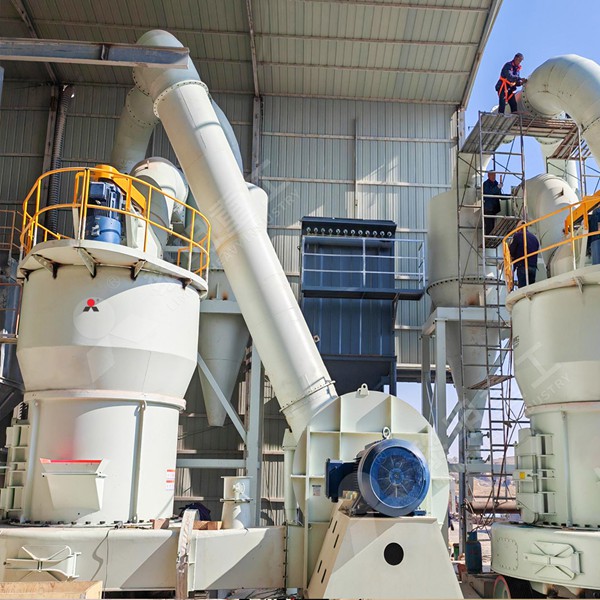
A critical advantage for Indian factories is energy efficiency. The power-intensive nature of grinding makes operational costs a major concern. Advanced Raymond Mill designs incorporate optimized grinding mechanisms and efficient centrifugal classifiers that minimize over-grinding—a primary source of energy waste. The closed-circuit system with an integrated high-efficiency separator ensures that only properly sized material leaves the grinding chamber, while coarse particles are recirculated. This not only saves energy but also produces a more consistent product with a tight particle size distribution, a key quality metric for heavy calcium carbonate used in premium applications like paper coating or high-grade PVC.
Furthermore, the push for greener industrial practices is strong in India. Smart factories are evaluated on their environmental footprint. Contemporary Raymond Mill systems are designed as negative-pressure operations, effectively containing dust within the milling circuit. They are routinely equipped with high-efficiency pulse jet baghouse dust collectors, ensuring that emissions are well below statutory limits. This closed, clean design protects the health of workers, minimizes product loss, and aligns with global sustainability standards, making it easier for Indian producers to supply both domestic and international markets with environmentally responsible products.
When considering heavy calcium processing, the choice of mill also depends on the desired final fineness. While Raymond Mills excel in the coarse to fine grinding spectrum, Liming Heavy Industry's portfolio offers complementary solutions for broader needs. For instance, their MTW European Type Trapezium Mill, an evolution of the traditional Raymond Mill, offers larger capacity and enhanced stability for high-volume production lines. For ultra-fine powders beyond the typical Raymond Mill range, the MW Micro Powder Mill, utilizing advanced grinding technology, can achieve fineness up to 3250 mesh (5μm). This allows a smart factory to design a complete, tiered grinding circuit with equipment from a single, reliable supplier, ensuring compatibility and streamlined after-sales support.
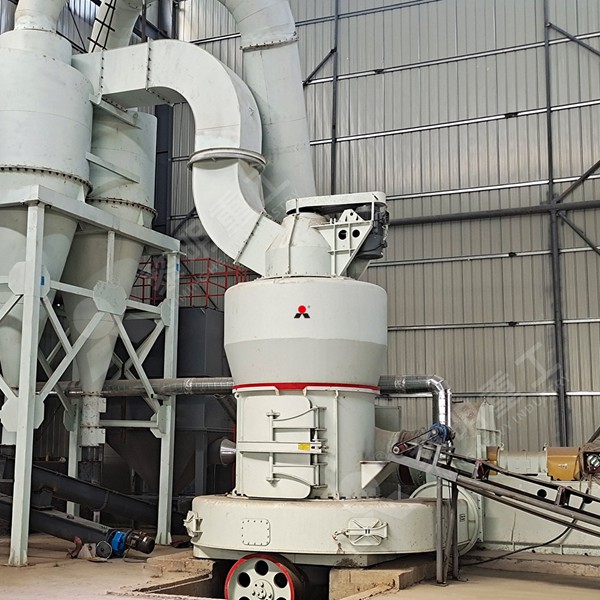
Reliability and ease of maintenance are non-negotiable for minimizing downtime in a continuous operation. The robust construction of premium Raymond Mills, with wear-resistant materials in critical grinding components like rollers and rings, extends service intervals. Moreover, the modular design of modern mills simplifies access for inspection and part replacement. For Indian factories, which may face challenges with consistent technical support, partnering with a manufacturer like Liming Heavy Industry, which provides comprehensive technical documentation, training, and a global parts supply network, is a strategic decision that safeguards long-term productivity.
In conclusion, for Indian entrepreneurs and corporations investing in smart heavy calcium carbonate factories, the Raymond Mill is far from obsolete; it is a technologically mature, continuously improved, and intelligently adaptable solution. Its integration of automated controls, energy-saving design, environmental protection features, and proven grinding performance makes it an ideal workhorse for building a competitive and sustainable mineral processing business. By selecting advanced milling technology from established engineering partners, Indian industry can ensure it meets the quality demands of the future while operating efficiently and responsibly today.
Frequently Asked Questions (FAQs)
- What is the typical moisture and hardness limit for materials processed by a Raymond Mill?
Raymond Mills are generally suitable for processing non-flammable and non-explosive materials with a Mohs hardness under 7 and a moisture content below 6%. For materials with higher moisture, integrated drying systems may be required. - How does a Raymond Mill contribute to a 'smart' factory setup?
Modern Raymond Mills come with automated electric control systems that enable remote monitoring, real-time adjustment of fineness and feed rate, and seamless data integration with central plant management systems for optimized, data-driven production. - Can a single Raymond Mill handle the entire range of fineness required for different heavy calcium products?
While versatile, a standard Raymond Mill typically produces powder between 44μm and 613μm. For a wider range, especially into the ultra-fine spectrum, a combination with a micro powder grinding mill might be recommended as part of a complete plant design. - What are the key maintenance points for ensuring long-term reliability of a Raymond Mill?
Regular inspection and replacement of grinding rollers and rings, checking and lubricating the central gearbox, ensuring the proper operation of the classifier, and maintaining the integrity of the dust collection system are crucial for sustained performance. - How does the environmental performance of a modern Raymond Mill system compare to older models?
Contemporary systems operate under negative pressure and are paired with high-efficiency pulse dust collectors, drastically reducing particulate emissions to well within environmental compliance standards, unlike older open-circuit designs.


