Published: October 26, 2023
An Annual Maintenance Contract (AMC) for a heavy calcium carbonate Raymond mill production line is not merely a service agreement; it is a strategic partnership for sustained operational excellence. For industries reliant on the consistent, high-quality output of fine powders—from plastics and paints to pharmaceuticals and paper—downtime is not an option. Drawing from over three decades of engineering prowess at Liming Heavy Industry, this article delves into the critical components, benefits, and technical considerations of a comprehensive AMC. We will explore how a well-structured maintenance plan, backed by deep OEM knowledge of grinding mechanics, system integration, and wear-part dynamics, transforms a routine service into a powerful tool for maximizing uptime, protecting capital investment, and ensuring the production line consistently meets the stringent fineness (613μm ~ 44μm) and throughput specifications required for heavy calcium processing.
At the heart of any effective maintenance strategy is a profound understanding of the machine's anatomy and its operating context. The Raymond mill, particularly for abrasive materials like heavy calcium carbonate, is a system of precision interdependence. The grinding ring and rollers, the classifier, the pneumatic conveying system, and the dust collection unit all work in concert. An AMC from the original manufacturer, such as Liming Heavy Industry, leverages proprietary insights into the wear patterns of these components. Our engineers, who design and build these systems in our 80,000 m² Zhengzhou facility, know precisely how the grinding pressure, airflow velocity, and feed rate interact. This allows for predictive maintenance scheduling—replacing wear parts like grinding rolls before failure occurs, calibrating the classifier blades to maintain particle size distribution, and cleaning the cyclone separators to ensure optimal efficiency. This proactive approach is far removed from reactive breakdown repairs.
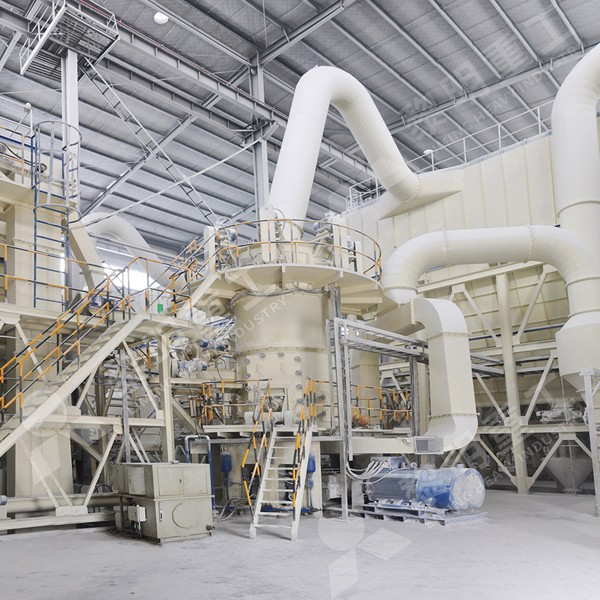
The scope of a professional AMC extends beyond the mill itself to encompass the entire production line. As detailed in our technical principles, a complete system includes the jaw crusher for primary size reduction, variable-frequency feeders, elevators, and sophisticated dust collectors like pulse jet baghouses. A holistic contract ensures synchronized maintenance. For instance, improper feed size from the crusher can drastically increase load on the grinding rolls. Our service teams perform line-wide diagnostics, checking crusher jaw gaps, feeder calibration, and dust collector filter integrity. This system-wide vigilance prevents cascading failures. Furthermore, with our commitment to "scientific research tackling key problems," an AMC often includes minor technological upgrades. This could be the installation of a more durable alloy for a specific wear part based on the mineralogy of your calcium source or a software update to the automatic electric control system for better process stability.
Operational safety and environmental compliance are non-negotiable pillars of modern industry. A comprehensive AMC directly addresses these concerns. Regular inspection and testing of electrical cabinets, motors, and transmission guards are standard. More critically, the maintenance of the environmental protection system is paramount. The pulse dust collector, essential for meeting national emission standards, requires regular diaphragm valve checks, bag replacement, and hopper inspection to prevent leaks. By ensuring this subsystem operates at peak efficiency, the AMC safeguards your plant's license to operate and protects worker health. It aligns with Liming Heavy Industry's core philosophy of developing machinery that is not only productive but also responsible, turning "production, learning and research" into tangible, on-site best practices.
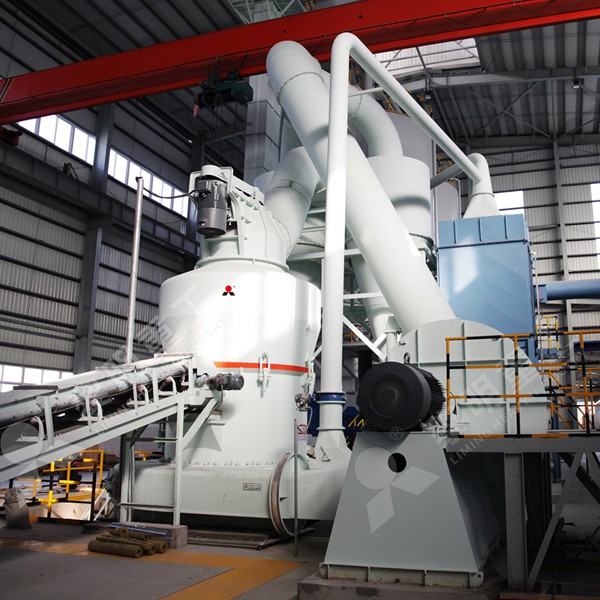
Ultimately, the value proposition of an AMC is measured in metrics: Mean Time Between Failures (MTBF), Overall Equipment Effectiveness (OEE), and total cost of ownership. Unplanned stoppages for a Raymond mill line can cost tens of thousands per hour in lost production. A fixed-cost AMC converts unpredictable, potentially large repair bills into a predictable operational expense. It ensures access to genuine spare parts—from grinding rollers to classifier motors—directly from the manufacturer, eliminating compatibility issues and performance degradation from counterfeit components. Perhaps most importantly, it provides a direct line to the OEM's technical support and R&D team. This connection offers peace of mind, knowing that the experts who engineered your solution are actively involved in its lifelong care, aiming "at the technological frontier of the industry" to keep your assets performing.
Frequently Asked Questions (FAQ)
Q1: What is typically included in the scheduled visits under an AMC?
A: Scheduled visits usually include comprehensive inspection of grinding components (rollers, rings), classifier alignment, lubrication system service, drive belt tension checks, electrical system diagnostics, airflow and pressure measurements, and performance validation of auxiliary equipment like feeders and dust collectors.
Q2: How does the AMC handle emergency breakdowns outside of scheduled visits?
A: A premium AMC includes a defined response time guarantee for emergency support. This often involves priority dispatch of field engineers, expedited shipping of critical spare parts from the manufacturer's stock, and remote troubleshooting assistance to minimize downtime.
Q3: Are wear-and-tear parts like grinding rollers included in the contract cost?
A> This varies. Most AMCs are structured with a base contract covering labor, travel, and routine inspections. Major wear parts like grinding rollers and rings are typically covered under a separate consumption parts agreement or are billed as used, but often at a preferential, pre-negotiated rate.
Q4: Can the AMC be customized for our specific production volume and material hardness?
A> Absolutely. A key advantage of an OEM AMC is customization. The maintenance frequency, focus areas, and spare parts inventory recommendations are tailored based on your annual operating hours, the specific abrasiveness of your calcium carbonate source, and your target fineness, ensuring the plan is cost-effective for your unique operation.
Q5: What kind of reporting and documentation should we expect after each service?
A> Professional service reports are a critical deliverable. These should include detailed findings, measurements of component wear (e.g., roller thickness), performed actions, recommendations for future attention, updated system performance data, and a log of replaced parts with serial numbers for full traceability.


