Published: October 26, 2023
This comprehensive training program, developed by Liming Heavy Industry Co., Ltd., is designed to equip operators with the essential knowledge and practical skills required to safely, efficiently, and optimally run Raymond Mill and related grinding equipment for heavy calcium carbonate processing. The curriculum blends foundational mechanical principles with hands-on operational procedures, preventative maintenance protocols, and troubleshooting techniques specific to our advanced milling systems, ensuring maximum productivity, product quality, and equipment longevity.
At the core of our philosophy is the understanding that even the most sophisticated machinery is only as effective as the personnel operating it. Founded in 1987, Liming Heavy Industry has built its reputation on "precision manufacturing, pioneering and innovation," developing a mature scientific research team dedicated to technological frontiers. Our Raymond Mill series, including the traditional Raymond Mill, the upgraded MTW European Type Grinding Mill, and the superfine MW Micro Powder Mill, represent this commitment. Each is engineered for specific applications within the non-metallic mineral sector, particularly heavy calcium carbonate, but their performance is ultimately unlocked through skilled operation. This program translates our three decades of engineering expertise into actionable operator competency.
The training begins with a deep dive into Fundamental Principles and System Knowledge. Operators must move beyond simple button-pushing to comprehend the integrated workflow. We start with the complete system overview, as exemplified by the MTW European grinding line. Trainees learn how the jaw crusher pre-processes raw limestone, how the vibrating feeder ensures consistent material flow into the mill, and the critical roles of the separator, air blower, and pulse dust collector. Understanding this closed-circuit system—where air and material flow are meticulously balanced—is paramount. The heart of the process, the grinding mechanism itself, is explored in detail: how materials are ground between the rollers and the ring, carried upward by the air current, classified by the separator, with oversized particles recycled for further grinding.
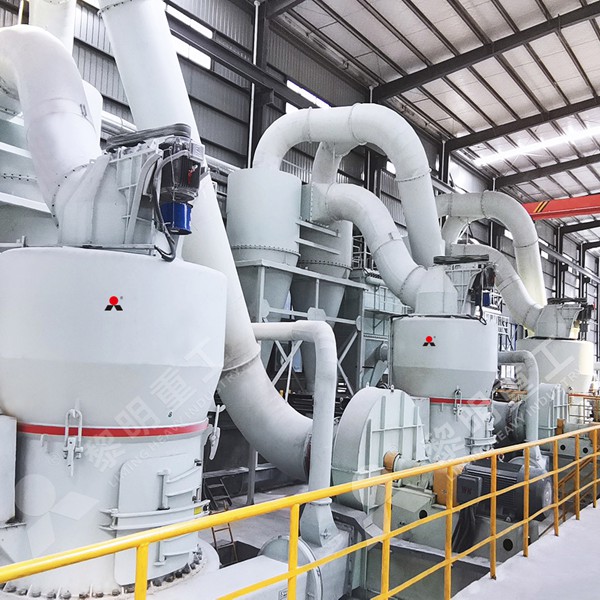
Following theory, the program transitions to Pre-Operational Checks and Startup Procedures. Safety is the non-negotiable first step. This module covers lockout-tagout (LOTO) practices, inspection of mechanical components like grinding rollers and rings for wear, verification of lubrication levels in gearboxes, and checks on the integrity of electrical connections and the pulse dust collector's filter bags. For the Raymond Mill, special attention is paid to ensuring the feed material meets specifications (typically under 7 Mohs hardness and 6% humidity for optimal performance). The sequential startup procedure—from auxiliary equipment like the crusher and feeder to the main mill motor and classifier—is drilled to prevent equipment damage from improper sequencing.
The most extensive module focuses on In-Process Operation, Monitoring, and Adjustment. Here, operators learn to "listen" and "feel" the mill. They are trained to monitor key parameters: the amperage draw of the main motor (indicative of grinding load), the pressure differential across the grinding chamber, the temperature of bearings and outgoing product, and the sound of the grinding operation. Adjusting the classifier speed on the Raymond Mill or MTW Mill to control product fineness (between 44μm to 613μm, or finer for the MW Micro Powder Mill) is a critical skill. Trainees practice responding to fluctuations in feed rate or material hardness by fine-tuning feeder speed and grinding pressure. The goal is to maintain a stable, efficient operation that delivers the specified heavy calcium carbonate powder fineness (such as d97 ≤ 5μm for premium applications using the MW mill) at the rated capacity.
Routine Maintenance and Troubleshooting form the backbone of sustainable operation. Our training emphasizes preventative care over reactive repair. Daily tasks include lubrication checks and cleaning of air filters. Weekly and monthly schedules involve inspecting and replacing wear parts like grinding rolls and blades, checking belt tensions, and calibrating instruments. We equip operators with a diagnostic framework for common issues: for instance, a drop in output or coarsening of product could indicate worn rollers, a blocked air filter, or incorrect classifier speed; unusual vibration may point to imbalanced wear or bearing issues. Operators learn systematic steps to identify root causes, leveraging the equipment's design for accessibility and maintenance pioneered by our R&D philosophy.
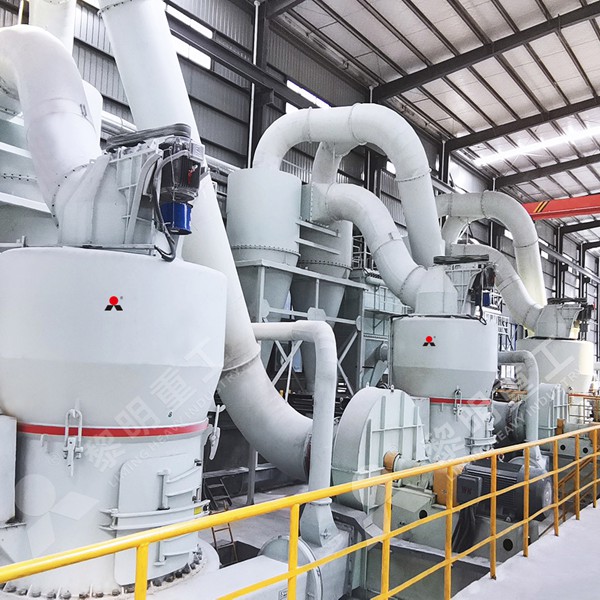
Finally, the program dedicates significant time to Safety, Environmental Compliance, and Best Practices. Operating heavy industrial equipment carries inherent risks. Training covers personal protective equipment (PPE), safe work procedures around moving parts and during maintenance, and emergency shutdown protocols. Given that our mills are designed with integrated pulse dust collectors to meet environmental standards, operators are instructed on monitoring dust collection efficiency, ensuring no visible emissions, and properly handling collected powder. Best practices for record-keeping, including operational logs, maintenance records, and product quality data, are also instilled to facilitate continuous improvement and traceability.
Upon completion, operators will not merely run the equipment; they will be stewards of it. They will possess the holistic understanding needed to maximize the potential of Liming Heavy Industry's Raymond Mill equipment, ensuring reliable production of high-quality heavy calcium carbonate powder while upholding the highest standards of safety, efficiency, and environmental responsibility—a true extension of our corporate mission to lead through scientific research and technological innovation.
Frequently Asked Questions (FAQ)
- What is the most critical daily check for a Raymond Mill processing heavy calcium?
The most critical daily checks are the lubrication status of all bearings and gearboxes, and the inspection of the grinding roller and ring for abnormal wear or damage, as these directly impact grinding efficiency and product fineness. - How does the MTW European Type Mill differ from a traditional Raymond Mill in operation?
The MTW Mill features a more advanced curved shovel blade for better feed and a more efficient separator. Operationally, it often allows for a wider adjustment range of fineness and higher throughput, but the core monitoring parameters (motor amperage, grinding pressure, classifier speed) remain similarly vital. - What should an operator do first if the mill's output suddenly decreases?
First, check the feed system for blockages or inconsistent feed rate. Then, inspect the air flow by looking at the bag dust collector's pressure gauge; a blocked filter can restrict air, reducing capacity. Finally, assess the wear condition of the grinding components. - Can the same operator training apply to the MW Micro Powder Mill for superfine calcium carbonate?
The foundational principles of safety, system understanding, and maintenance are identical. However, specific training on the MW mill's internal classifier system, its sensitivity to feed moisture, and the procedures for achieving and maintaining sub-10-micron fineness requires an additional, specialized module. - Why is controlling feed material humidity below 6% so important for Raymond Mills?
Excessive moisture causes material to adhere to the grinding chamber and feeding pipes, leading to poor flow, increased energy consumption, reduced throughput, and potential blockages. It can also compromise the efficiency of the air-classification system and the final product's dryness.


