Published: October 26, 2023
This article explores the critical challenge of reducing iron content in heavy calcium carbonate powder production and presents a comprehensive optimization strategy for Raymond Mill systems. Drawing upon the extensive engineering expertise and product portfolio of Liming Heavy Industry, we detail how targeted modifications to grinding mechanics, material handling, and system configuration can significantly minimize iron contamination. The discussion covers the selection of wear-resistant materials, the integration of advanced magnetic separation technologies, and operational best practices, all aimed at enhancing product purity for high-value applications in plastics, paints, and coatings without compromising mill efficiency or output.
The production of high-purity heavy calcium carbonate powder demands stringent control over impurities, with iron content being a primary concern. Excessive iron can adversely affect the whiteness, chemical stability, and performance of the final product in sensitive applications. For operators utilizing Raymond Mill technology—a workhorse in mineral processing for its reliability and efficiency—addressing this issue requires a systematic approach to the entire grinding circuit.
At Liming Heavy Industry, our decades of experience in manufacturing and optimizing grinding equipment, including our advanced Raymond Mill series, have provided deep insights into contamination pathways. Iron introduction typically occurs through three main channels: wear of grinding components (rollers, rings), contamination from raw material handling systems (crushers, feeders), and inherent impurities in the feedstock. A holistic optimization plan must address all three.
1. Core Grinding Zone Material Upgrade
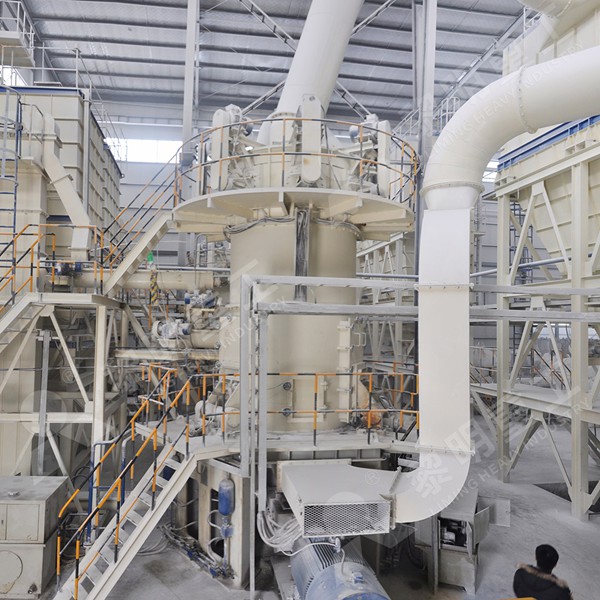
The most direct source of iron contamination is the abrasion of the grinding rollers and ring. Standard high-manganese steel components, while durable, continuously shed microscopic iron particles into the product stream. The first line of defense is upgrading these critical parts to specialized wear-resistant alloys or ceramic-composite materials. Liming's engineering team can specify and supply rollers and rings lined with high-chromium alloy or ceramic inserts, which exhibit exceptional hardness and significantly lower wear rates. This directly reduces the iron wear debris generated during the grinding of hard calcium carbonate ore.
2. Integration of In-Line Magnetic Separation
Optimization extends beyond the mill itself to the entire material preparation and conveying system. Installing high-intensity magnetic separators at strategic points is highly effective. A primary magnetic roll or plate separator should be placed after the jaw crusher and before the storage hopper to remove tramp iron from the feedstock. Crucially, a second, often more powerful, magnetic separator should be integrated into the pneumatic conveying pipeline immediately after the grinding chamber and before the powder collector (cyclone/bag filter). This captures fine iron particles generated from wear *during* the grinding process, acting as a final purification stage.
3. System Configuration and Airflow Management
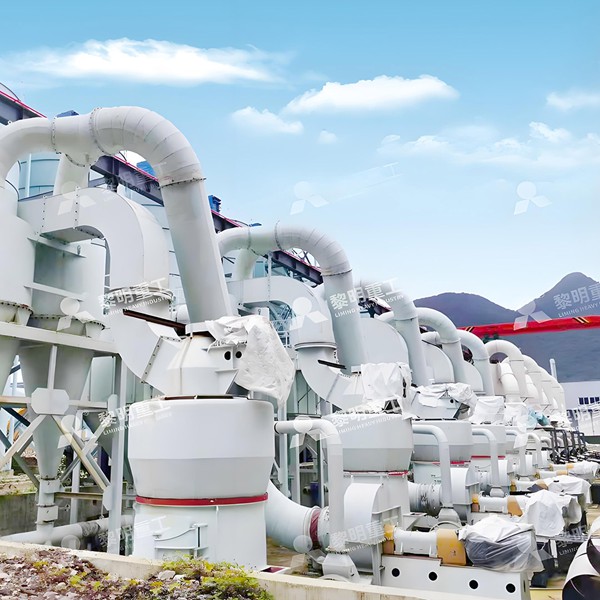
The design of the Raymond Mill system itself influences contamination. A closed-circuit, negative-pressure system, standard in modern setups, prevents dust leakage and external contamination. Proper maintenance of this seal is vital. Furthermore, optimizing the airflow velocity and classifier speed (in models with dynamic classifiers) ensures that only properly ground, fine particles are carried to the collection unit. This prevents the recirculation of coarse, abrasive particles that can accelerate wear on grinding components, indirectly controlling iron generation. Regular inspection and replacement of system components like pipeline elbows and cyclone liners, which can also wear, are part of a comprehensive maintenance protocol.
4. Operational Best Practices and Monitoring
Technical upgrades must be supported by sound operational practices. Implementing a strict preventative maintenance schedule for inspecting and measuring wear on grinding components allows for timely replacement before excessive contamination occurs. Regularly sampling and testing the powder product for iron content (e.g., using XRF analysis) provides data to correlate with operational parameters and component wear, enabling predictive maintenance. Additionally, ensuring the feedstock is consistently within the recommended feed size (15-25mm for our Raymond Mill) prevents overloading and reduces stress on the grinding mechanism.
For producers seeking the highest purity levels, Liming Heavy Industry also offers complementary technologies. Our MTW European Type Grinding Mill, an advanced evolution of the traditional Raymond mill, features a more sophisticated gearbox and grinding curve design that can promote cleaner particle-on-particle grinding. For ultra-fine heavy calcium carbonate (d97 ≤ 5μm), our MW Micro Powder Mill, with its unique grinding ring and roller design and lower mechanical impact, presents another excellent option where minimizing metallic contamination is paramount.
In conclusion, reducing iron content in heavy calcium powder is an achievable goal through a multi-faceted optimization of the Raymond Mill system. By combining upgraded, low-wear materials, strategic integration of magnetic separation technology, meticulous system management, and data-driven operations, producers can significantly enhance product quality. Liming Heavy Industry is committed to partnering with customers through this optimization journey, providing not only high-performance equipment but also the technical expertise and support necessary to meet the most demanding purity specifications in the market today.
Frequently Asked Questions (FAQs)
Q1: Can these optimizations be retrofitted to my existing Raymond mill, or do I need a new machine?
A: Most key optimizations, such as upgrading grinding rollers/rings to specialized alloys and installing in-line magnetic separators, are designed as retrofits for existing machinery. Liming's technical service team can assess your current setup and recommend a tailored retrofit plan to minimize downtime and investment while achieving your purity goals.
Q2: How much reduction in iron content can I realistically expect from these measures?
A: The actual reduction depends on the initial contamination sources and levels. However, a well-executed optimization plan combining wear-resistant materials and multi-stage magnetic separation can typically reduce iron content introduced by the grinding process by 60% to 80%, often bringing final product specifications well within the requirements for premium applications like PVC pipes or high-grade paper coating.
Q3: Do ceramic grinding components last as long as traditional steel ones?
A> Advanced ceramic-composite liners are engineered for exceptional wear resistance in abrasive environments like calcium carbonate grinding. While their initial cost may be higher, their service life often exceeds that of standard manganese steel, leading to lower long-term wear costs, significantly less contamination, and reduced frequency of shutdowns for part replacement.
Q4: Will adding magnetic separators and other components affect the mill's throughput or energy efficiency?
A: Properly sized and integrated magnetic separators have a negligible impact on system airflow and pressure drop. In fact, by protecting downstream equipment and maintaining cleaner grinding mechanics, they can contribute to stable, efficient operation. The primary energy consumer remains the grinding mill itself, and optimizations that reduce recirculation of coarse material can even improve specific grinding energy consumption.
Q5: Beyond iron, can this approach help reduce other metallic contaminants?
A: Absolutely. The core principle of using low-wear materials and magnetic separation applies to all ferrous (iron-based) contaminants. For non-ferrous metals, the wear-resistant material upgrade is still highly effective in minimizing introduction, though magnetic separation will not capture them. A focus on overall system sealing and feedstock purity is key for controlling non-ferrous contamination.


