Published on: October 26, 2023
Effective spare parts inventory management is a critical, yet often overlooked, component of maximizing the operational uptime and long-term profitability of calcite processing operations utilizing Raymond Mill technology. For users of LIMING HEAVY INDUSTRY's Raymond Mills—renowned for grinding non-metallic minerals like calcite under 7 Mohs hardness—proactive parts strategy transcends simple maintenance; it is a strategic investment in continuous production flow, cost control, and asset longevity. This article outlines a professional framework for inventory management, tailored to the wear patterns and operational demands of calcite grinding, drawing on the engineering principles and robust design of reliable milling equipment.
The foundation of any effective inventory plan is a deep understanding of the grinding system and its critical components. In a Raymond Mill system processing calcite, materials are ground between the grinding ring and rollers. This continuous abrasive action makes these components primary wear parts. The system's closed-circuit airflow, involving the blower, piping, and separator, also contains elements subject to wear from fine powder abrasion. A structured inventory approach categorizes parts into three tiers: Critical Wear Parts (grinding rollers, grinding rings), Core System Components (blower blades, shaft assemblies, journal heads), and Consumables & Seals (bolts, gaskets, lubricants). Prioritization is based on failure impact on downtime and part lead time.
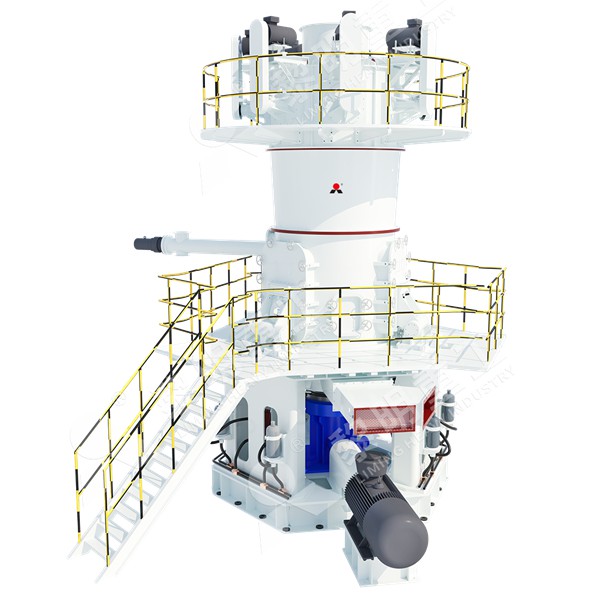
Implementing a data-driven management system is paramount. Instead of reactive or calendar-based ordering, adopt a condition-based model. Track the operational hours and tonnage processed for each critical wear part. LIMING HEAVY INDUSTRY's design specifications and capacity data (e.g., 1.2-4.5T/H for Raymond Mills) provide a baseline. By recording the actual calcite feed characteristics and output, users can develop a historical wear rate specific to their operation. This data informs Minimum/Maximum (Min/Max) inventory levels. The minimum stock level is the safety buffer to cover lead time for a new order, while the maximum level prevents overstocking and capital tie-up. For a high-wear part like a grinding roller, the minimum stock might be one full set, while for a longer-life blower shaft, it might be zero with a confirmed lead time agreement.
Strategic sourcing and supplier relationship management form the backbone of this strategy. Establishing a partnership with the original equipment manufacturer (OEM) ensures part compatibility, quality, and reliable technical data. LIMING HEAVY INDUSTRY, with its integrated research, manufacturing, and sales structure, is positioned to provide not just parts but also wear life forecasts and maintenance guidance. The company's commitment to "scientific research tackling key problems" and "technological improvement" means that replacement parts may incorporate material science advancements over time, offering extended service life. Maintaining a clear channel with such a supplier allows for better lead time forecasting and support.
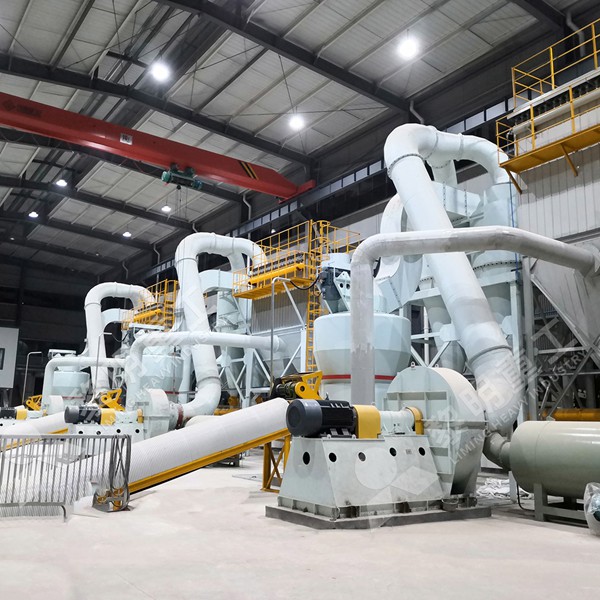
Storage and documentation are the final, crucial links. Spare parts, especially precision-machined components, must be stored in a clean, dry, and organized environment to prevent corrosion and damage. A digital inventory log, linked to maintenance records, should track part numbers, arrival dates, shelf life, and installation dates. This creates a feedback loop where the actual wear life of an installed part validates and refines the initial consumption forecasts. Furthermore, training operational staff on the signs of component wear (e.g., drop in output fineness, increased vibration) enables proactive ordering before catastrophic failure occurs.
For calcite producers, the goal is seamless operation where the mill's performance—producing fineness between 613μm ~ 44μm—is consistently achieved. A disciplined spare parts inventory strategy directly contributes to this by minimizing unplanned downtime. It transforms parts management from a cost center into a reliability function. By leveraging OEM expertise, operational data, and systematic planning, users of Raymond Mills can ensure their calcite grinding lines remain productive, efficient, and competitive, fully supporting the core business of mineral processing.
Frequently Asked Questions (FAQ)
Q1: What are the absolute critical spare parts I should always have on hand for my calcite Raymond Mill?
A: The highest priority should be given to the direct grinding components: a full set of grinding rollers and at least one grinding ring. These are the parts most susceptible to wear from abrasive calcite. Following these, keep key seals and gaskets for the grinding chamber and a set of classifier blades to maintain product fineness control.
Q2: How can I accurately predict the wear life of grinding rollers for my specific calcite feed?
A: The most reliable method is to track historical data. Record the total operational hours and tonnage processed between roller replacements. Consider factors like the feed size (within the mill's 15-25mm input spec) and the hardness/impurity profile of your calcite source. This operation-specific data is far more accurate than generic estimates.
Q3: Is it advisable to source non-OEM (third-party) spare parts to reduce costs?
A: While sometimes cheaper upfront, non-OEM parts can pose significant risks. They may not meet the original material specifications or machining tolerances, leading to reduced wear life, improper fit, and even damage to other mill components. This often results in higher total cost due to increased downtime and more frequent replacements. OEM parts are engineered for optimal system performance.
Q4: How does the closed-circuit airflow system impact my spare parts inventory?
A: The blower and associated ductwork are subject to abrasion from fine calcite powder. Regularly inspect the blower blades and housing for wear. Having spare blades or a repair kit on hand can prevent a sudden drop in airflow, which severely impacts grinding efficiency and product collection. Also, consider inventory for the bag filter or dust collector components.
Q5: What is the first step in implementing a formal inventory management system for my mill?
A: Begin with a comprehensive audit. Create a complete list of all replaceable parts for your specific Raymond Mill model. Then, categorize them based on criticality and historical failure rates. Establish current stock levels and research lead times from your supplier. This baseline assessment will clearly show where your highest risks and opportunities for improvement lie.


