Published: October 26, 2023
In today's fast-paced industrial landscape, maximizing uptime and ensuring consistent product quality are paramount for calcite powder producers. Unplanned downtime due to equipment malfunction or suboptimal operation can severely impact profitability. Recognizing this critical need, Liming Heavy Industry introduces its comprehensive Remote Diagnostic Service, a proactive and intelligent support system designed specifically for calcite powder production lines utilizing our advanced grinding equipment. This service leverages modern IoT connectivity and decades of application expertise to monitor equipment health, optimize performance, and provide predictive maintenance insights, transforming traditional reactive support into a strategic partnership for operational excellence.
At the core of our remote diagnostic capability is a deep understanding of the grinding process, honed over 30 years since our founding in 1987. Our engineers have mastered the nuances of processing non-metallic minerals like calcite. Whether your operation employs our high-capacity LM Vertical Roller Mill for large-scale production, the reliable Raymond Mill for fine grinding, the advanced MTW European Type Grinding Mill for energy-efficient processing, or the ultra-fine MW Micro Powder Mill for high-value products, our system is tailored to each machine's unique operational parameters. We don't just monitor generic machine data; we analyze process-specific variables critical for calcite—such as fineness consistency, feed rate stability, grinding pressure, and classifier efficiency—against established performance baselines.
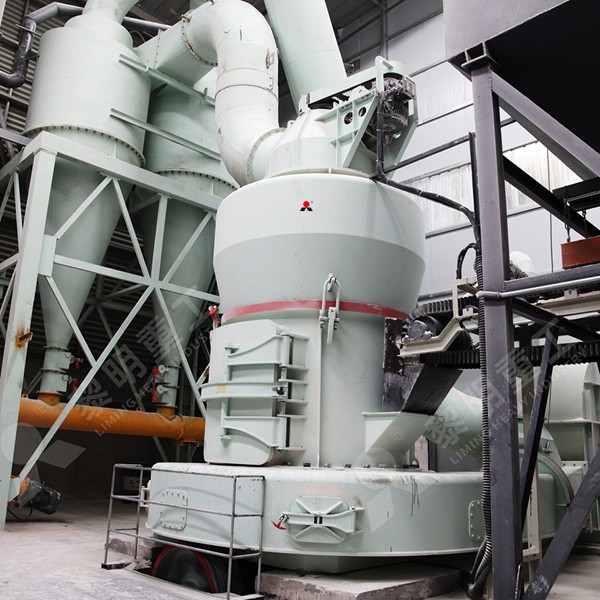
The service operates through a secure, encrypted data link from sensors on your production line to our dedicated Technical Support Center in Zhengzhou. Our system continuously collects and analyzes data on vibration, temperature, motor load, bearing condition, and output quality indicators. Using proprietary algorithms developed by our R&D team, we can detect anomalies that precede failures, such as unusual vibration patterns in a grinding roller or a gradual increase in bearing temperature. This allows for intervention before a minor issue escalates into a major breakdown. For instance, a slight deviation in the amperage draw of the main motor on an MTW European Mill might indicate improper material feed or early-stage mechanical resistance, triggering an alert for our engineers to investigate.
Beyond fault prediction, the service focuses on performance optimization. Calcite grindability can vary with moisture content and source mineralogy. Our remote experts can analyze production data in real-time and recommend adjustments to mill parameters—like classifier speed, grinding pressure, or hot air temperature—to maintain the target fineness (e.g., 325 to 2500 mesh) and maximize throughput. This ensures your Ball Mill or Vertical Roller Mill operates at peak efficiency, reducing specific energy consumption per ton of powder produced. We provide detailed periodic reports that track Key Performance Indicators (KPIs), offering insights into production trends and potential areas for improvement.
The human element remains indispensable. When an alert is generated or you have a query, you are connected directly to a dedicated engineer familiar with calcite processing and your specific equipment history. This specialist can guide your on-site team through troubleshooting steps, consult on spare part needs, or even perform authorized, secure remote adjustments to the machine's control system to rectify an issue. This collaborative approach minimizes resolution time and empowers your personnel with knowledge.
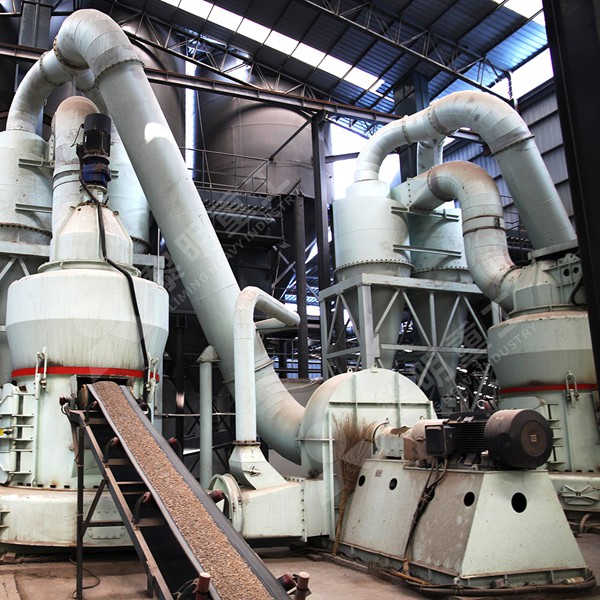
Implementing the Remote Diagnostic Service is a straightforward process. It involves installing a compact, robust communication module on your Liming equipment. Our team handles the configuration and integration with your existing mill control system, ensuring a seamless setup with minimal disruption. The service is designed to be a scalable partnership, growing with your operation and adapting to new technological advancements from our ongoing research in crushing and grinding.
In essence, Liming Heavy Industry's Remote Diagnostic Service is more than a troubleshooting tool; it is a strategic asset for any calcite powder producer aiming for superior reliability, optimized operational costs, and sustained product quality. By combining our robust machinery with intelligent, connected services, we deliver a complete solution that keeps your production line running smoothly and competitively.
Frequently Asked Questions (FAQs)
1. What data security measures are in place for the remote connection?
All data transmission is protected via industrial-grade VPN with end-to-end encryption. Data access is strictly role-based, and we comply with relevant international standards for industrial data security. The system is read-only by default, with any remote control action requiring explicit, multi-factor authorization from the client.
2. Is this service compatible with older Liming grinding mills?
Yes, in most cases. We can retrofit many of our earlier model mills, including certain generations of Raymond Mills and Ball Mills, with the necessary sensor kits and communication hardware. A feasibility assessment is conducted for each specific case.
3. How does the service help with wear part management?
By monitoring operational hours, load cycles, and vibration signatures, our system can predict the remaining service life of critical wear parts like grinding rolls, rings, and liners. This enables just-in-time ordering and planned replacement during scheduled maintenance windows, avoiding unexpected stoppages.
4. Can you diagnose issues in the entire production line or just the grinding mill?
While focused primarily on our grinding equipment (the core of the process), our diagnostic scope can be extended to integrated auxiliary systems we supply, such as feeders, classifiers, and dust collectors. We can help identify if a problem originates from upstream feed or downstream collection affecting mill performance.
5. What kind of training is provided for our on-site staff to use this system?
We provide comprehensive training for your operational and maintenance teams on interpreting the dashboard alerts and collaborating effectively with our remote engineers. The goal is to build a synergistic partnership where remote expertise complements hands-on local knowledge.


