Published: October 26, 2023
Processing high-moisture calcite presents significant challenges for traditional grinding systems, primarily due to material clogging, inefficient drying, and high energy consumption. For operators in the calcium carbonate, construction materials, and chemical industries, selecting the right milling technology is critical for profitability and product quality. This article explores the limitations of conventional vertical roller mills (VRMs) in handling moist calcite feedstocks and presents a robust, energy-efficient alternative from Liming Heavy Industry, leveraging advanced drying-grinding integration and system design to overcome these hurdles, ensuring stable operation, superior fineness control, and reduced operational costs.
The fundamental issue with high-moisture calcite (often with moisture content exceeding 6-8%) in standard VRM operations is the compromise between drying and grinding efficiency. While VRMs integrate some drying capability, their primary design focus is on grinding. When feed moisture is high, a substantial portion of the mill's thermal energy and internal volume is diverted to moisture evaporation, often requiring auxiliary hot air generators. This can lead to unstable material flow on the grinding table, increased recirculation of semi-dried fines, and ultimately, reduced throughput and higher specific energy consumption per ton of product. Furthermore, persistent moisture can cause packing and coating of grinding elements, accelerating wear and increasing maintenance downtime.
Recognizing this industry-wide challenge, Liming Heavy Industry has developed and refined its LM Vertical Roller Mill series with a specific focus on processing challenging materials like high-moisture calcite. The core innovation lies in its highly efficient integrated drying-grinding system. The mill features a proprietary hot air channel and grinding chamber design that optimizes airflow and heat transfer. High-temperature gas (from auxiliary hot air furnace or waste heat sources) enters the mill directly and contacts the falling curtain of material at the feed point, initiating rapid surface drying before grinding commences. This prevents the moist material from adhering to the grinding table and rollers.
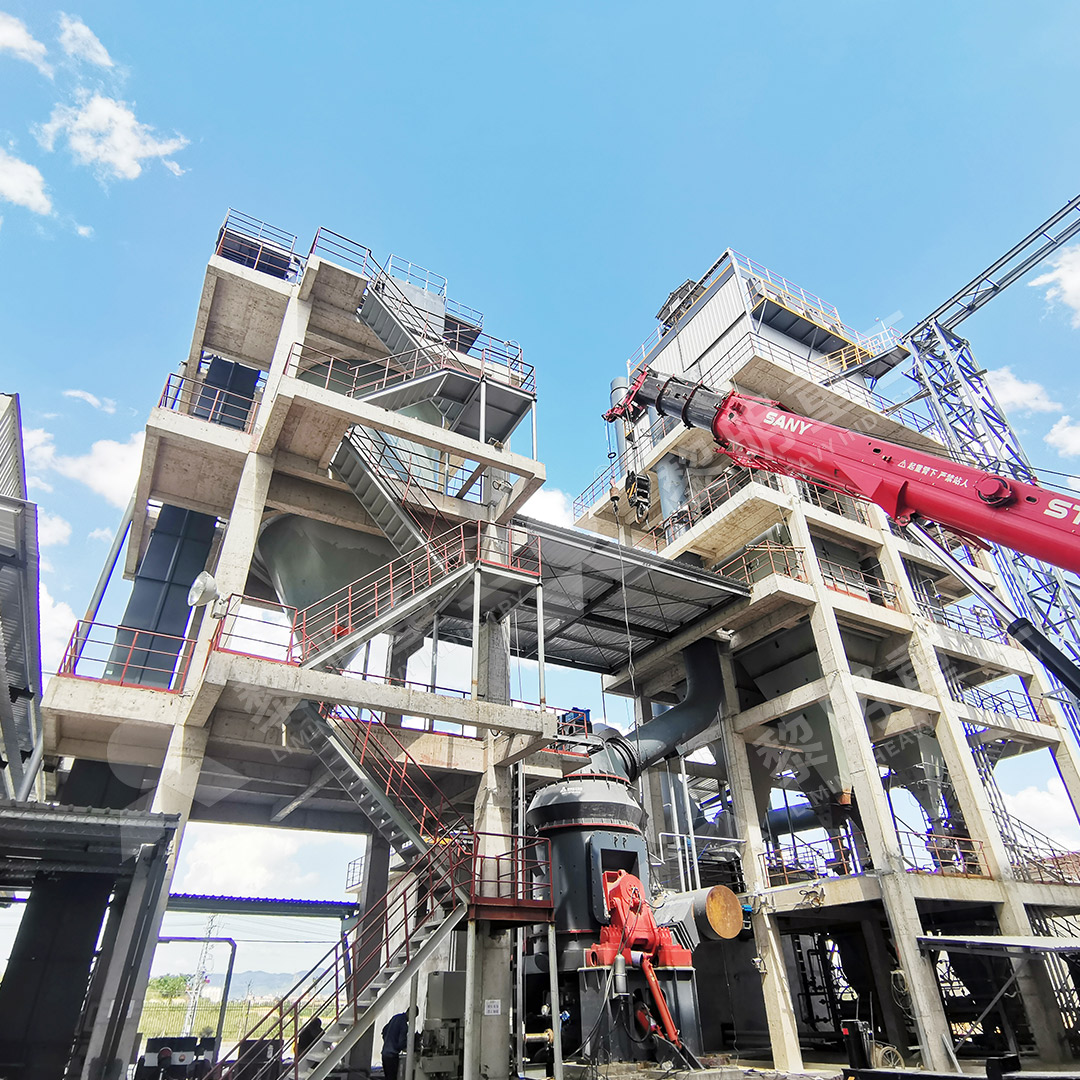
The grinding process itself is enhanced by a high-precision hydraulic system that controls grinding pressure. For moist materials, the system can be adjusted to apply optimal pressure, ensuring efficient size reduction even as the material's physical properties change during the drying process within the mill. The ground and dried powder is then conveyed by the airflow to a high-efficiency dynamic classifier. A key advantage here is the mill's ability to operate with a higher gas volume and temperature without compromising classifier efficiency, allowing for more moisture to be carried away in the vapor phase. The closed-circuit system with a pulse-jet bag filter ensures no product loss and full compliance with environmental dust emission standards.
Beyond the core mill, Liming's solution encompasses the entire system engineering. For high-moisture calcite, the feeding system is often equipped with pre-drying or pre-dewatering devices like rotary or paddle dryers to reduce the initial moisture load if necessary. The system's intelligent PLC-based control system continuously monitors parameters such as inlet/outlet gas temperature, mill motor load, and classifier speed. It automatically adjusts the feed rate, hot air volume, and grinding pressure to maintain optimal operation, compensating for fluctuations in feedstock moisture—a common occurrence in natural calcite sources.
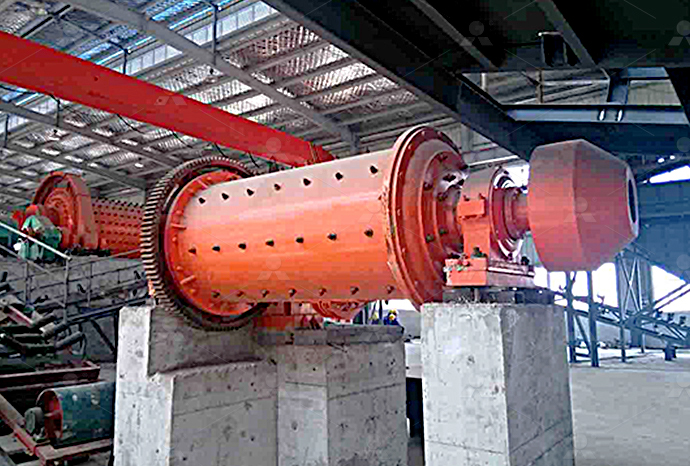
When comparing this approach to other common mills for calcite, the advantages become clear. Traditional Raymond Mills, while excellent for dry, low-hardness materials, have limited drying capacity and lower throughput, making them less suitable for large-scale, high-moisture applications. Ball Mills can handle moist feed via open-circuit grinding but are notoriously energy-inefficient, with much of the energy consumed as heat and noise rather than effective grinding. The MTW European Type Grinding Mill, an advanced version of the trapezium mill, offers better drying than traditional Raymond mills but may still face limitations with very high moisture content compared to the purpose-designed LM system. For ultra-fine products from calcite (d97 < 5μm), the MW Micro Powder Mill is exceptional, but it typically requires feed material to be pre-dried and pre-crushed to a very fine state, adding process steps.
The operational benefits of adopting the LM Vertical Roller Mill for high-moisture calcite are substantial. Users report a significant reduction in specific energy consumption (kWh/ton) compared to two-stage drying-and-grinding setups. The single-unit operation reduces footprint, capital investment in multiple machines, and system complexity. Product quality is consistently high, with fineness easily adjustable between 200 to 325 mesh and beyond, and the low iron contamination from the grinding process ensures high whiteness of the final calcite powder—a critical quality indicator. Moreover, the mill's robust construction and accessible design for wear part replacement minimize maintenance interruptions, maximizing overall equipment availability.
In conclusion, for processors contending with high-moisture calcite feedstocks, moving beyond conventional VRM limitations is essential. The alternative presented by Liming Heavy Industry's LM Vertical Roller Mill, backed by over three decades of engineering expertise in crushing and grinding, provides a holistic solution. It transforms a processing challenge into an opportunity for enhanced efficiency, lower operational costs, and superior product quality, solidifying its role as a leader in the field of non-metallic mineral processing technology.
Frequently Asked Questions (FAQ)
- Q: What is the maximum feed moisture content the LM Vertical Mill can handle for calcite without a pre-dryer?
A: The standard LM Vertical Mill is designed to effectively handle calcite with moisture content up to 10-15% directly, utilizing its integrated hot air system. For moisture consistently above this range, a simple pre-drying stage can be integrated into the system design for optimal efficiency. - Q: How does the product fineness from the LM Mill compare to a traditional ball mill for calcite?
A: The LM Mill, equipped with a high-efficiency dynamic classifier, offers superior and more consistent fineness control compared to a ball mill. It can produce a narrower particle size distribution, which is crucial for high-value calcite applications in plastics, paints, and coatings. - Q: Is the system environmentally friendly regarding emissions and noise?
A: Yes. The system is a fully closed-circuit negative pressure operation. All process air is cleaned through a high-efficiency pulse-jet bag filter before release, ensuring dust emissions are far below national standards. The mill's design also results in lower noise levels compared to ball mills. - Q: What are the key wear parts, and what is their typical service life when grinding abrasive calcite?
A: The primary wear parts are the grinding rollers and the grinding table liner. These are made from high-chromium alloy or composite materials for exceptional wear resistance. Service life varies based on abrasiveness and output but typically ranges from 6,000 to over 10,000 operating hours before major refurbishment is needed. - Q: Can the LM Mill system utilize waste heat from other processes to reduce operational energy costs?
A: Absolutely. The system's design is highly compatible with waste heat recovery. Hot gases from kilns, generators, or other industrial processes can be ducted into the mill as the primary or supplementary heat source for drying, dramatically reducing the need for dedicated fuel-fired hot air generators and lowering the carbon footprint of the operation.


