Published: October 26, 2023
For operations relying on traditional calcite grinding equipment, the path to enhanced productivity, finer particle control, and reduced operational costs lies in strategic modernization. Upgrading from an outdated Raymond mill or similar grinding technology to a contemporary system is not merely a replacement—it's a comprehensive transformation of your production line. Leveraging decades of engineering expertise, Liming Heavy Industry provides specialized upgrade services that integrate advanced milling mechanisms, intelligent control systems, and eco-friendly designs into existing frameworks. This process delivers the performance of next-generation mills, such as the MTW European Type Grinding Mill or MW Micro Powder Mill, while optimizing your capital investment. The result is a significant leap in processing capacity, energy efficiency, and product quality for non-metallic minerals like calcite, ensuring your plant remains competitive in a demanding market.
Traditional calcite grinding setups, often based on early pendulum mill or basic Raymond mill designs, face inherent limitations. These typically include higher specific energy consumption, broader particle size distribution, more frequent maintenance due to mechanical wear, and challenges in meeting modern environmental standards for dust emission. The grinding principle, while proven, lacks the precision and efficiency of current technological iterations. Recognizing these challenges is the first step toward a profitable upgrade.
Liming Heavy Industry's upgrade service begins with a thorough audit of your existing milling circuit. Our engineers assess the condition of your old Raymond mill, analyze feed material characteristics, and evaluate your target fineness and capacity requirements for calcite powder. Based on this diagnostic, we design a tailored modernization plan. This plan may involve replacing the core grinding assembly with a new grinding roller and ring system featuring wear-resistant alloys, integrating a high-efficiency turbine classifier for sharper particle separation, or retrofitting a fully automated PLC-based control system for consistent operation and remote monitoring.
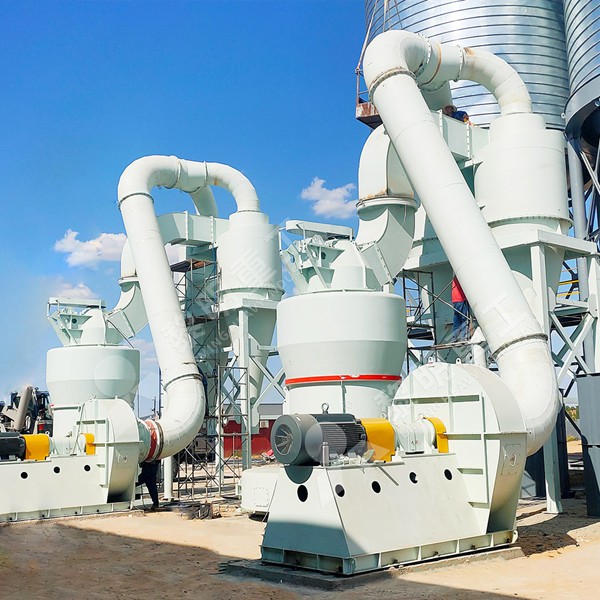
The core of the upgrade often centers on adopting the working principles of our advanced mill models. For instance, incorporating the curved duct design and conical grinding roller geometry from the MTW European Type Grinding Mill can dramatically improve grinding efficiency and material throughput. For applications requiring ultra-fine calcite powder (d97 ≤ 5μm), upgrade elements inspired by the MW Micro Powder Mill, such as its layered grinding mechanism and advanced classifier, can be implemented. These technological transplants breathe new life into the mill's structural foundation, transforming it into a high-performance, modern asset.
A critical component of any upgrade is enhancing the ancillary systems. We focus on improving the entire closed-circuit grinding process. This includes optimizing the feeding system for uniformity, upgrading the dust collection with high-efficiency pulse jet bag filters to ensure a clean workshop and meet environmental regulations, and recalibrating the air circulation system for better thermal efficiency—especially important for materials requiring simultaneous drying and grinding. The goal is to create a harmonious, closed-loop system where every component works at peak synergy.
The benefits of such a comprehensive upgrade are substantial. Operators can expect a marked increase in production capacity, often between 30% to 100%, depending on the baseline. Energy consumption per ton of product is significantly reduced, thanks to more efficient grinding mechanics and optimized airflow. The improved classification system yields a more consistent product with a tighter particle size distribution, adding value to your calcite powder in the marketplace. Furthermore, modernized mills require less manual intervention, are safer to operate, and have a markedly smaller environmental footprint.
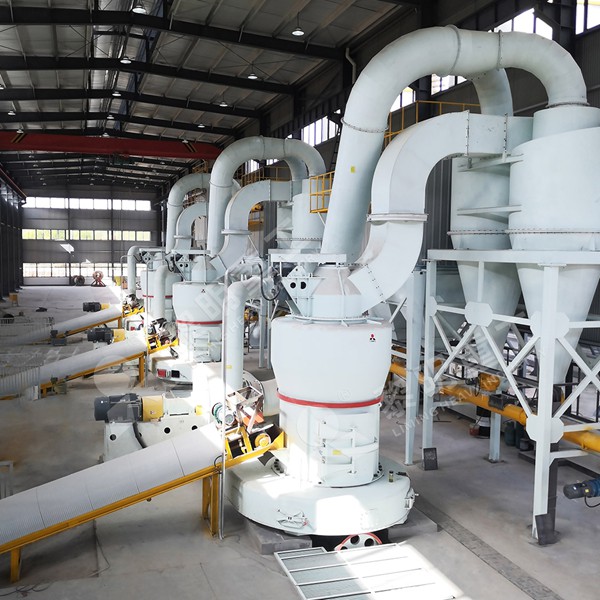
As a pioneer in grinding technology for over three decades, Liming Heavy Industry brings unparalleled R&D and manufacturing prowess to every upgrade project. Our commitment to "scientific research tackling key problems and technological improvement" ensures that our solutions are at the industry's technological frontier. We don't just sell equipment; we provide lasting partnerships focused on boosting our clients' core competitiveness through innovation and precision engineering.
Frequently Asked Questions (FAQ)
- What are the main signs that my calcite Raymond mill needs an upgrade instead of repair?
Key indicators include steadily declining output tonnage, increasing energy bills per ton produced, inability to achieve finer or more consistent fineness specifications, excessive vibration or noise, and rising maintenance frequency and costs for core components like grinding rollers. - Can the upgrade be performed on-site, or does the mill need to be shipped to your facility?
The vast majority of our upgrade services are conducted on-site at your plant. This minimizes downtime and logistical costs. Our field engineers bring the necessary components and expertise to perform the transformation within a planned shutdown window. - How does the upgraded mill's performance compare to a brand-new MTW or MW mill?
A properly executed upgrade aims to deliver performance characteristics (efficiency, fineness range, capacity) that are comparable to a new mill of equivalent technology level. The upgrade leverages your existing foundation to achieve modern performance standards, offering a cost-effective alternative to a complete replacement. - Will the upgrade affect the physical footprint of my existing grinding plant?
Our upgrade designs prioritize compatibility with existing layouts. The goal is to maximize performance within the current footprint. Most modifications are internal to the mill or involve ancillary components like classifiers and ducts, with minimal changes to the overall plant structure. - What kind of technical support is provided after the upgrade is completed?
Post-upgrade support includes detailed operational training for your personnel, provision of updated manuals and schematics, and a comprehensive warranty on the new components installed. Our service team remains available for remote diagnostics and technical consultation to ensure long-term optimal performance.


