Published: October 26, 2023
For operators of calcite processing plants, declining system performance is a common yet costly challenge. Throughput drops, energy consumption rises, and product quality becomes inconsistent, directly impacting profitability. Liming Heavy Industry's specialized Performance Optimization Service is designed to diagnose and rectify these inefficiencies in existing grinding circuits without necessitating a complete system replacement. By leveraging our three decades of expertise in crushing and grinding technology, we implement targeted upgrades—from advanced classifier retrofits and precision liner adjustments to intelligent control system integration—specifically for calcite applications. This service transforms underperforming mills into high-efficiency assets, delivering measurable gains in output, fineness control, and operational cost savings, ensuring your investment continues to yield maximum returns.
Calcite, a critical mineral in industries from plastics and paints to construction and agriculture, demands precise particle size distribution and high whiteness. Many grinding systems, however, were installed years ago and operate below today's efficiency standards. The root causes are often multifaceted: worn grinding elements causing excessive vibration and poor particle-on-particle impact, outdated separation technology leading to over-grinding and high recirculation loads, or inefficient system airflow resulting in high fan power draw and poor thermal efficiency for drying. Our optimization process begins with a comprehensive on-site audit. Engineers from Liming Heavy Industry conduct meticulous measurements of current operation parameters, analyze historical production data, and perform material sampling to establish a precise performance baseline.
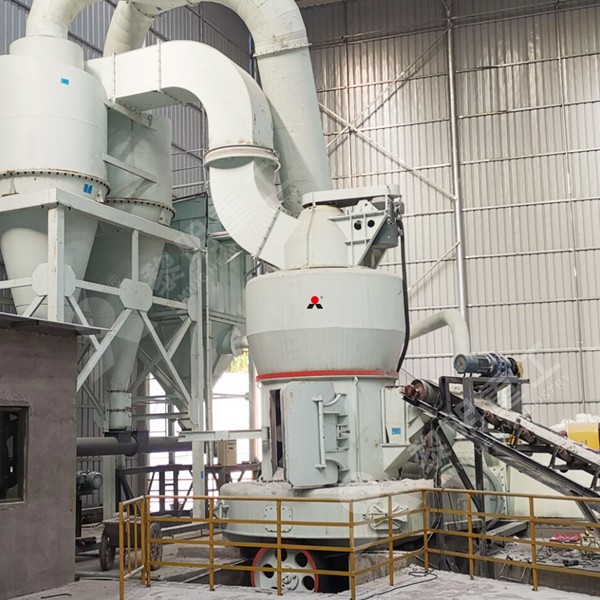
The core of our service lies in applying the technological evolution embodied in our own grinding equipment portfolio to revitalize existing machinery. For instance, a key focus area is the powder selection system. Older mechanical classifiers or first-generation dynamic separators are often the bottleneck. We can retrofit advanced high-efficiency separators, inspired by the designs in our LM Vertical Roller Mill and MTW European Type Grinding Mill. These upgrades dramatically improve classification sharpness, reducing the percentage of fine particles in the mill's recirculation load. This allows the grinding mechanism to work more effectively on the correct size fraction, boosting capacity by 15-30% while simultaneously lowering specific energy consumption (kWh/ton). For Raymond mill or similar pendulum roller mill systems, optimization may involve precision re-profiling of grinding rolls and rings, restoring optimal geometry for maximum nip angle and grinding pressure, directly influencing fineness and throughput.
System integration and control are equally vital. Many older plants operate with manual or basic PLC controls. We implement modern, sensor-based automation solutions that continuously monitor critical parameters like mill motor load, baghouse differential pressure, and product fineness (via online particle analyzers where feasible). An optimized control logic, derived from the operational principles of our MW Micro Powder Mill with its advanced Swedish technology for stability, ensures the system runs at its true optimum point, not just a safe setpoint. This prevents energy waste during feed variations and maintains consistent product quality, batch after batch. Furthermore, we address auxiliary components. Upgrading to a high-efficiency fan or optimizing the piping layout to reduce system resistance can yield significant power savings in the air circuit, a major consumer in dry grinding processes.
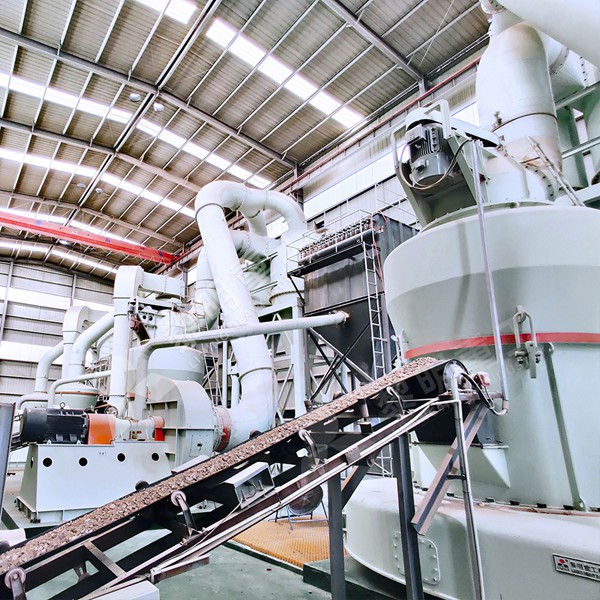
For ball mill circuits commonly used in wet or dry calcite grinding, optimization strategies differ. We focus on liner design and grinding media optimization. Worn liners disrupt the cascading action of the charge. Our engineers design and supply wave or step liners that maximize lifting efficiency for a given mill speed and fill level. Coupled with a detailed media size distribution analysis and the provision of high-chromium, wear-resistant balls, we ensure optimal size reduction impact and minimize liner/ball consumption. This approach, honed through decades of manufacturing and supporting Ball Mills, directly increases grinding efficiency and extends maintenance intervals.
Ultimately, Liming Heavy Industry's Performance Optimization Service is a partnership. We don't just deliver a report; we provide engineered solutions, premium replacement parts from our extensive manufacturing base, and expert supervision during implementation. The goal is a holistic enhancement of your calcite grinding line's reliability, productivity, and sustainability, ensuring it meets modern production demands while deferring the capital outlay for a completely new system. By choosing this service, you tap directly into the R&D and practical experience that has made Liming a leader in grinding technology, securing a competitive edge through superior operational efficiency.
Frequently Asked Questions (FAQs)
Q1: What is the typical timeline for a complete optimization project from audit to results?
A: The timeline varies based on system complexity. A comprehensive audit and proposal phase typically takes 2-3 weeks. Implementation of mechanical and control upgrades usually requires a planned 5-10 day shutdown, followed by a tuning and performance validation period of 1-2 weeks of operation.
Q2: Can you optimize very old milling equipment, or is replacement the only option?
A: In most cases, significant optimization is possible. We assess the structural integrity of the core mill frame and foundation. If sound, key wear parts and subsystems (grinding elements, classifiers, drives, controls) can be upgraded to modern standards, often restoring performance close to that of a new machine at a fraction of the cost.
Q3: How do you guarantee the results of the optimization service?
A: We provide a performance guarantee based on the key metrics defined in the project proposal, such as a percentage increase in throughput or a reduction in energy consumption per ton. This guarantee is backed by our engineering analysis and is validated through agreed-upon measurement protocols post-installation.
Q4: Does the service include training for our operational staff?
A: Yes. Comprehensive training on the new operating procedures, control system, and optimized maintenance routines for the upgraded system is a standard part of our service delivery, ensuring your team can sustain the performance gains.
Q5: My main issue is product contamination and whiteness loss. Can optimization help?
A: Absolutely. Contamination often stems from excessive wear of grinding media or liners. By upgrading to high-wear-resistance materials like ceramic or specialized alloys for certain parts, and by optimizing the grinding kinematics to reduce abrasive wear, we can significantly reduce iron oxide contamination, thereby protecting the crucial brightness of your calcite product.


