Published: October 26, 2023
Operating calcite grinding machinery efficiently requires a blend of proper equipment selection, systematic operation, and proactive maintenance. This guide provides comprehensive technical support for operators of Liming Heavy Industry's grinding mills—including the LM Vertical Roller Mill, Raymond Mill, MTW European Type Grinding Mill, MW Micro Powder Mill, and Ball Mill—when processing calcite. We'll cover optimal machine selection based on your target fineness and capacity, step-by-step startup and shutdown procedures, routine maintenance checkpoints, troubleshooting for common operational issues like excessive vibration or low output, and best practices to ensure consistent product quality and maximize the lifespan of your grinding system. By following these evidence-based protocols, you can achieve higher productivity, reduced downtime, and optimal performance from your investment.
Selecting the right grinding mill is the foundational step for successful calcite processing. Calcite, or calcium carbonate, has diverse industrial applications requiring different particle size distributions. For coarse to medium grinding (44μm to 613μm) at capacities up to 4.5 tons per hour, our Raymond Mill is a robust and energy-efficient choice. Its classic design is renowned for reliability in processing non-flammable, non-explosive materials like calcite with humidity below 6%. When your project demands higher throughput—up to 400 tons per hour—and integrated drying of moist feed, the LM Vertical Roller Mill is superior. Its design integrates drying, grinding, powder selection, and conveying, making it ideal for large-scale calcite production lines where efficiency is paramount.
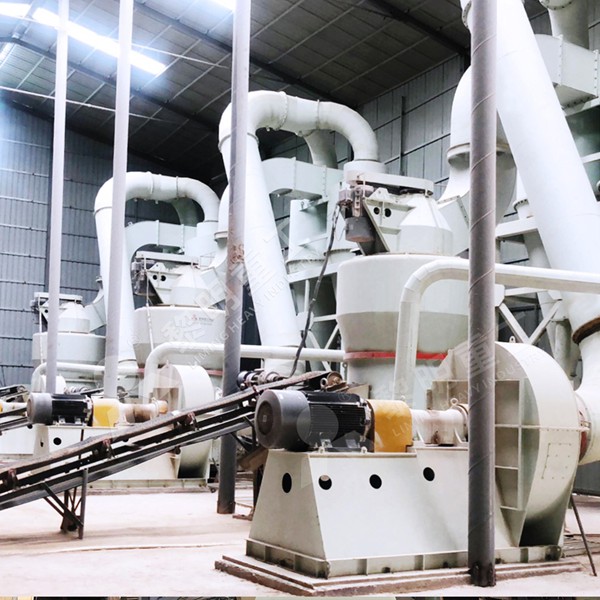
For producers targeting fine to superfine calcite powder (d97 ≤ 5μm), our MW Micro Powder Mill, which incorporates advanced Swedish grinding technology, is the specialist tool. It excels in producing high-value additives for plastics, paints, and coatings. The MTW European Type Trapezium Mill, an upgrade of traditional pendulum mills, offers a balanced solution for large-scale powder making with patented technology emphasizing stability and environmental protection. Finally, the versatile Ball Mill remains a key asset for grinding calcite alongside other materials in beneficiation or chemical processes, especially where flexibility is needed. Understanding your final product specification is crucial for this initial selection.
Once the appropriate mill is installed, correct operational procedures are non-negotiable. Always begin with a comprehensive pre-start inspection. Check all mechanical fasteners, belt tensions, and lubrication levels in gearboxes and bearings. Inspect the grinding rollers and rings (or liners and balls in a Ball Mill) for wear. Ensure the feeding system is clear and the discharge ducts are unobstructed. For closed-system mills like the MTW and LM series, verify the integrity of the pneumatic circuit and the pulse dust collector. The startup sequence must be followed meticulously: first, initiate the dust collection system and fan, then start the grinding main unit, and finally, engage the feeder to begin material introduction. The feed rate must be gradually increased to the designed capacity to avoid overloading the motor or causing blockages.
During operation, consistent monitoring of key parameters is vital. Pay close attention to the main motor current, bearing temperature, and the pressure differential across the grinding chamber. Abnormal sounds, such as metallic scraping or irregular vibrations, often indicate issues like insufficient feed (leading to direct metal-to-metal contact), foreign objects, or severe wear of grinding components. The fineness of the output calcite powder is controlled by adjusting the classifier speed (in mills like the MW or MTW) or the analyzer blades in a Raymond mill. Remember, a stable feed rate with consistent moisture content is the most significant factor for achieving a stable product size distribution.
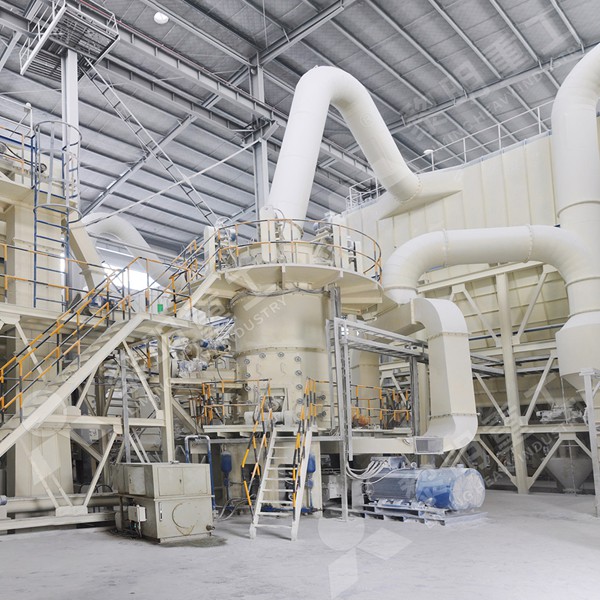
Routine maintenance is the cornerstone of preventing unscheduled downtime. Develop a schedule based on the manufacturer's manual and your operational hours. Daily tasks include checking oil levels and cleaning the external surfaces to prevent dust accumulation. Weekly, inspect all wear parts, such as grinding rolls, rings, and blades. Lubricate all moving points as specified. A monthly thorough inspection should involve checking the alignment of the transmission system, the condition of electrical connections, and the calibration of instruments. For the Ball Mill, regularly add steel balls to compensate for wear and inspect the liner condition. For pendulum-style mills, check the spring tension. Always use genuine Liming Heavy Industry spare parts to guarantee compatibility and performance.
Troubleshooting common issues requires a methodical approach. Problem: Low Output or Reduced Capacity. Likely causes are a worn grinding ring/roller, blocked air passages in the separator, or a leaking cyclone. Check and replace worn parts and clean the system. Problem: Excessive Vibration. This can stem from unbalanced wear on grinding components, loose foundation bolts, or a damaged bearing. Immediate shutdown and inspection are required. Problem: Product Fineness is Too Coarse. Adjust the classifier to a higher speed, check for worn classifier blades, or verify that the fan speed is within the correct range. Problem: Abnormal Noise from the Grinding Chamber. This often signals a broken part, severe lack of material, or foreign metal entry. Stop the mill immediately for internal inspection.
Finally, embracing best practices will elevate your operation. Implement a consistent raw material quality control check for calcite feed size and moisture. Maintain detailed logs of operational parameters, maintenance activities, and part replacements; this data is invaluable for predicting failures. Train your operators not just to run the machine, but to understand the grinding principle of their specific mill. For instance, understanding that in an MTW European Mill, material is ground between the ring and rollers and carried by airflow, helps operators diagnose separator-related issues faster. Leverage the support from Liming Heavy Industry's technical team for complex problems or performance optimization consultations.
Frequently Asked Questions (FAQs)
- Q: What is the primary difference between using a Raymond Mill and an MW Micro Powder Mill for calcite?
A: The key difference lies in the final fineness. Raymond Mills are ideal for producing powder in the range of 44μm to 613μm, while the MW Micro Powder Mill is designed for superfine grinding, achieving products as fine as 5μm (d97). Choose based on your product specification. - Q: How often should I replace the grinding rollers and ring in my LM Vertical Roller Mill?
A: Replacement intervals depend on material abrasiveness, operating hours, and maintenance. Regular weekly inspection for wear is critical. Typically, with proper operation on calcite, these components can last several thousand hours, but always refer to the wear limit specifications in your manual. - Q: My calcite powder output has become inconsistent in size. What should I check first?
A: First, check and adjust the classifier or separator speed settings. Second, inspect the classifier blades for wear. Third, ensure the feed rate and material properties (especially moisture and input size) have not changed significantly, as stability here is crucial for consistent grinding. - Q: Can the MTW European Mill handle wet calcite feedstock?
A: The standard MTW mill is designed for grinding materials with low moisture. For wet or moist calcite, the LM Vertical Roller Mill with its integrated drying function is the recommended choice. Attempting to process high-moisture material in a standard mill can lead to clogging and reduced efficiency. - Q: What are the essential safety checks before starting any grinding mill?
A: Always ensure all safety guards are in place, the area around the mill is clear, and emergency stop buttons are functional. Verify that the grinding chamber is empty of personnel and tools, all inspection doors are securely closed, and the lubrication and cooling systems are operational before initiating the startup sequence.


