Published: October 26, 2023
This comprehensive guide provides detailed, step-by-step instructions for the safe and efficient installation of a Raymond Mill specifically configured for processing calcite. Drawing from decades of engineering expertise at Liming Heavy Industry, we will cover essential pre-installation planning, foundational requirements, mechanical assembly, electrical and pneumatic system integration, initial commissioning, and operational best practices to ensure optimal performance and longevity of your grinding equipment. Adherence to these guidelines is crucial for achieving the fine powder quality (613μm to 44μm) that calcite applications demand while maintaining system safety and reliability.
Successful installation begins long before the equipment arrives on site. A thorough site assessment is the first critical step. The designated location must have a solid, level concrete foundation capable of supporting the mill's static weight and dynamic operational loads. Ample space must be allocated not only for the mill itself but also for ancillary equipment such as the jaw crusher, vibrating feeder, bucket elevator, and piping systems, ensuring safe and unobstructed access for operation and maintenance. Furthermore, verify that all necessary utilities—stable electrical power, compressed air, and proper dust collection ducting—are available at the planned connection points.
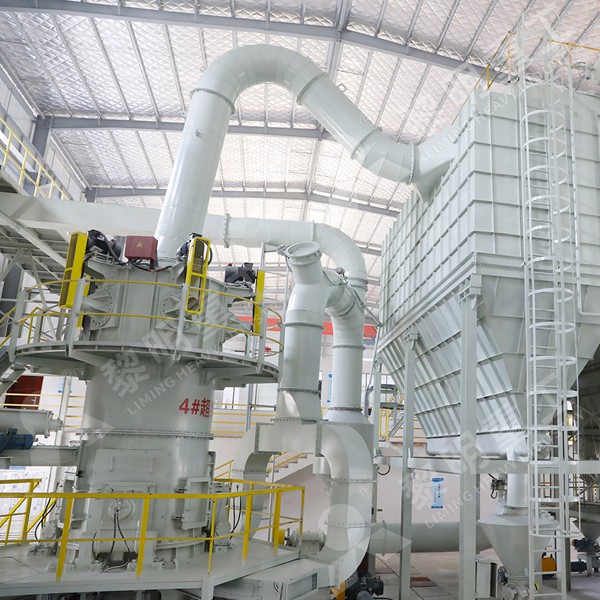
The mechanical installation process should follow a logical sequence. Upon uncrating, inspect all components for any shipping damage. Begin by positioning and securing the main mill base onto the prepared foundation. Carefully hoist and mount the grinding roller assembly and the grinding ring. Precise alignment is paramount here; misalignment can lead to premature wear, vibration, and reduced grinding efficiency. Next, install the classifier system, which is responsible for controlling the fineness of the calcite powder. Connect the air blower and the closed-circuit piping system, ensuring all joints are sealed to prevent pressure loss and dust leakage. Finally, integrate the feed system (crusher, elevator, vibrating feeder) and the discharge system, including the cyclone collector and pulse-jet dust collector, which is essential for maintaining a clean working environment and meeting environmental standards.
With the mechanical assembly complete, attention turns to the electrical and control systems. Connect all motors—for the main mill, classifier, blower, and feeders—to the central electric cabinet as per the supplied wiring diagrams. All connections must be made by qualified electricians following local electrical codes. The automatic control system, a key feature of modern Liming Raymond Mills, should be calibrated. This involves setting parameters for feed rate, grinding pressure, and classifier speed, which are interdependent variables for controlling calcite product fineness and output. Proper grounding of the entire system is mandatory for safety and to protect sensitive electronic components.
Before the first startup, conduct a final comprehensive check. Manually rotate the main shaft to ensure no parts are obstructing movement. Verify that all lubrication points are filled with the correct grade of grease or oil. Check that all bolts are properly tightened and safety guards are in place. The initial commissioning should be performed without material (an air test). Start the system in sequence, typically from the discharge end backward: dust collector, blower, classifier, and finally the main mill. Listen for unusual noises and monitor vibration levels. Once the empty run is successful, begin feeding calcite material gradually. Start with a low feed rate and monitor the amperage of the main motor, adjusting the feed until stable operation is achieved. Continuously check the temperature of bearings and the quality of the output powder, making fine adjustments to the classifier and grinding force.
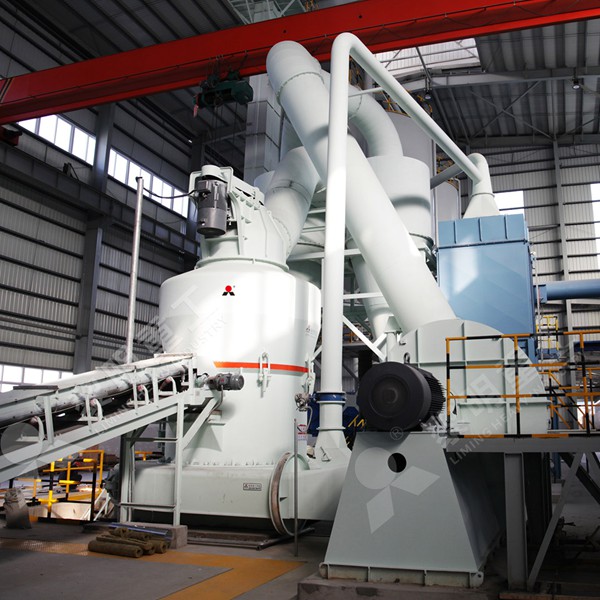
For ongoing optimal performance, establish a rigorous maintenance routine. Key daily tasks include checking lubrication levels and listening for operational anomalies. Regularly inspect wear parts like grinding rollers and grinding rings; calcite, while non-abrasive compared to some minerals, will cause gradual wear. The separator blades and air seals should also be inspected periodically to maintain precise particle size control. Leverage the available video tutorials from Liming Heavy Industry, which provide visual demonstrations of complex assembly steps, lubrication procedures, and troubleshooting common issues such as fluctuating fineness or reduced output. These resources, combined with the foundational knowledge of our mature scientific research team dedicated to technological progress, are invaluable for maximizing your mill's productivity and service life.
Frequently Asked Questions (FAQ)
- What is the recommended feed size of calcite for the Raymond Mill?
The Raymond Mill is optimally designed to process calcite material with an input size of 15-25mm. Consistent feed size within this range ensures stable grinding pressure and maximizes throughput. - How do I adjust the fineness of the final calcite powder?
The fineness is primarily controlled by the speed of the built-in classifier. Increasing the classifier speed yields a finer product, while decreasing it produces a coarser powder. Adjustments should be made gradually while monitoring the output. - What maintenance is most critical for consistent operation?
Regular inspection and timely replacement of grinding components (rollers and rings) are paramount. Additionally, ensuring the lubrication system is fully functional and using the recommended greases will significantly extend bearing and gear life. - Can the system handle moist calcite?
The standard Raymond Mill is suitable for materials with humidity less than 6%. For calcite with higher moisture content, integrating an auxiliary drying system before the mill is necessary to prevent clogging and ensure efficient grinding. - Where can I find specific video tutorials for my model?
Liming Heavy Industry provides a dedicated online resource portal with detailed video tutorials covering installation, operation, and maintenance. Please contact our after-sales support team with your equipment serial number for direct access to the relevant materials.


