Published: October 26, 2023
For mineral processing operations in coastal and marine-influenced environments, equipment longevity is paramount. LIMING HEAVY INDUSTRY addresses this critical challenge with specialized, corrosion-resistant grinding mill solutions engineered specifically for processing calcite and other non-metallic minerals in harsh, saline atmospheres. By integrating advanced material science, sealed system designs, and protective coatings into our proven grinding technologies, we deliver robust machinery that maintains high productivity and precise fineness control while resisting the accelerated degradation caused by salt spray, high humidity, and corrosive airborne particulates common to coastal installations.
Operating grinding equipment near coastlines presents a unique set of engineering obstacles. The constant presence of salt-laden air dramatically accelerates corrosion in standard industrial machinery, leading to premature failure of components, increased maintenance downtime, and contamination risks for processed materials like high-purity calcite. Recognizing this, LIMING HEAVY INDUSTRY has developed a comprehensive approach to corrosion resistance across its grinding mill portfolio. Our design philosophy extends beyond mere surface treatment, embedding protection into the core architecture of the machine. Critical contact surfaces for grinding and airflow, such as the grinding rings, rollers, classifier blades, and internal liners, are fabricated from or clad with high-chromium alloys, stainless steel grades, or specialized ceramic composites. These materials are selected for their exceptional resistance to pitting and uniform corrosion in chloride-rich environments.
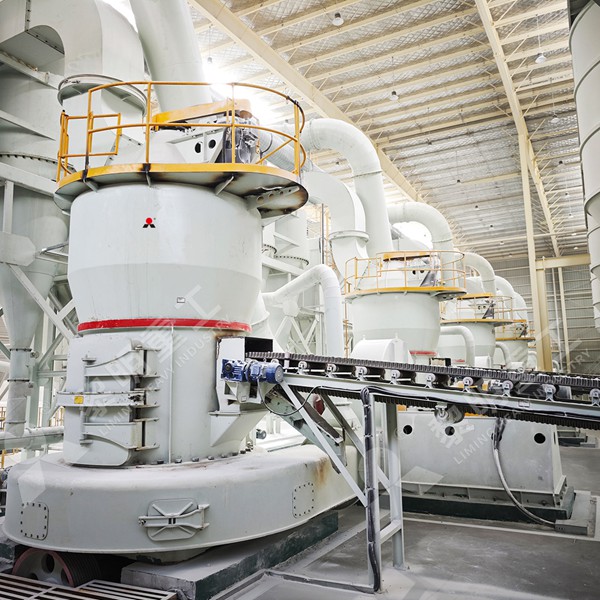
The MTW European Type Grinding Mill and the LM Vertical Roller Mill are particularly well-suited for such demanding applications. Their system design inherently supports enhanced protection. The entire grinding and classification process occurs within a tightly sealed, negative-pressure pneumatic circuit. This closed-loop system minimizes the intrusion of ambient corrosive air into the grinding chamber and powder conveying pathways. Furthermore, key components like the main shaft bearing assemblies and reducer units are housed in pressurized or specially sealed compartments with desiccant breathers to prevent salt fog ingress. For calcite processing, which requires consistent fineness for applications in plastics, paints, and construction, this sealed integrity also ensures product purity and stability in output quality, ranging from coarse granules to superfine powders below 5μm.
Our MW Micro Powder Mill, renowned for producing ultra-fine calcite powder, incorporates these protective principles at a granular level. The advanced Swedish-derived grinding technology is housed within a system equipped with high-efficiency pulse dust collectors that not only meet environmental standards but also act as a barrier, maintaining a clean, dry internal atmosphere. The drive trains and electrical cabinets are supplied with IP65 or higher protection ratings as standard for coastal orders, safeguarding sensitive controls against moisture and salt. Regular maintenance points are designed for easy access without compromising the protective seals, allowing for routine service without dismantling major protective housings.
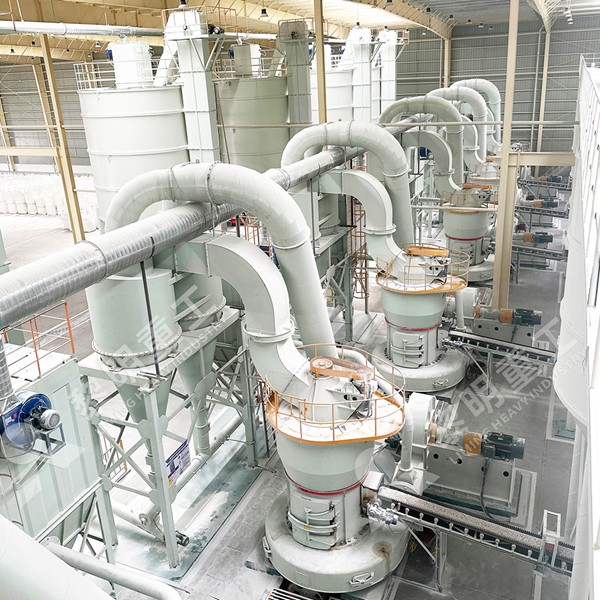
LIMING's commitment is rooted in over three decades of precision manufacturing and scientific R&D. Based in Zhengzhou's HI-TECH Industry Development Zone, our engineers tackle the specific problem of coastal corrosion through a "production, learning, and research" model. We don't just adapt existing mills; we develop and innovate at the technological frontier. Each corrosion-resistant package is the result of rigorous testing, simulating long-term exposure to coastal conditions to validate material choices and coating durability. This ensures that our clients' investments are protected, sustaining capacities from 1.2 T/H to over 400 T/H across our product line, from Raymond Mills for moderate fineness to large-scale LM Vertical Mills for high-tonnage operations.
Ultimately, selecting a grinding solution for a coastal calcite plant is a strategic decision impacting decades of operation. LIMING HEAVY INDUSTRY provides not just machinery, but a partnership focused on sustainable productivity. By prioritizing scientific research and technological progress, we deliver grinding systems where corrosion resistance is engineered into every gear, panel, and pipeline. This results in reliable, low-maintenance operation that withstands the test of time and environment, ensuring that the quest for perfect mineral powder is not undermined by the very air it is processed in.
Frequently Asked Questions (FAQ)
- What specific material upgrades are recommended for grinding calcite in a coastal area?
For coastal installations, we recommend mills fitted with internal wear parts made of high-chromium alloy or ceramic composites, stainless steel for external housings and ducts, and enhanced sealing materials for shafts and doors. The exact specification depends on the mill model (e.g., MTW, LM, MW) and the specific corrosivity level of the site. - How does the sealed grinding system prevent salt air contamination of the calcite product?
Our mills operate on a closed-circuit, negative-pressure pneumatic system. The grinding and classifying air is recirculated internally through a blower and filter. This design minimizes fresh air intake, drastically reducing the entry of external saline air and thus protecting both the machinery and the purity of the finished calcite powder. - Can existing LIMING mills be retrofitted for coastal corrosion resistance?
Yes, to a significant extent. We offer retrofit packages that can include replacement of critical internal components with corrosion-resistant versions, application of specialized protective coatings to external surfaces, and upgrades to sealing systems and electrical enclosures. A site assessment is recommended to determine the optimal retrofit scope. - Does the corrosion protection affect the mill's performance or fineness adjustment range?
No. The protective measures are designed to be integral to the mill's structure without interfering with its core mechanical functions. The fineness adjustment range (e.g., 44μm to 5μm for calcite) and grinding efficiency remain unchanged. The goal is to protect the precision engineering, not alter it. - What are the key maintenance differences for a corrosion-resistant mill in a coastal environment?
While significantly more durable, these mills still require vigilant maintenance focused on the integrity of seals and coatings. Regular inspection of protective layers for damage, prompt cleaning of salt residue from external surfaces, and monitoring of desiccant breathers on gearboxes are crucial. The maintenance intervals for internal grinding parts may be longer compared to standard mills in the same environment.


