Published: October 26, 2023
For calcite processing operations in regions with high electricity costs, selecting the right grinding equipment is not merely a production decision—it's a critical financial strategy. This article explores how modern, energy-efficient Raymond mill technology, specifically engineered by LIMING HEAVY INDUSTRY, provides a viable and sustainable solution. By focusing on advanced mechanical design, intelligent systems, and optimized grinding principles, these mills significantly reduce power consumption per ton of processed calcite powder, directly countering the challenge of soaring energy expenses while maintaining high product quality and output.
Founded in 1987, LIMING HEAVY INDUSTRY CO., LTD. has built its reputation on the research, manufacturing, and sales of large and medium-sized crushing and grinding equipment. With a steadfast commitment to scientific management, precision manufacturing, and innovation, the company has evolved into a leader in the global machinery manufacturing sector. A core part of its philosophy is a relentless R&D strategy aimed at enhancing product competitiveness. This focus on "scientific research tackling key problems" and "technological improvement" is precisely what has driven the development of their next-generation, energy-optimized Raymond mills.
The traditional image of a Raymond mill as a power-intensive piece of equipment is being reshaped. LIMING's engineering teams have targeted every stage of the grinding process for efficiency gains. For calcite—a material with a Mohs hardness of around 3, making it grindable but often in large volumes—the energy savings are most pronounced. The key lies in the grinding mechanism itself. In mills like the advanced MTW European Type Grinding Mill, the grinding roller and ring are designed with a curved contact surface. This ensures a consistent grinding zone and pressure, allowing for higher material throughput with the same or lower rotational force from the main shaft, directly translating to reduced motor load and electricity use.
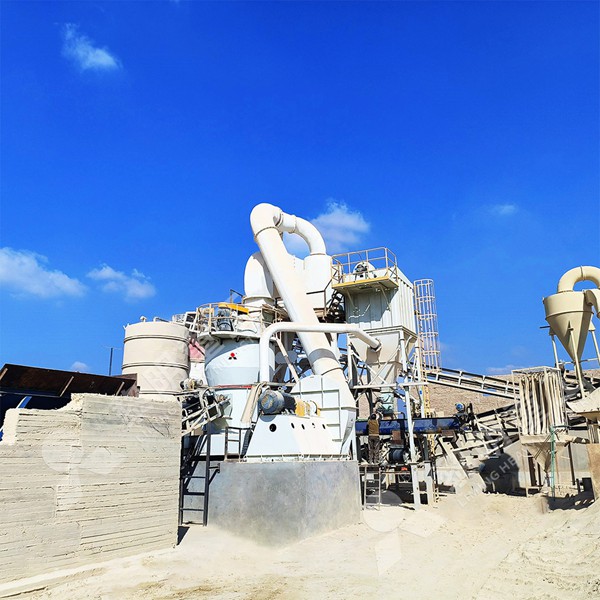
Beyond mechanical design, system integration is paramount. A modern Raymond mill plant is not an isolated grinder; it's a synchronized system. LIMING's designs integrate the mill with high-efficiency classifiers, variable-frequency drive (VFD) feeders, and recycling air blowers into a closed-loop circuit. The intelligent automatic control system is the brain of this operation. It continuously monitors parameters like motor amperage, grinding pressure, and fan speed. For calcite feed with slight variations in size or moisture, the system can automatically adjust the feeder speed and classifier rotation to maintain optimal load, preventing energy waste from over-grinding or running the system under-loaded.
Consider the journey of calcite through an MTW European Type Trapezium Mill. Large lumps are first crushed to a manageable size (15-25mm) by a jaw crusher. A VFD-controlled feeder then meters the material evenly into the grinding chamber. This consistent feed prevents power spikes. Inside, the material is ground between the roller and ring. The finely ground particles are carried upward by the airflow from the integrated fan to the classifier. Coarse particles are rejected and fall back for regrinding, while the in-spec calcite powder passes through. Crucially, the air is recirculated in a closed system, minimizing the energy needed for heating or moving new air, and a pulse dust collector ensures environmental compliance without significant pressure drop that would increase fan power.
For applications requiring superfine calcite powder, the MW Micro Powder Mill presents another energy-conscious option. By absorbing advanced grinding technology and employing a more intensive, multi-stage grinding principle with dozens of rollers, it achieves fineness up to 3250 mesh. Its design maximizes the grinding action per unit of energy input, making it highly suitable for high-value, fine-ground calcite products where the cost of energy-intensive ultra-fine grinding is a major concern.
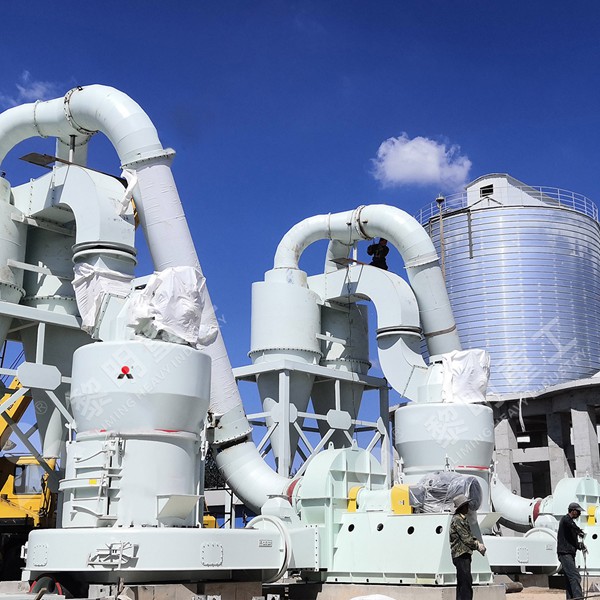
The operational benefits in high electricity cost regions are clear: a substantial reduction in the largest variable cost of powder production. This energy efficiency also correlates with lower maintenance costs. Efficient grinding generates less excess heat, reducing thermal stress on mechanical parts and lubricants. Furthermore, the stable operation promoted by automated systems leads to less wear and tear on grinding rings and rollers. For calcite processors, this means not only lower kilowatt-hour bills but also extended intervals between shutdowns for part replacement, maximizing uptime and profitability.
In conclusion, navigating high electricity costs requires moving beyond conventional grinding solutions. LIMING HEAVY INDUSTRY's focus on energy-efficient Raymond mill technology, exemplified by the MTW and MW series, offers a robust pathway. Through sophisticated engineering, system-wide integration, and smart automation, these mills transform calcite processing from a cost center vulnerable to energy price fluctuations into a more predictable, efficient, and competitive operation. Investing in such technology is an investment in long-term operational resilience and sustainability.
FAQ
Q1: How much energy savings can we realistically expect with this new Raymond mill compared to an older model?
A: While savings depend on the specific application and original equipment, modern mills like the MTW series can achieve 20-40% lower energy consumption per ton of finished calcite powder due to optimized grinding mechanics, efficient classifiers, and closed-loop air systems.
Q2: Is the system complex to operate and maintain for our existing staff?
A: Not at all. A key design priority is user-friendliness. The automated control system simplifies operation, and the modular design of major components like grinding rollers allows for easier access and maintenance compared to traditional designs.
Q3: Can these mills handle variations in calcite feed size or moisture content efficiently?
A> Yes. The combination of variable-frequency feeders and intelligent control systems allows the mill to automatically adjust to reasonable variations in feed characteristics, maintaining stable operation and preventing energy waste from process upsets.
Q4: For producing very fine calcite powder (e.g., over 1250 mesh), is the Raymond mill still the best energy-efficient choice?
A> For superfine applications beyond the standard Raymond mill range, the MW Micro Powder Mill is recommended. It is engineered specifically for energy-efficient superfine grinding, making it a suitable choice for high-value, fine-ground calcite.
Q5: Does the energy-saving design compromise the final product quality or production capacity?
A> On the contrary. The precise grinding control and efficient classification often lead to a more consistent particle size distribution (PSD) and can allow for higher throughput due to more efficient use of the input energy. Capacity and quality are enhanced, not compromised.


