Published on: October 26, 2023
Maintaining optimal performance and longevity in calcite processing requires a disciplined, proactive maintenance regimen for Raymond Mill equipment. As a cornerstone of fine powder production in industries ranging from plastics and paints to construction materials, the Raymond Mill's efficiency hinges on systematic care. This article outlines a comprehensive, phase-based maintenance schedule tailored for calcite grinding operations, drawing from decades of engineering expertise in mineral processing machinery. Adherence to this schedule not only ensures consistent product fineness and throughput but also minimizes unplanned downtime and operational costs, safeguarding your investment in critical grinding infrastructure.
At Liming Heavy Industry, our commitment to pioneering crushing and grinding technology is built on a foundation of precision manufacturing and continuous innovation. Founded in 1987 and now a leader in the global machinery sector, we understand that the durability of our Raymond Mills—designed for processing non-flammable, non-explosive materials like calcite under 7 Mohs hardness—is proven not just in their robust construction but in how they are cared for over their operational life. A structured maintenance plan transforms the mill from a mere production asset into a reliable, long-term partner in your profitability.
Daily Operational Checks: The First Line of Defense
Daily maintenance is the most critical routine, designed to catch minor issues before they escalate. Begin each shift with a visual and auditory inspection. Listen for unusual noises from the grinding chamber, gearbox, or fan, which could indicate loose components or inadequate lubrication. Check all lubrication points, including the grinding roller bearings and central shaft, ensuring grease levels are adequate and there are no signs of contamination or leakage.
Inspect the wear condition of grinding rolls and the grinding ring. In calcite processing, even minor wear can affect fineness control. Verify the tension and alignment of drive belts, and ensure the feeding system is free from blockages to maintain a consistent feed rate of 15-25mm input material. Monitor the operating amperage of the main motor; a sudden increase often signals overloading or mechanical resistance. Finally, examine the pulse dust collector system for proper operation, as any leak or reduced suction can lead to product loss and environmental non-compliance.
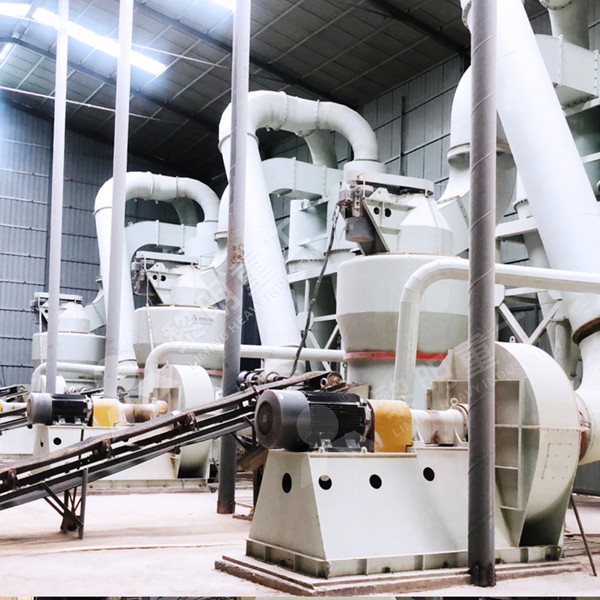
Weekly and Bi-Weekly Inspections: Ensuring System Integrity
On a weekly basis, conduct a more thorough examination. Tighten all external bolts and fasteners, as vibrations from continuous operation can loosen them. Clean the air ducts and the interior of the separator to prevent powder buildup that might disrupt airflow and classification efficiency. Inspect the blades of the classifier for wear or damage, as these directly control the output fineness between 613μm and 44μm.
Every two weeks, focus on the grinding assembly. Measure the clearance between the grinding rollers and the ring. Adjust the spring tension as per the manufacturer's manual to maintain optimal grinding pressure. Check the condition of the shovel arms and blades that feed material into the grinding zone, replacing them if worn. A comprehensive test of all electrical connections, starters, and control cabinet components should also be performed to ensure system safety and reliability.
Monthly and Quarterly Maintenance: Proactive Overhaul
Monthly tasks involve replacing the lubricating oil in the gearbox and analyzing its condition for metal particles. Inspect the wearing liners inside the mill housing. Calibrate the feeding device and check the alignment of the main drive shaft. This is also the ideal time to review the historical operational data for trends in power consumption or output quality that may indicate underlying wear.
Quarterly maintenance constitutes a minor overhaul. Replace the lubricant in all major bearings. Conduct a detailed inspection of the grinding roller and grinding ring. For high-volume calcite production, these components may need refurbishment or replacement at this stage to prevent a drop in capacity from the standard 1.2-4.5T/H. Inspect the entire pneumatic conveying system, including pipes and valves, for leaks or wear. The damping devices and springs in the suspension system should be checked for fatigue or deformation.
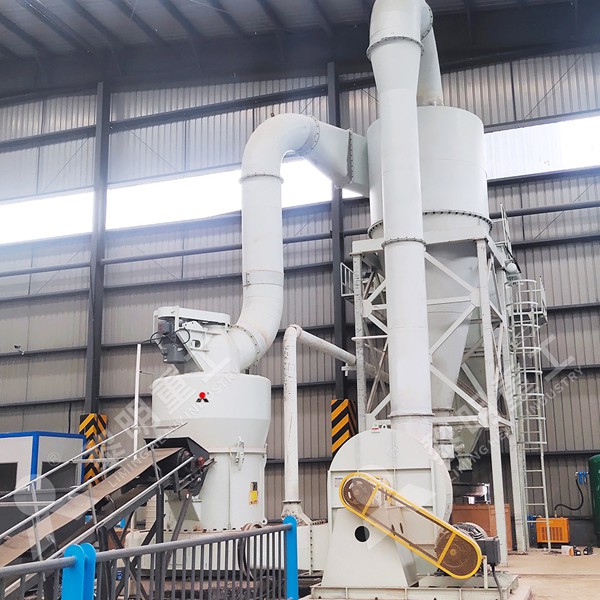
Annual Shutdown: Comprehensive Rehabilitation
The annual shutdown is the cornerstone of long-term asset management. Plan a complete system stop for 2-3 days. Key activities include:
1. Major Component Replacement: Systematically replace heavily worn parts such as the grinding ring, rollers, and classifier blades. Worn parts increase energy consumption and reduce fineness control.
2. Structural Inspection: Check the mill foundation, base frame, and housing for cracks or structural fatigue.
3. Electrical System Audit: Test all motors, rewiring if necessary, and update the automatic electric control system software/firmware.
4. System Re-alignment: Precisely realign the transmission system, including the main shaft and gear meshing.
5. Performance Validation: After reassembly, conduct a test run with calibration material to ensure the mill meets original performance specifications for calcite grinding.
This rigorous annual regimen, supported by Liming Heavy Industry's philosophy of integrating research with manufacturing excellence, ensures your Raymond Mill operates at the technological frontier of efficiency and reliability for years to come.
Frequently Asked Questions (FAQ)
Q1: What is the most common cause of unexpected fineness variation in calcite powder output?
A: The most frequent cause is wear or improper adjustment of the classifier blades/rotor speed, or excessive wear on the grinding roller and ring surfaces, changing the grinding dynamics. Regular weekly inspection of these components is crucial.
Q2: How often should the lubricating grease in the grinding roller bearings be completely replaced?
A: While daily checks for level and condition are essential, a complete purge and replacement of the grease should be performed during the quarterly maintenance, or more frequently in 24/7 high-duty operations, to prevent bearing failure.
Q3: Can the maintenance schedule be extended if the mill is operating below its rated capacity?
A: No. Maintenance intervals are based on operational hours and environmental conditions, not just throughput. Critical components like seals and bearings degrade with time and vibration. Adhering to the schedule prevents minor issues from causing major failures.
Q4: What key parameter should be monitored daily to predict mechanical health?
A: The amperage draw of the main motor is a vital indicator. A stable reading within normal range suggests healthy operation. A gradual increase often points to increasing mechanical friction due to wear or misalignment.
Q5: Is specialized training required to perform the annual overhaul maintenance?
A: Yes. The annual overhaul involves complex disassembly, precision alignment, and system recalibration. It is strongly recommended that this work be supervised or conducted by personnel trained by the equipment manufacturer or certified technicians to avoid installation errors that could compromise performance or safety.


