Published: October 26, 2023
Operating industrial machinery in the Middle East presents a unique set of challenges, from extreme heat and abrasive dust to water scarcity and high humidity fluctuations. For processing critical minerals like calcite—a cornerstone of construction, plastics, and chemical industries—selecting grinding equipment that can withstand these conditions while delivering consistent fineness and reliability is paramount. Liming Heavy Industry, with over three decades of engineering expertise, designs and manufactures a range of calcite grinding mills that integrate climate-resilient features, energy-efficient operation, and robust construction. This article explores the specific adaptations of our LM Vertical Roller Mill, Raymond Mill, MTW European Type Grinding Mill, MW Micro Powder Mill, and Ball Mill, detailing how their design philosophies and operational principles make them ideally suited for the demanding environments found across the Middle Eastern region.
The cornerstone of reliable operation in high-temperature climates is thermal management and system integrity. Liming Heavy Industry's grinding systems are engineered with this as a core consideration. For instance, our LM Vertical Roller Mill integrates grinding, drying, and classification in a single, compact unit. Its closed-circuit system is particularly advantageous in dusty environments, minimizing the ingress of external abrasive particles that can accelerate wear. The mill's ability to handle hot air (up to 350°C) for drying is a critical feature, allowing it to process calcite with inherent or surface moisture efficiently, even when ambient humidity spikes. The centralized electrical control system is housed in sealed, climate-controlled cabinets to protect sensitive components from dust and heat.
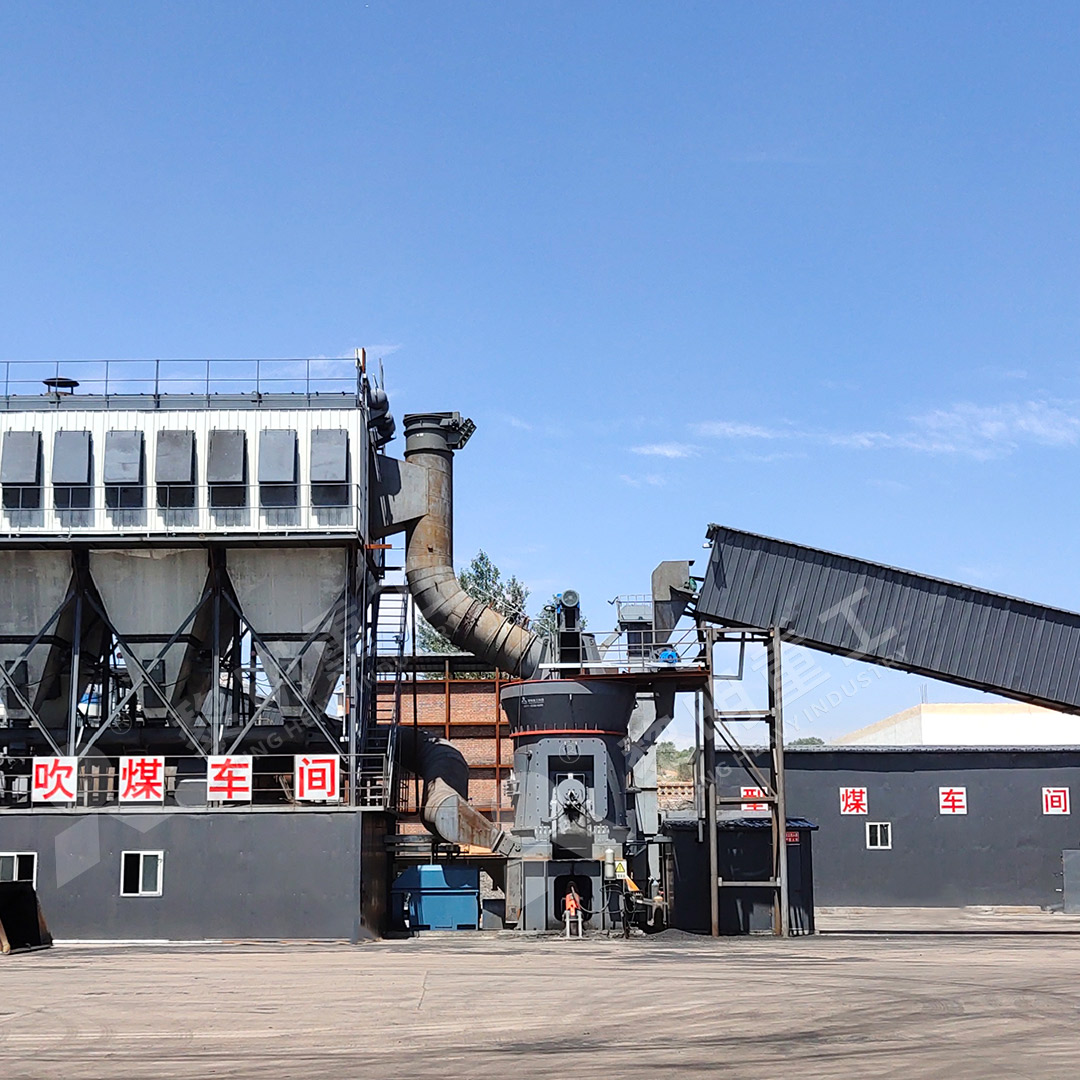
When the application requires fine to ultra-fine calcite powder, our Raymond Mill (MTW European Type Grinding Mill) and MW Micro Powder Mill offer superior solutions. The MTW Mill, an advancement on traditional Raymond mill designs, features a bevel gear overall drive and curved air duct. These are not just for efficiency; the sealed gear transmission is less susceptible to dust contamination compared to open chain drives, a common point of failure in sandy conditions. Its internal centrifugal separator and pulse dust collector ensure that the fine calcite powder is contained within the system, reducing plant dusting and material loss—a vital consideration for both operational cleanliness and product yield.
For the highest fineness requirements (d97 ≤ 5μm), the MW Micro Powder Mill excels. Its technology, which incorporates advanced grinding mechanics, operates with a lower internal temperature rise during milling. This is crucial for calcite, as excessive heat can affect the crystal structure and quality of the final product. The mill's comprehensive pulse dust collection system is designed for high filtration efficiency, ensuring that even in environments where external dust is a challenge, the purity of the produced calcite powder remains uncompromised.
Durability in the face of abrasive materials is non-negotiable. Calcite itself can be moderately abrasive, and when combined with the ever-present desert silica dust, equipment wear rates can skyrocket. Liming's mills address this through material science and intelligent design. Grinding rollers and rings in our Raymond and MTW mills are manufactured from high-chromium or alloy steels with exceptional hardness and wear resistance. The Ball Mill, a workhorse for calcite grinding, utilizes liners and grinding media (steel balls) that are selected for maximum service life. Its simple, robust horizontal design has fewer precision surfaces exposed to the environment, making it inherently resilient. The system's design minimizes points where abrasive dust can infiltrate bearings and transmission components.
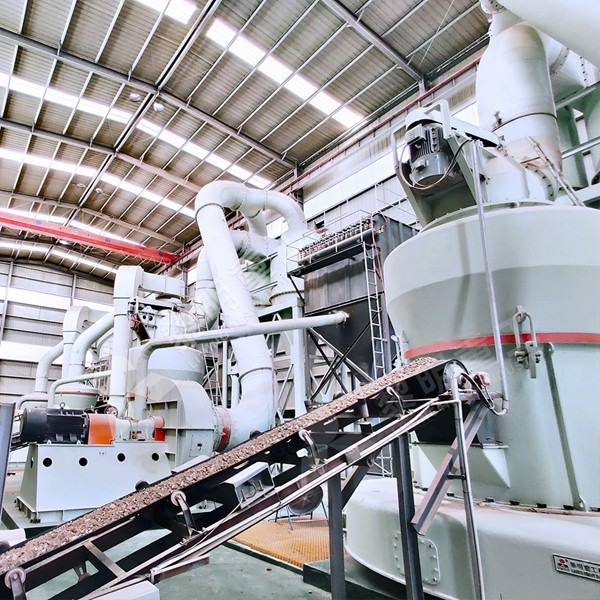
Finally, the Middle East's strategic focus on sustainable development aligns perfectly with Liming Heavy Industry's commitment to energy efficiency and environmental protection. All our calcite grinding solutions, from the large-capacity LM Vertical Mill to the superfine MW Mill, are designed to minimize specific energy consumption (kWh/ton). The vertical mills, in particular, use 30-50% less energy than traditional ball mills for the same output, a significant operational cost saving. Furthermore, every system is equipped with high-efficiency pulse jet bag dust collectors or other advanced filtration, ensuring that emissions are controlled to meet stringent international and local environmental standards, contributing to cleaner production even in harsh climatic zones.
In conclusion, selecting the right calcite grinding equipment for the Middle East goes beyond mere capacity specifications. It requires a holistic view of climate resilience, operational efficiency, and long-term maintenance costs. Liming Heavy Industry's portfolio offers tailored solutions that embed durability, thermal control, dust resistance, and energy savings into their core design. By partnering with an experienced manufacturer that understands these regional imperatives, businesses can secure a reliable, high-performance foundation for their calcite processing operations, ensuring productivity and product quality for years to come.
Frequently Asked Questions (FAQ)
Q1: How do your mills handle the extreme summer temperatures (often above 45°C) common in the Middle East?
A1: Our equipment is designed with high-temperature bearings, specialized lubricants, and enhanced cooling provisions for critical components like reducers and motors. The electrical control cabinets are often specified with air conditioning units or heat exchangers to maintain optimal internal temperatures for sensitive electronics.
Q2: What measures are taken to protect the grinding systems from pervasive sand and dust?
A2> We employ multiple strategies: sealed transmission systems (like bevel gears), labyrinth seals on rotating shafts, pressurized sealing air systems on certain models, and recommending the integration of our mills into enclosed plant structures. The integral high-efficiency pulse dust collectors are key to maintaining a clean internal milling circuit.
Q3: For a new calcite processing plant targeting 400 mesh powder, which mill would you recommend and why?
A3: For this fineness and considering Middle East conditions, the MTW European Type Grinding Mill is an excellent choice. It offers robust construction, efficient classification for that particle size range, superior dust control, and lower energy consumption compared to traditional Raymond mills, leading to better overall operational economy.
Q4: Is the availability of water for cooling a concern with your grinding equipment?
A4> Most of our grinding systems, including the LM Vertical Mill, Raymond/MTW Mills, and MW Micro Powder Mill, are air-swept and dry-process mills. They do not require water for the grinding process itself. Any water cooling needed for auxiliary equipment (like compressors) is minimal and can often be handled with closed-circuit, recirculating systems to conserve water.
Q5: How does the abrasive nature of calcite and ambient dust impact maintenance schedules and spare part life?
A5> While our wear parts are made from premium materials for extended life, operating in abrasive environments will naturally increase wear rates. We provide detailed maintenance guides and can recommend optimal inspection intervals based on local conditions. Using genuine Liming wear parts ensures performance and life expectancy are maintained, and our global supply chain supports timely delivery to minimize downtime.


