Published on: October 26, 2023
The Southeast Asian market for industrial minerals, particularly calcite powder, is experiencing robust growth driven by construction, plastics, paints, and paper industries. For manufacturers and processors in this region, selecting the right grinding equipment is paramount to achieving the desired product quality, operational efficiency, and cost-effectiveness. Among the various technologies available, the Raymond Mill stands out as a proven, reliable, and versatile solution for calcite powder processing. With decades of engineering refinement, modern Raymond Mills, such as those developed by LIMING HEAVY INDUSTRY, offer an optimal balance of fine grinding capability, energy efficiency, and system stability, making them ideally suited to meet the specific demands and evolving standards of Southeast Asia's dynamic industrial landscape.
Calcite, a naturally occurring form of calcium carbonate (CaCO3), is a cornerstone mineral for numerous applications. Its value is directly linked to its purity and particle size distribution (PSD). The processing journey from raw calcite lumps to a consistent, high-quality powder demands precision grinding. This is where the engineering excellence of a Raymond Mill becomes critical. The traditional pendulum-style grinding mechanism, perfected over generations, applies centrifugal force to roll grinding rollers against a stationary grinding ring, crushing and pulverizing the feed material. The modern iterations from LIMING HEAVY INDUSTRY incorporate advanced features that enhance this core principle, ensuring the mill can handle the moderate hardness of calcite (around 3 on the Mohs scale) with exceptional finesse and control.
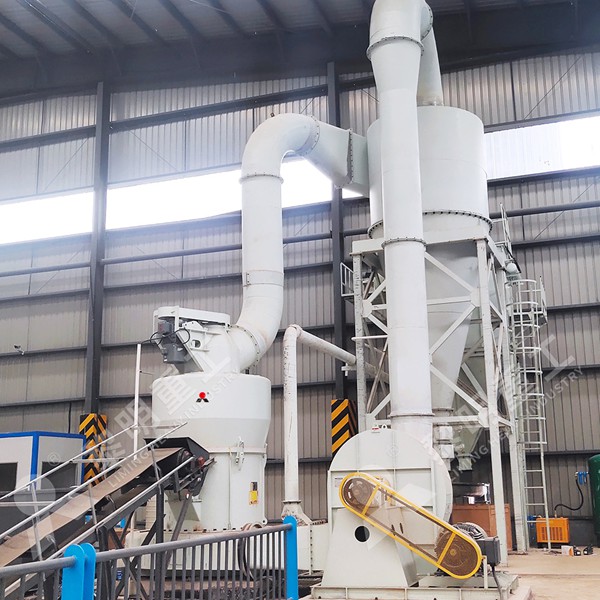
The operational advantages of the Raymond Mill for calcite are multifaceted. Firstly, its ability to produce powders in a fineness range of 44μm to 613μm (approximately 325 to 30 mesh) covers the vast majority of industrial specifications required in Southeast Asia. Whether for coarse fillers in plastics or fine coatings in paper, the adjustable classifier system allows for precise control over the final product's top cut and PSD. Secondly, the integrated system design—encompassing grinding, drying, classifying, and conveying—creates a streamlined, space-efficient production line. For regions with high humidity, the mill's inherent drying capability, when paired with a hot air source, is invaluable for processing calcite with moisture content below 6%, preventing clogging and ensuring smooth operation.
LIMING HEAVY INDUSTRY's commitment to "scientific research tackling key problems and technological progress" is evident in their Raymond Mill design. Key innovations focus on durability and maintenance. The grinding rollers and rings are crafted from high-wear-resistant materials, significantly extending service life and reducing downtime for part replacement—a crucial factor for maintaining productivity in remote or resource-constrained settings. Furthermore, the environmental aspect is not overlooked. The system operates under negative pressure, effectively containing dust. When equipped with an efficient pulse dust collector, the entire grinding process meets stringent environmental protection standards, which are becoming increasingly important across Southeast Asian nations.
When evaluating grinding solutions, it's essential to consider the entire ecosystem of the processing plant. A Raymond Mill from LIMING HEAVY INDUSTRY is not just a standalone machine; it is the heart of a system. The typical configuration includes jaw crushers for primary size reduction, vibrating feeders for consistent material flow, the Raymond Mill itself, a high-efficiency classifier, a centrifugal blower, cyclones, and baghouse dust collectors. This turnkey approach, backed by LIMING's expertise as a leader in domestic and overseas machinery manufacturing since 1987, provides customers with a cohesive and optimized solution, minimizing integration headaches and ensuring all components work in perfect harmony.
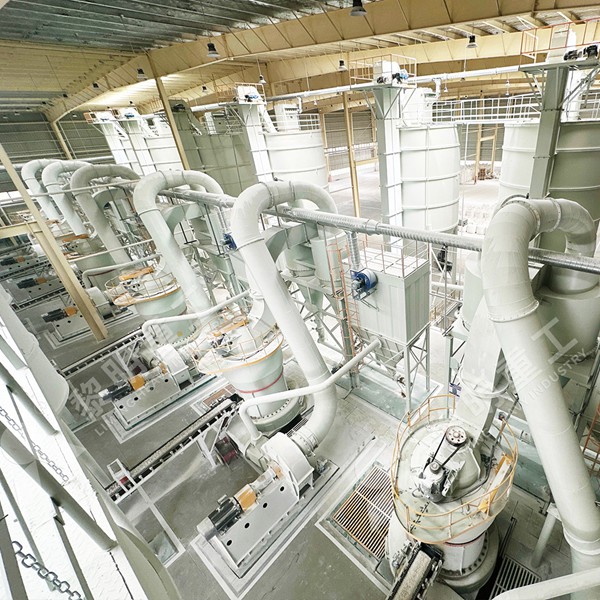
For Southeast Asian investors and plant managers, the decision often comes down to a balance between performance, reliability, and total cost of ownership. The Raymond Mill presents a compelling case. Its mechanical simplicity compared to some ultra-fine grinding systems translates to lower initial investment, easier operator training, and more straightforward maintenance. The proven technology offers high operational stability, minimizing unexpected shutdowns that can disrupt supply chains. With capacities ranging from 1.2 to 4.5 tons per hour (and higher capacities available in other mill series like the MTW European Type Grinding Mill), it scales effectively for small to medium-sized production requirements that are common in the region's growing industrial sectors.
In conclusion, as the demand for high-quality calcite powder continues to surge in Southeast Asia, the choice of processing equipment will be a defining factor for business success. The Raymond Mill, especially the evolved models offered by LIMING HEAVY INDUSTRY, represents a time-tested yet continuously improved technological path. It delivers the necessary fineness, system reliability, and environmental compliance that modern industries demand. By partnering with an experienced manufacturer with a strong R&D backbone and a global perspective, calcite processors can secure a robust foundation for productivity and growth in this competitive and promising market.
Frequently Asked Questions (FAQs)
1. What is the typical fineness range achievable for calcite powder using a Raymond Mill?
A standard Raymond Mill can reliably produce calcite powder with a fineness between 44μm (325 mesh) and 613μm (30 mesh). The final fineness is adjustable via the built-in classifier system to meet specific customer requirements.
2. Can the Raymond Mill handle wet or sticky calcite ore?
The standard Raymond Mill is designed for materials with moisture content less than 6%. For feed material with higher moisture, the system can be integrated with a hot air generator to effectively dry the material during the grinding process, preventing clogging.
3. How does the Raymond Mill ensure consistent product quality?
Consistency is achieved through the closed-circuit grinding and classifying system. Oversized particles are separated by the classifier and returned to the grinding chamber for further milling, while only particles meeting the target fineness are collected as final product, ensuring a uniform particle size distribution.
4. What are the main wear parts in a Raymond Mill, and what is their typical service life?
The primary wear parts are the grinding rollers and the grinding ring. Their service life depends on the material's abrasiveness and operating hours. LIMING HEAVY INDUSTRY uses high-chrome or alloy steel for these components to maximize durability, often lasting for several thousand hours of operation before requiring replacement.
5. Is the Raymond Mill system environmentally friendly regarding dust emission?
Yes. The entire grinding system operates under negative pressure. Any fugitive dust is captured and recycled. Furthermore, the system is typically equipped with a high-efficiency pulse jet bag filter dust collector, ensuring that exhaust emissions comply with international and local environmental standards.


