Published: October 26, 2023
This article explores the specialized application of Raymond Mill technology for processing calcite, with a focus on advanced vibration damping foundation design. We detail how LIMING HEAVY INDUSTRY integrates robust engineering principles, precision manufacturing, and innovative system design to deliver stable, high-efficiency milling solutions that minimize operational vibrations, protect structural integrity, and ensure consistent production of high-quality calcite powder.
Calcite, a fundamental non-metallic mineral, demands precise grinding to achieve the fineness required across industries like plastics, paints, coatings, and construction materials. The inherent challenge in milling such materials lies in managing the mechanical vibrations generated during operation. Unchecked vibrations can lead to premature wear of components, structural fatigue in the mill and building, increased noise pollution, and inconsistent product fineness. Recognizing this, LIMING HEAVY INDUSTRY has developed a comprehensive approach centered on its Raymond Mill, enhanced by a scientifically engineered vibration damping foundation system.
At the core of this solution is LIMING's Raymond Mill, engineered for processing non-flammable, non-explosive materials with Mohs hardness under 7 and humidity less than 6%. For calcite, this mill is exceptionally suitable. Its grinding mechanism involves rollers rotating against a grinding ring, crushing fed material which is then carried by an air stream to a classifier. The system's efficiency allows it to produce calcite powder with fineness adjustable between 44μm and 613μm (approximately 325 to 30 mesh), meeting diverse application specifications. The mill's design philosophy prioritizes stability and smooth operation as foundational requirements.
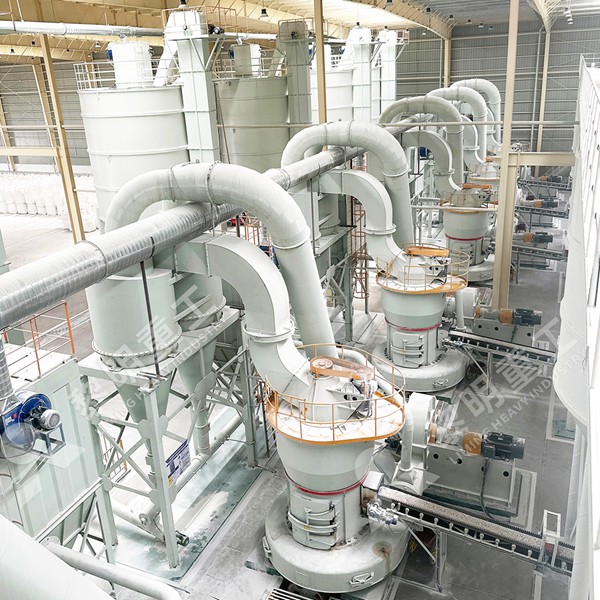
The true innovation, however, lies in the integration with a dedicated vibration damping foundation. This is not a standard concrete pad but a multi-layered isolation system designed by LIMING's engineering team. The design typically incorporates inertia blocks, high-damping elastomeric pads or springs, and carefully calculated mass-to-stiffness ratios. This system acts as a low-pass filter, effectively isolating the high-frequency vibrations produced by the grinding rollers and gear transmission from the plant floor. By absorbing and dissipating this kinetic energy, the foundation dramatically reduces the transmission of dynamic loads.
The benefits of this integrated design are substantial. Firstly, it protects the mill itself; reduced vibration stress extends the service life of critical components like the grinding roller assembly, shafts, and classifier bearings. Secondly, it safeguards the surrounding infrastructure, preventing vibration-induced cracks in floors and walls. Thirdly, it contributes to a safer and more comfortable working environment through lower noise levels. Finally, and crucially for product quality, a more stable milling platform ensures consistent grinding pressure and airflow, leading to a more uniform particle size distribution in the final calcite powder.
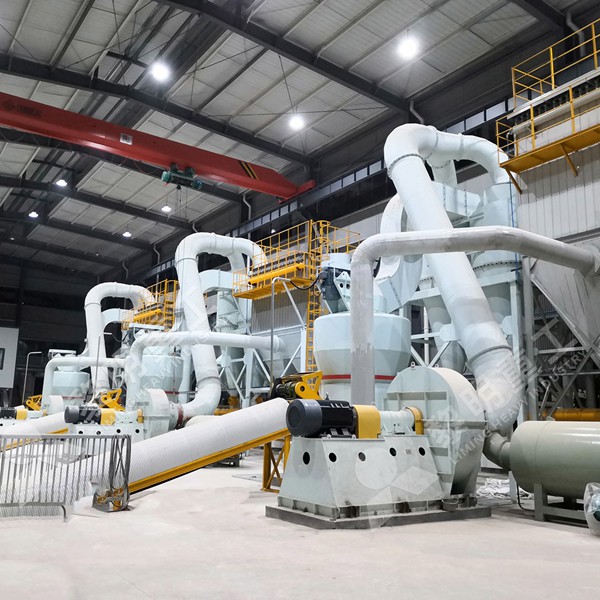
LIMING's commitment to this holistic design stems from its corporate ethos of "scientific research tackling key problems" and "technological progress." With over three decades of experience in manufacturing crushing and grinding equipment, the company's mature scientific research team focuses on the technological frontier. The development of such specialized milling systems exemplifies their "production, learning, and research" model, aiming squarely at improving the overall competitiveness and innovation capability of their product lines. The Raymond Mill with vibration damping foundation is more than just machinery; it is a turnkey stability solution for calcite processors seeking reliability, longevity, and superior product quality.
This approach is particularly relevant for high-capacity operations or installations in multi-story buildings or seismically sensitive areas. By offering this engineered foundation as part of the milling system package, LIMING HEAVY INDUSTRY provides clients with a complete, optimized solution, ensuring that the performance of their Raymond Mill for calcite is maximized from the ground up.
FAQ
Q1: What is the typical fineness range achievable for calcite with this Raymond Mill system?
A1: The system is capable of producing calcite powder with a fineness range between 44μm (~325 mesh) and 613μm (~30 mesh), which can be precisely adjusted to meet specific customer requirements.
Q2: Can the vibration damping foundation be retrofitted to existing mill installations?
A2: While it is most effective when designed and installed concurrently with the new mill, retrofit solutions can be engineered based on a site-specific vibration analysis and structural assessment of the existing foundation.
Q3: Does the damping foundation require special maintenance?
A3: The isolation components (like elastomeric pads or springs) are designed for long service life under constant load and typically require no routine maintenance. Regular visual inspections during planned mill shutdowns are recommended to check for any signs of degradation or damage.
Q4: How does this system handle feed material with slight moisture variations?
A4: The Raymond Mill is suitable for materials with less than 6% humidity. The integrated system's stability ensures consistent grinding performance even with minor, acceptable fluctuations in feed moisture. For materials with higher moisture, integrated drying systems can be discussed.
Q5: Is the system environmentally compliant regarding dust emission?
A5: Yes. The grinding system is a closed-circuit air flow design. It is typically equipped with high-efficiency pulse jet bag filter dust collectors, ensuring that emissions are controlled and comply with stringent national environmental protection standards.


