Published: October 26, 2023
In the demanding world of mineral processing, efficiency and uptime are paramount. Liming Heavy Industry addresses these critical needs head-on with its advanced calcite grinding solutions, engineered for user-centric operation and intelligent maintenance. By integrating sophisticated automatic fault diagnosis systems into robust grinding platforms like the MTW European Type Trapezium Mill and the MW Micro Powder Mill, Liming delivers machinery that not only produces high-purity calcite powder with exceptional fineness but also empowers operators with predictive insights and simplified troubleshooting. This combination of precision engineering and smart technology minimizes unplanned downtime, reduces operational complexity, and ensures consistent, high-yield production for industries ranging from plastics and paints to construction and chemicals.
For over three decades, Liming Heavy Industry Co., Ltd. has stood at the forefront of crushing and grinding equipment manufacturing. Founded in 1987 and headquartered in the HI-TECH Industry Development Zone of Zhengzhou, the company's philosophy is deeply rooted in a cycle of scientific research, precision manufacturing, and continuous innovation. This commitment is embodied in its calcite grinding portfolio, where decades of application knowledge converge with modern technological advancements. The result is a suite of machines where user-friendliness is not an afterthought but a fundamental design principle, seamlessly woven into every aspect from control interfaces to maintenance access points.
The cornerstone of this user-friendly approach is the embedded automatic fault diagnosis system. Imagine a grinding mill that communicates. Through a network of sensors monitoring vibration, temperature, pressure, and motor load, the machine continuously performs a health self-check. The system analyzes this data in real-time, comparing it against established operational baselines. When a parameter deviates from the norm—such as a rising bearing temperature or an unusual vibration pattern—the system doesn't just trigger a generic alarm. It identifies the most probable root cause, such as insufficient lubrication or a potential misalignment, and displays clear, actionable guidance on the human-machine interface (HMI) screen. This transforms fault resolution from a time-consuming diagnostic puzzle into a straightforward corrective procedure, significantly reducing the reliance on specialized technician intervention.
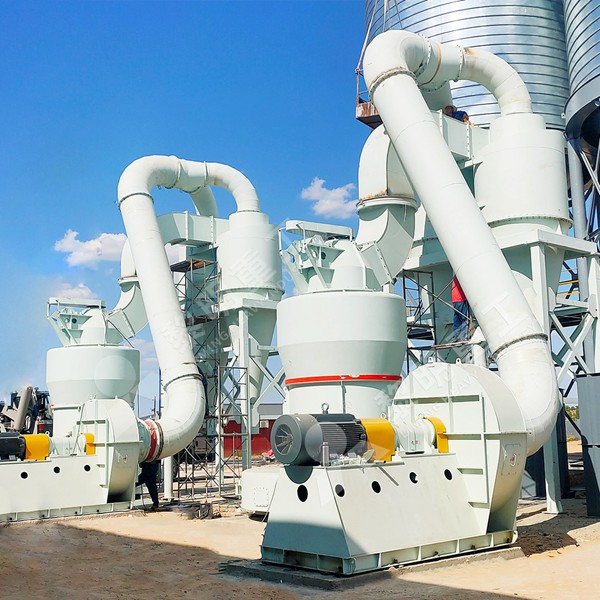
This intelligence is powerfully applied across Liming's grinding technologies. The MTW European Type Trapezium Mill, a leader in large-scale non-metallic mineral powder making, is a prime example. Its system—comprising the mill, separator, blower, and feeders—is governed by an automated electric control cabinet. The fault diagnosis module here can preempt issues like clogging in the feeding system, irregularities in grinding roller pressure, or inefficiencies in the closed-circuit airflow. For superfine calcite powder production reaching d97 ≤ 5μm, the MW Micro Powder Mill leverages its advanced Swedish-derived technology alongside smart monitoring. The system can diagnose anomalies in the grinding roller and ring raceway interaction or in the precision of the classifier, ensuring the final product's fineness remains consistently within specification.
User-friendliness extends far beyond fault alerts. It is embedded in the operational design. Modern HMIs with intuitive touchscreen controls allow operators to adjust grinding parameters, fineness, and feed rates with ease. Centralized lubrication systems for key components like grinding rollers and bearings simplify routine maintenance. The designs emphasize accessibility, with strategically placed inspection doors and modular components that facilitate easier part inspection and replacement. Furthermore, Liming's commitment to "production, learning, and research" means that with each machine, customers gain access to a wealth of application expertise and support, ensuring their teams can operate the equipment at peak proficiency.
The operational benefits are substantial. Automatic fault diagnosis dramatically reduces mean time to repair (MTTR) by pinpointing issues accurately. More importantly, it supports predictive maintenance, helping to prevent minor issues from escalating into major failures that cause prolonged stoppages. This proactive approach safeguards the machine's longevity and protects the customer's investment. Enhanced operational stability directly translates to more consistent product quality, as the grinding conditions are maintained within optimal parameters. Ultimately, this intelligent, user-focused design lowers the total cost of ownership by boosting productivity, conserving energy, and maximizing the equipment's productive lifespan.
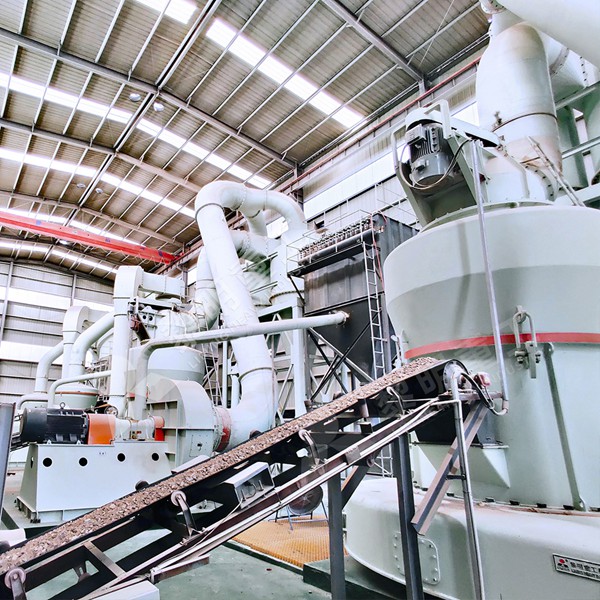
Liming Heavy Industry's calcite grinding machines represent a harmonious fusion of mechanical robustness and digital intelligence. By prioritizing the operator's experience through automatic fault diagnosis and intuitive design, Liming transforms complex grinding processes into reliable, efficient, and manageable operations. This empowers producers of calcite and other non-metallic minerals to meet the stringent demands of modern industries with confidence, ensuring their place in a competitive market driven by quality and efficiency.
Frequently Asked Questions (FAQ)
- What is the primary advantage of the automatic fault diagnosis system?
The primary advantage is the significant reduction in unplanned downtime. The system proactively identifies and diagnoses potential issues, providing specific guidance for correction, which allows for faster troubleshooting and prevents minor problems from developing into major equipment failures. - Which Liming mill is most suitable for producing superfine calcite powder below 10μm?
The MW Micro Powder Mill is specifically designed for superfine powder processing. It can consistently produce calcite powder with fineness up to d97 ≤ 5μm (3250 mesh), making it ideal for high-value applications requiring ultra-fine grades. - How does the user-friendly design simplify daily operation and maintenance?
It simplifies operations through intuitive touchscreen controls, centralized lubrication points, and easy-access panels for inspection. The design minimizes complex manual adjustments and makes routine maintenance tasks quicker and safer to perform. - Can these grinding machines handle materials other than calcite?
Yes. While optimized for calcite, technologies like the MTW European Mill and Raymond Mill are versatile. They are suitable for various non-flammable, non-explosive materials under Mohs hardness 7, including gypsum, limestone, talc, barite, and coal slag. - What kind of support does Liming provide to ensure optimal use of the fault diagnosis features?
Liming provides comprehensive training on the control system and diagnostic interfaces during commissioning. Furthermore, their technical support team offers remote assistance and can help interpret diagnostic data to ensure customers fully leverage the system's capabilities for predictive maintenance.


