Published: October 26, 2023
In the demanding field of non-metallic mineral processing, operational safety and equipment reliability are paramount. Liming Heavy Industry addresses these critical needs with its advanced High-safety Calcite Raymond Mill, engineered specifically for the fine grinding of calcite and other medium-hardness materials. This mill integrates a comprehensive suite of mechanical, electrical, and intelligent protection systems directly into its robust design, ensuring continuous, stable, and safe production while minimizing downtime and maintenance risks. It represents a significant evolution from traditional grinding equipment, prioritizing operator safety and asset protection without compromising on the fine powder quality and consistent throughput required by industries such as plastics, paints, and construction materials.
Building upon decades of expertise in crushing and grinding technology, Liming Heavy Industry has re-engineered the classic Raymond mill principle for the modern age. The core grinding assembly—comprising the grinding ring, rollers, and classifier—is constructed from high-wear-resistant alloys, providing inherent durability. However, the true innovation lies in the multi-layered protection framework that surrounds this core. The system is designed to preemptively identify and respond to potential fault conditions, transforming the mill from a mere processing tool into an intelligent, self-protecting asset.
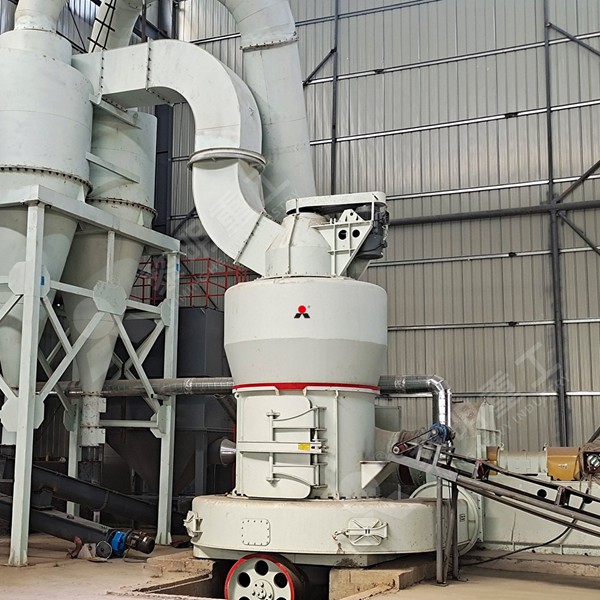
The mechanical protection system forms the first line of defense. Key components are equipped with vibration sensors and temperature monitoring points. Abnormal vibration in the grinding chamber, which could indicate a feed blockage, metal contamination, or mechanical imbalance, triggers an immediate alarm and can initiate an automated shutdown sequence to prevent catastrophic damage to the grinding elements. Similarly, bearing temperatures are continuously monitored. Should temperatures exceed safe thresholds—a sign of lubrication failure or overloading—the system intervenes to protect these critical components. Furthermore, the mill features enhanced mechanical seals and labyrinth designs that prevent powder ingress into the transmission system, a common cause of bearing failure in harsh powder environments.
Electrical and operational safeguards constitute the second critical layer. The mill's main drive motor is integrated with intelligent overload protection and phase-failure relays. This prevents burnout from voltage fluctuations or improper starting conditions. The automated feeding system is synchronized with the main motor's power consumption. If the mill motor draws excessive current, the feeder automatically reduces the feed rate to alleviate the load, maintaining optimal grinding conditions and preventing jams. Conversely, an underload condition will also trigger an alert, indicating potential feed interruption. The pulse dust collector, a standard part of the closed-circuit system, includes its own pressure differential monitoring. A significant increase in pressure drop alerts operators to potential bag filter issues, ensuring emissions remain within environmental standards and maintaining system airflow efficiency.
For operational ease and diagnostic clarity, the High-safety Calcite Raymond Mill is typically equipped with a centralized electrical control cabinet featuring a user-friendly PLC interface. This interface provides real-time readouts of all critical parameters: main motor current, classifier speed, fan flow, and temperatures at various points. More importantly, it logs all alarm and shutdown events, providing maintenance teams with clear diagnostic data to quickly identify root causes. This shift from reactive repair to proactive condition monitoring is a cornerstone of the mill's design philosophy, significantly enhancing overall plant safety culture and operational efficiency.
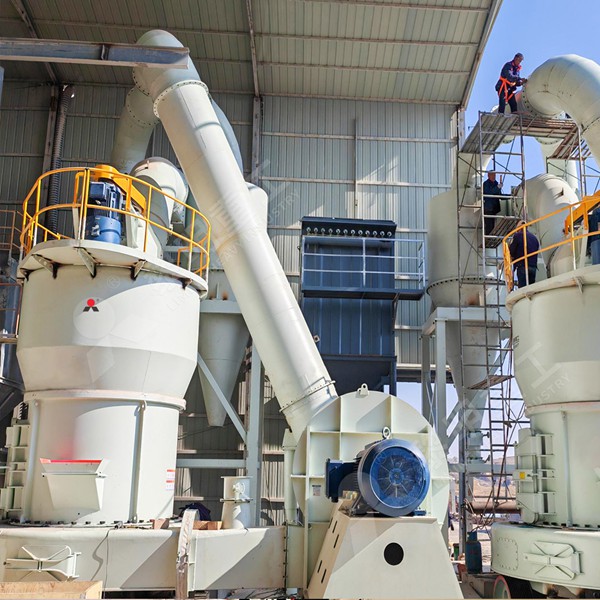
The application focus for this high-safety mill is the grinding of calcite (calcium carbonate) to fineness levels between 44μm (325 mesh) and 613μm. Calcite is a fundamental filler and modifier in numerous industries. The mill's precise classifier ensures tight particle size distribution, which is critical for product performance in applications like PVC pipes, masterbatch, and coated paper. The integrated safety systems provide the reliability needed for continuous 24/7 production lines, where unexpected stoppages can cause significant downstream disruption. By mitigating risks associated with mechanical failure, overheating, and operational errors, Liming Heavy Industry's solution protects not only the equipment but also the plant's productivity and the safety of its personnel.
In conclusion, Liming Heavy Industry's High-safety Calcite Raymond Mill transcends conventional grinding equipment by embedding protection at every operational level. It is a product of the company's commitment to "scientific research tackling key problems" and "technological progress," reflecting a deep understanding of the real-world challenges in mineral processing plants. This mill delivers more than just finely ground calcite; it delivers peace of mind, operational resilience, and a tangible return on investment through maximized uptime and minimized risk. It stands as a testament to intelligent engineering where performance and safety are seamlessly integrated.
Frequently Asked Questions (FAQ)
1. What are the primary materials this high-safety Raymond mill is designed for?
The mill is optimally engineered for grinding non-flammable, non-explosive materials with Mohs hardness under 7 and humidity below 6%, with a primary focus on calcite (calcium carbonate). It is also highly effective for gypsum, talc, barite, and other similar non-metallic minerals.
2. How does the mill prevent damage from metal or overly hard contaminants entering the grinding chamber?
The system employs multiple strategies. First, a magnetic separator can be installed at the feeder inlet. Second, and more crucially, advanced vibration sensors on the grinding unit can detect abnormal impacts or imbalances caused by foreign objects, triggering an alarm and potential automatic shutdown to prevent extensive damage to the grinding rollers and ring.
3. Can the fineness of the final product be adjusted during operation?
Yes. The fineness is primarily controlled by the speed of the built-in turbine classifier. Adjusting the classifier speed (via the PLC control system) allows operators to change the product fineness dynamically within the range of 44μm to 613μm without stopping the mill, offering great flexibility for different product specifications.
4. What happens if the bag filter in the dust collection system fails?
The pulse dust collector is monitored by a pressure differential sensor. A sudden or significant change in pressure indicates a potential bag breakage or blockage. The control system will alert the operator immediately. This early warning prevents loss of product (into the atmosphere) and maintains system vacuum, which is essential for proper mill operation and environmental compliance.
5. Is the automated protection system difficult for operators to manage or override?
The system is designed for intuitive operation. The PLC interface clearly displays the status and any active alarms. While automatic protections are in place for critical faults, authorized operators can acknowledge alarms and, where safe and appropriate, perform manual overrides for minor, non-critical conditions. Comprehensive training and clear manuals are provided to ensure safe and effective management.


