Published: October 26, 2023
For industries requiring high-purity calcite powder with stringent control over heavy metal contaminants, selecting the right milling technology is paramount. Liming Heavy Industry's optimized Raymond Mill system offers a specialized solution, combining proven grinding mechanics with modern process controls to produce fine calcite powders while minimizing the risk of metallic contamination from wear parts and ensuring consistent, low-impurity output. This article explores the technical adaptations, operational principles, and quality assurance protocols that make this system ideal for applications in pharmaceuticals, food additives, high-grade plastics, and premium paints where purity is non-negotiable.
Calcite, a naturally occurring calcium carbonate polymorph, is prized for its whiteness, brightness, and chemical properties. However, its value is severely diminished by the presence of trace heavy metals like lead, cadmium, mercury, or arsenic, which can be introduced from the ore itself or, critically, during the size reduction process. Traditional grinding equipment can inadvertently contribute to this contamination through the wear of grinding media, liners, and other metal components. Liming Heavy Industry addresses this challenge head-on with a Raymond Mill system engineered for purity.
The core of the solution lies in a multi-faceted approach. First, the grinding zone—comprising the grinding ring and rollers—can be equipped with specialized, high-wear-resistance ceramic or alloy linings. These materials are selected not only for their durability but for their inherent low propensity to introduce the specific heavy metals of concern. The system's design minimizes metal-to-metal contact in the product stream, and the mechanical configuration ensures that any minimal wear occurs in controlled, replaceable components.
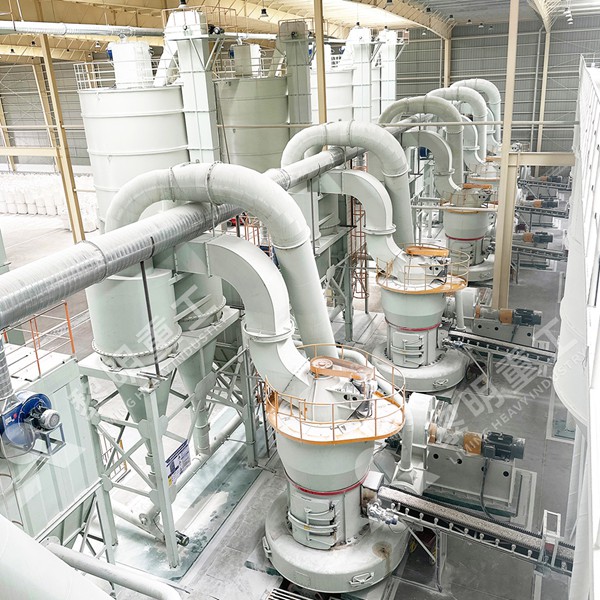
Second, the system leverages the inherent efficiency of the Raymond Mill principle. Material is fed into the grinding chamber and is ground between the rotating rollers and the stationary ring. The ground powder is then carried by the incoming air stream to the integrated classifier. This closed-circuit air system is a key advantage. It not only improves energy efficiency but also contains the product, reducing exposure to external contaminants. The precision classifier allows for tight control over the final particle size distribution (typically between 44μm and 613μm), ensuring that the product meets exact specification without over-grinding, which could increase surface area and potential for interaction.
Process control is fully integrated. An automatic electric control system manages feed rates, grinding pressure, air volume, and classifier speed. This automation ensures consistent operating parameters, which is directly linked to consistent product quality and minimized operational variance that could affect purity. The system includes advanced monitoring for bearing temperature and vibration, providing early warning of any irregularity that might affect performance.
For feed material preparation, Liming recommends a configuration that includes a jaw crusher for primary size reduction to below 25mm, followed by a variable-frequency vibrating feeder. This feeder ensures a steady, controllable feed rate into the mill, preventing overloads that could lead to inefficient grinding and increased wear. The entire system is topped with a high-efficiency pulse jet dust collector, ensuring that the operation meets stringent environmental standards and that no product is lost to the atmosphere.
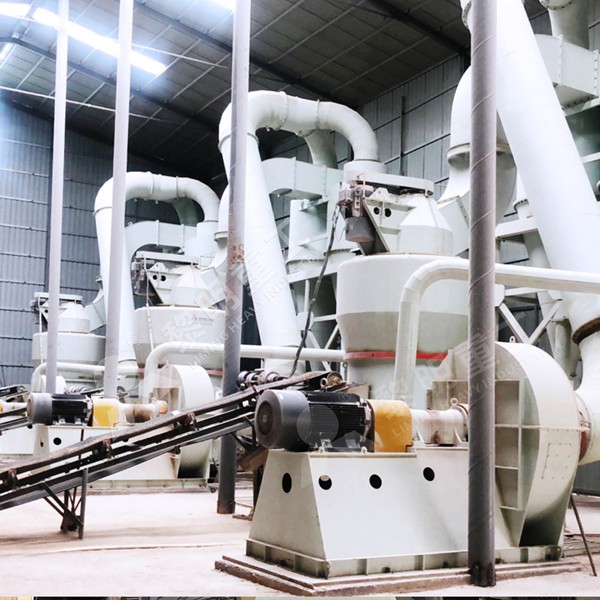
Liming Heavy Industry's commitment to this sector is backed by its corporate philosophy of "scientific research tackling key problems." With over three decades of experience in manufacturing crushing and grinding equipment and a dedicated R&D team focused on technological frontiers, the company develops solutions that address specific market needs. The calcite Raymond Mill system is a product of this philosophy, designed not just as generic equipment but as a tailored process line for high-purity applications. The company's large-scale production facilities in Zhengzhou ensure robust manufacturing quality control for every component.
Ultimately, for producers of premium calcite products, the choice of grinding system is a critical quality decision. An optimized Raymond Mill system from Liming Heavy Industry provides a reliable, controllable, and clean method to achieve the desired fineness while actively safeguarding against heavy metal contamination. It represents a balance of traditional milling effectiveness and modern material science and control engineering, delivering purity that processors can trust for their most demanding customers.
Frequently Asked Questions (FAQ)
1. What is the primary advantage of using a Raymond Mill for low-heavy-metal calcite over other mill types?
The Raymond Mill's closed-circuit air system and the ability to fit the grinding zone with specialized ceramic or low-contamination alloy parts are key. It minimizes the product's exposure to wearing metal components and allows for precise, controlled grinding without the high-impact forces of ball mills, which can generate more heat and wear.
2. Can this system handle other calcium carbonate minerals like limestone or marble for high-purity applications?
Absolutely. The system's design principles for minimizing contamination are equally effective for processing other forms of calcium carbonate (CaCO3). The feed size and system capacity can be configured based on the specific material's hardness and the required production output.
3. How is the final fineness of the calcite powder controlled in this system?
Fineness is precisely controlled by the speed of the integrated dynamic classifier. By adjusting the classifier's rotational speed, operators can select the desired particle size cut-point. The system's automation allows for stable maintenance of this setting to ensure batch-to-batch consistency.
4. What kind of after-sales support does Liming Heavy Industry provide for such a specialized system?
Support includes detailed installation guidance, comprehensive operator training on the control system and maintenance procedures, and readily available technical service. Given the focus on wear parts for purity, the company maintains a supply chain for recommended replacement rollers, rings, and other critical components.
5. Is the system energy-efficient compared to traditional grinding methods for calcite?
Yes. The Raymond Mill system's grinding mechanism, where rollers rotate against a stationary ring, is inherently efficient for medium-fine grinding. The recirculating air system and high-efficiency separator reduce energy waste. The automatic controls further optimize energy use by maintaining the mill at its ideal operating load.


