Published on: October 26, 2023
For industries requiring Halal-certified mineral processing, particularly in the production of calcite powder for food, pharmaceuticals, and cosmetics, selecting the appropriate grinding equipment is a critical decision that blends technical performance with stringent certification standards. Liming Heavy Industry Co., Ltd., with over three decades of expertise in manufacturing crushing and grinding machinery, offers a range of advanced milling solutions engineered to produce high-purity, consistently fine calcite powder while adhering to the rigorous principles required for Halal certification. This article explores the technical specifications, operational principles, and design philosophies behind Liming's suitable equipment, focusing on how modern engineering meets specialized industry demands for hygiene, traceability, and contaminant-free processing.
Founded in 1987, Liming Heavy Industry has evolved into a leader in domestic and international machinery manufacturing, operating from extensive facilities in Zhengzhou's HI-TECH Industry Development Zone and Shangjie Industry Park. The company's core strategy revolves around scientific research and technological innovation, with a mature R&D team continuously advancing product capabilities. This commitment to progress is essential for serving niche markets like Halal-certified mineral processing, where equipment must not only be efficient but also designed with specific material contact, cleanability, and process integrity in mind.
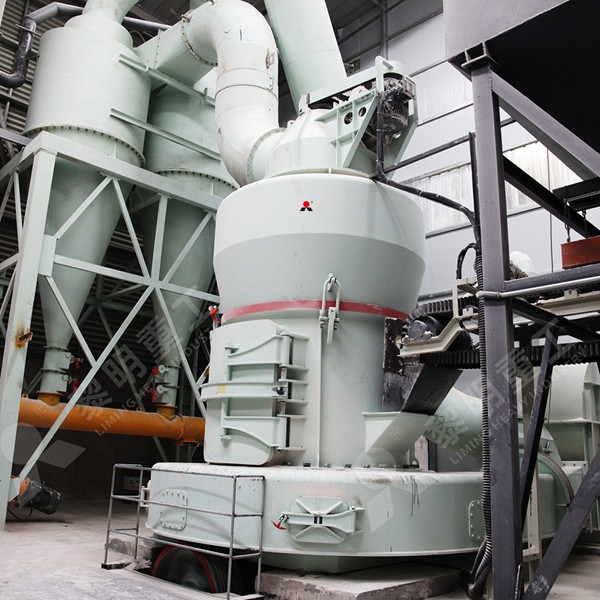
When processing calcite for Halal-sensitive applications, the entire production chain—from raw material handling to final powder collection—must prevent cross-contamination and ensure purity. Liming's grinding systems are designed as closed-circuit or efficiently isolated systems, minimizing external exposure. A key example is the MTW European Type Trapezium Mill. This system represents a significant upgrade from traditional Raymond mills, incorporating patented technology for stable performance and energy efficiency. Its working principle is ideally suited for controlled environments: large calcite lumps are first crushed by a jaw crusher and then evenly fed into the grinding chamber. The material is ground between rings and rollers, with the powder carried upward by an air flow. A precision separator ensures only particles meeting the target fineness proceed to collection, while oversize material is returned for regrinding. Crucially, the entire air flow is recycled within a closed system, and it is equipped with a pulse dust collector that maintains a clean operation, aligning with the hygiene standards paramount for Halal certification.
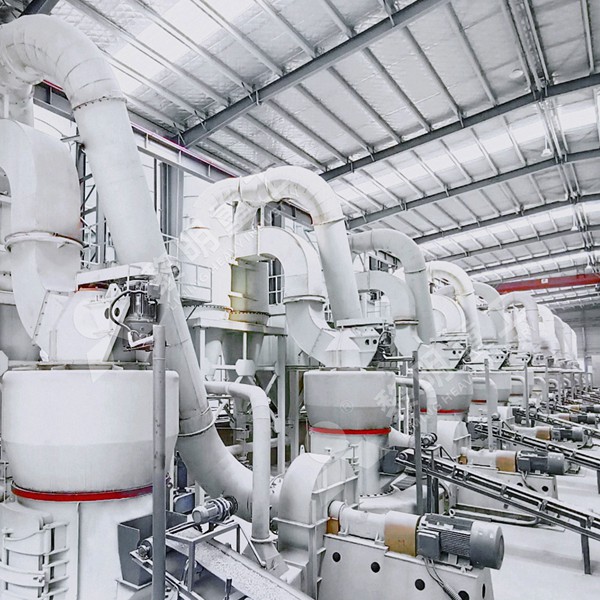
For applications demanding ultra-fine calcite powder, the MW Micro Powder Mill is a standout solution. Absorbing advanced Swedish grinding technology, this mill excels in superfine processing, achieving fineness up to d97 ≤ 5μm (approximately 3250 mesh). Its ability to produce extremely fine and consistent powder is vital for high-value calcite applications. The mill's design includes a precision transmission system where a reducer drives dozens of rollers to rotate against a raceway ring, pulverizing the material. Like the MTW mill, it operates with an integrated pulse precipitator, ensuring the process is environmentally friendly and contained. The capacity to adjust fineness between 325 to 3250 mesh offers manufacturers the flexibility to meet diverse Halal market specifications, from food additives to pharmaceutical excipients, all within a system designed for minimal risk of contamination.
The classic Raymond Mill remains a robust and widely used option for calcite grinding where the required fineness ranges between 44μm and 613μm. Known for its reliability in processing non-flammable, non-explosive materials like calcite, it suits operations with moderate capacity needs. Its simplicity and proven design make it easier to maintain and clean—an operational advantage for Halal-certified facilities that require regular, thorough sanitation protocols. Similarly, the LM Vertical Roller Mill integrates drying, grinding, powder selection, and conveying into a single, compact unit. This vertical design not only saves floor space but can also streamline the material path, reducing the number of transfer points where contamination could potentially occur. Its high capacity (up to 400 T/H) makes it suitable for large-scale production of Halal-certified calcite powder.
Underpinning all this equipment is Liming Heavy Industry's philosophy of "precision manufacturing, pioneering and innovation." For Halal certification, precision extends beyond particle size distribution to encompass the precision of material handling, the precision of system sealing, and the precision of maintenance access points. The company's modern management system and focus on technological frontiers ensure that its grinding solutions are not only mechanically sound but also conceptually aligned with the needs of regulated industries. The choice of materials for wear parts, the design of lubrication systems that prevent leakage, and the implementation of automated electric controls for consistent, repeatable operation all contribute to creating a process that can be audited and certified.
In conclusion, navigating the requirements for Halal-certified calcite powder production demands equipment that prioritizes purity, consistency, and controlled processing environments. Liming Heavy Industry's portfolio, from the high-capacity LM Vertical Roller Mill and the reliable Raymond Mill to the advanced MTW European Type Trapezium Mill and the superfine MW Micro Powder Mill, provides a spectrum of technologically mature solutions. By combining closed-system designs, efficient dust collection, and precision engineering, these mills offer a solid foundation for manufacturers aiming to meet both the technical and ethical standards of the global Halal market. Investing in such dedicated technology is a strategic step toward building a trustworthy and competitive supply chain for high-purity mineral products.
Frequently Asked Questions (FAQs)
- What specific design features in Liming's grinding mills support Halal certification requirements?
Key features include closed-circuit grinding systems that minimize airborne contaminants, pulse dust collectors that maintain internal cleanliness, the use of materials in contact zones that are non-absorbent and easy to sanitize, and designs that prevent lubricant leakage into the product stream. - Can the same grinding mill be used for both Halal and non-Halal mineral processing?
It is strongly discouraged. To maintain Halal integrity, dedicated production lines are recommended. Cross-contamination risks are significant. Liming can provide identical mill models configured for exclusive use in a Halal-certified facility. - How does the fineness adjustment work on the MW Micro Powder Mill, and why is it important for calcite?
Fineness is adjusted by changing the speed of the classifier within the mill. This allows production of calcite powder from 325 to 3250 mesh, enabling manufacturers to tailor the product for specific applications like food fortification (coarser) or pharmaceutical tablets (finer) within the Halal supply chain. - Does Liming Heavy Industry provide the Halal certification for the equipment itself?
No. Liming provides the engineered machinery designed to facilitate Halal-compliant processes. The actual Halal certification is administered by accredited Islamic bodies and applies to the entire production facility, process, and final product, not the individual machine. - What are the key maintenance considerations for keeping a grinding mill compliant with Halal production standards?
Regular, documented cleaning and sanitation procedures are essential. Maintenance should use Halal-approved cleaning agents. Wear part replacement schedules must be strict to prevent material degradation from contaminating the powder. All maintenance activities should be logged for audit trails.


