Published: October 26, 2023
Kaolin Raymond mill seal inspection is a critical maintenance procedure that directly impacts equipment reliability, product quality, and operational efficiency. At Liming Heavy Industry, with over three decades of experience in manufacturing large and medium-sized crushing and grinding equipment, we emphasize that regular seal inspection prevents dust leakage, reduces energy consumption, and extends the service life of Raymond mills. This comprehensive guide covers the key aspects of seal inspection for Kaolin Raymond mills, including common failure points, inspection protocols, and maintenance best practices, drawing from our extensive expertise in producing Raymond mills with capacities ranging from 1.2 to 4.5 T/H and input sizes of 15-25mm, widely used in non-metallic mineral processing such as calcium carbonate and gypsum crushing.
Understanding the Role of Seals in Kaolin Raymond Mills
Seals in a Raymond mill system serve multiple critical functions: they prevent the escape of fine kaolin particles into the environment, protect internal components from contamination, maintain proper pressure differentials within the grinding chamber, and ensure the lubrication system operates efficiently. In kaolin processing, where material fineness typically ranges from 613μm to 44μm, even minor seal failures can lead to significant product loss and increased maintenance costs. The seal system includes multiple components: the main shaft seal, roller assembly seals, air inlet and outlet seals, and the separator seal. Each plays a distinct role in maintaining the closed-loop operation of the mill, which relies on air flow to transport ground particles through the separator for classification.
Liming Heavy Industry’s Raymond mills are designed with robust sealing systems that withstand the abrasive nature of kaolin, which has a Mohs hardness of approximately 1-2. However, prolonged operation without inspection can lead to seal degradation due to material buildup, thermal stress, or mechanical wear. Regular inspection not only identifies issues early but also helps optimize mill performance, reduce downtime, and comply with environmental standards. Our experience shows that mills with properly maintained seals achieve up to 15% higher throughput compared to those with compromised seals, as air leakage disrupts the classification process and forces the mill to work harder to achieve target fineness.
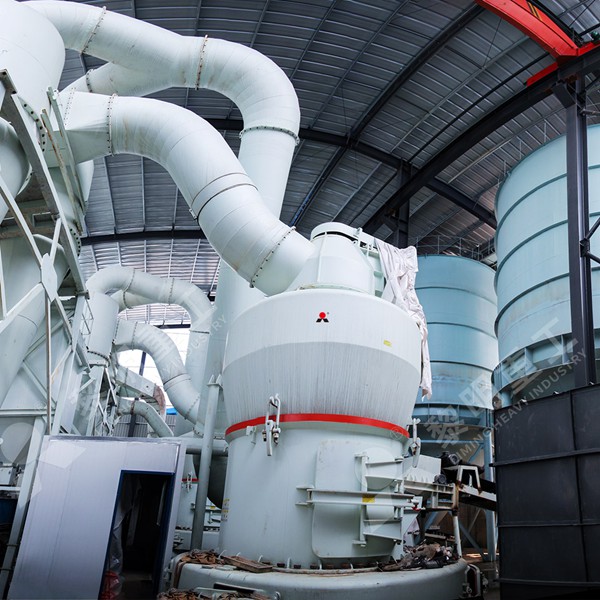
Common Seal Failure Modes in Kaolin Grinding
Seal failures in Raymond mills processing kaolin typically fall into several categories. First, abrasive wear occurs as fine kaolin particles become embedded in seal surfaces, gradually eroding them over time. This is particularly common in the roller assembly seals, where the rotating components experience constant friction. Second, thermal degradation happens when mill operating temperatures exceed seal material limits, causing hardening, cracking, or loss of elasticity. Third, chemical attack can occur if kaolin contains trace impurities that react with seal compounds, though this is less common with standard kaolin feed. Fourth, improper installation or misalignment during maintenance can cause premature seal failure, leading to uneven wear and leakage paths.
Signs of seal failure include visible dust leakage around the mill base, increased power consumption (as the blower compensates for air loss), reduced product fineness consistency, and unusual noises from the grinding zone. In severe cases, seal failure can allow foreign material to enter the lubrication system, causing bearing damage and requiring costly repairs. Liming Heavy Industry recommends that operators monitor these indicators daily and conduct formal seal inspections at intervals based on operating hours—typically every 500 hours for continuous operation or monthly for intermittent use. Our field data from over 200 Raymond mill installations worldwide indicates that 80% of seal-related issues are preventable with regular inspection and timely replacement.
Step-by-Step Seal Inspection Procedure
Before beginning any seal inspection, ensure the mill is completely shut down, locked out, and tagged out according to your facility’s safety protocols. Allow the mill to cool to ambient temperature, as hot surfaces can cause burns and affect seal measurement accuracy. The inspection process involves several systematic steps:
1. Visual External Inspection: Start by examining all external seal areas for signs of leakage, dust accumulation, or oil seepage. Use a flashlight to check around the main shaft seal where it exits the mill housing. Look for dust trails or discoloration that indicate air escaping under pressure. In kaolin processing, white powder residue is a clear indicator of seal failure. Also inspect the condition of gaskets on inspection doors and access panels, as these are common leak points.
2. Internal Seal Inspection: Open the mill housing access panels to inspect roller assembly seals and the separator seal. Check for uniform contact between seal surfaces and rotating components. Measure seal clearance using feeler gauges where applicable; excessive clearance (typically over 0.5mm for Raymond mills) indicates wear that requires adjustment or replacement. Examine seal material for hardening, cracking, or deformation. In Liming Heavy Industry’s design, roller seals are engineered for easy access, allowing technicians to replace them without disassembling the entire roller assembly.
3. Air Inlet and Outlet Seal Check: Inspect seals at the air inlet duct and outlet pipe connections. These are often overlooked but critical for maintaining proper air flow dynamics. Use a smoke pencil or sensitive airflow meter to detect minor leaks that may not be visible to the naked eye. Even small leaks here can reduce the mill’s classification efficiency by allowing unclassified particles to bypass the separator.
4. Lubrication System Seal Verification: Check seals in the lubrication system, including oil seals on the main shaft bearing and gearbox. Look for oil leaks or contamination. A properly sealed lubrication system should show no oil residue on external surfaces. If oil is present, it indicates a seal failure that could lead to bearing damage if left unaddressed.
5. Documentation and Recording: Document all inspection findings, including seal condition ratings, clearance measurements, and any corrective actions taken. Maintain a log for each mill to track seal life and identify patterns. This data helps optimize replacement schedules and reduces unplanned downtime. Liming Heavy Industry provides inspection templates with our mill documentation to facilitate this process.
Seal Maintenance and Replacement Best Practices
When inspection reveals seal wear beyond acceptable limits, timely replacement is essential. Liming Heavy Industry recommends using OEM-approved seal kits designed specifically for Raymond mills, as aftermarket seals may not meet the exact dimensional and material specifications required for kaolin processing. Replacement procedures should follow the manufacturer’s guidelines, which typically involve cleaning the seal housing, applying appropriate lubricant to seal lips, and ensuring proper alignment during installation. Torque all fasteners to specified values to avoid distortion that could cause premature failure.
For Raymond mills used in kaolin applications, consider upgrading to enhanced seal materials such as Viton or PTFE compounds that offer superior abrasion resistance and thermal stability. These materials can extend seal life by 30-50% in demanding environments. Additionally, implement proactive maintenance measures such as regular seal lubrication (if applicable), monitoring mill operating temperatures (ideally keeping them below 80°C), and maintaining proper feed consistency to reduce abrasive wear. Our MTW European Type Trapezium Mill, an upgrade of traditional Raymond mills, incorporates advanced sealing technology that has proven particularly effective in reducing maintenance frequency in non-metallic mineral applications.
Operational Tips for Extending Seal Life
Beyond inspection and replacement, operational practices significantly influence seal longevity. Ensure the mill is operated within its design parameters, particularly feed rate and material moisture content. Kaolin with moisture above 6% can cause material buildup on seals, accelerating wear. Use the variable-frequency belt feeder (standard on our Raymond mills) to maintain consistent feed without surging. Avoid overloading the mill, which increases internal pressure and stresses seals. Maintain proper air flow settings; excessive air velocity can erode seals, while insufficient air flow allows material to settle on seal surfaces.
Implement a preventive maintenance schedule that includes seal inspection as part of a broader mill health check. At Liming Heavy Industry, we recommend integrating seal inspection with other routine tasks such as roller and ring wear measurement, bearing temperature monitoring, and separator blade inspection. This holistic approach ensures that seal issues are caught early and addressed alongside other potential problems. Our technical support team provides on-site training for customer maintenance crews, covering seal inspection techniques and replacement procedures specific to each mill model.
Conclusion
Kaolin Raymond mill seal inspection is not merely a maintenance task—it is a strategic activity that protects equipment investment, ensures product quality, and supports operational sustainability. By following the procedures outlined in this guide and leveraging Liming Heavy Industry’s decades of experience in grinding equipment manufacturing, operators can maximize mill uptime and minimize repair costs. Regular inspection, combined with proper maintenance practices and operational discipline, will keep your Raymond mill performing at peak efficiency for years to come. For detailed seal inspection guidelines tailored to your specific mill model, consult your equipment manual or contact our technical support team.
Frequently Asked Questions
Q1: How often should I inspect the seals on my Kaolin Raymond mill?
A: For continuous operation, inspect seals every 500 operating hours or monthly for intermittent use. However, if you notice dust leakage or increased power consumption, perform an immediate inspection regardless of the schedule.
Q2: What are the most common signs of seal failure in a Raymond mill processing kaolin?
A: Visible dust leakage around the mill base, white powder residue on external surfaces, increased power draw, reduced product fineness consistency, and unusual grinding noises are the primary indicators.
Q3: Can I replace Raymond mill seals without professional training?
A: While basic seal replacement is possible for experienced maintenance personnel, we recommend following the manufacturer’s procedures or contacting Liming Heavy Industry’s technical support. Improper installation can cause premature failure and void warranties.
Q4: What type of seal material is best for kaolin grinding applications?
A: For kaolin, which is mildly abrasive, Viton or PTFE seals offer superior wear resistance and thermal stability compared to standard nitrile rubber. Liming Heavy Industry offers upgraded seal kits for demanding applications.
Q5: How does seal condition affect mill energy consumption?
A: Compromised seals cause air leakage, forcing the blower to work harder to maintain required air flow. This can increase energy consumption by 10-20%, depending on the severity of the leak. Proper seal maintenance helps optimize energy efficiency.


