Published on: October 26, 2023
Regular inspection and maintenance of grinding blade wear in Raymond Mills processing kaolin is a critical operational practice for ensuring consistent product fineness, maintaining energy efficiency, and maximizing equipment longevity. This article provides a detailed, professional guide on how to effectively check for blade wear in Raymond Mills, specifically within the context of kaolin milling operations. We will explore the signs of wear, systematic inspection procedures, the impact on kaolin product quality, and best practices for maintenance scheduling, drawing upon decades of engineering expertise from Liming Heavy Industry in designing and supporting robust grinding solutions.
Kaolin, or china clay, is a soft white clay essential in industries ranging from paper and ceramics to cosmetics. Its processing demands precision grinding to achieve specific particle size distributions, a task for which the Raymond Mill has long been a trusted workhorse. The heart of the grinding mechanism in a traditional Raymond Mill involves the centrifugal force-driven blades (or shovels) that lift and feed the material between the grinding rollers and the grinding ring. Over time, these blades are subjected to continuous abrasion from the hard, albeit relatively soft, kaolin feed and any incidental impurities. Wear alters the aerodynamic flow within the grinding chamber, directly impacting classification efficiency and final product output.
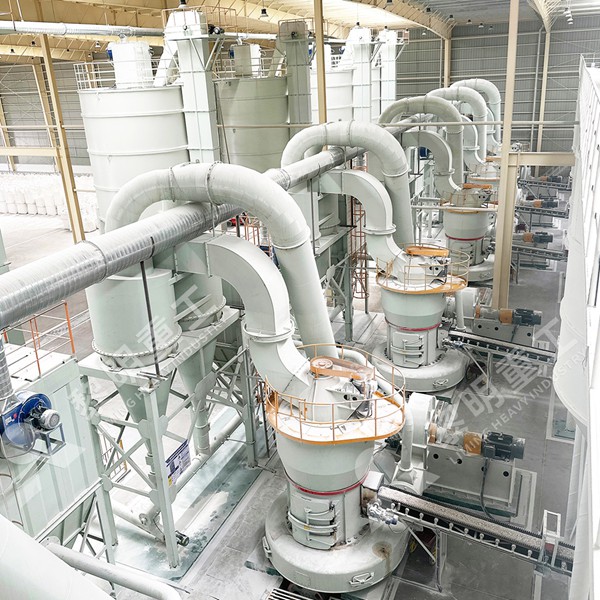 The first indicator of blade wear is often a gradual shift in operational parameters. Operators may notice a need to increase the fan speed to maintain the same air flow for material conveyance, or the mill motor may draw more current to achieve the target output fineness. A more tangible sign is a change in the physical product. Increased coarse particles in the finished kaolin powder or a broader particle size distribution are telltale signs that worn blades are not feeding material into the grinding zone optimally, causing inconsistent grinding and poor separation in the integrated classifier.
A systematic wear check involves a planned shutdown and internal inspection. Safety is paramount; the mill must be completely isolated from power and allowed to cool. After gaining access to the grinding chamber, a visual and physical measurement check is performed. Key metrics include: Blade Thickness Reduction: Compare the current thickness at several points along the blade with the original manufacturer's specification. Uneven wear patterns can indicate issues with feed distribution. Blade Tip Height/Shape: Worn blades will have reduced height and a rounded or irregular leading edge, diminishing their material-scooping efficiency. Clearance Check: The gap between the blade tip and the grinding ring liner should be measured. Excessive clearance due to blade wear allows unground material to bypass the grinding zone, reducing throughput and efficiency. Liming Heavy Industry's technical documentation for its Raymond Mill series provides precise tolerance ranges for these measurements, which are crucial for kaolin's specific grinding characteristics.
The consequences of neglected blade wear extend beyond just product quality. It forces the entire grinding system to work harder. The classifier may need constant adjustment, the blower consumes more power, and the grinding rollers and ring themselves may experience uneven or accelerated wear due to inconsistent feed. This leads to higher specific energy consumption per ton of processed kaolin and increases the risk of unplanned downtime for more extensive repairs. Proactive blade maintenance is, therefore, a cornerstone of cost-effective kaolin processing.
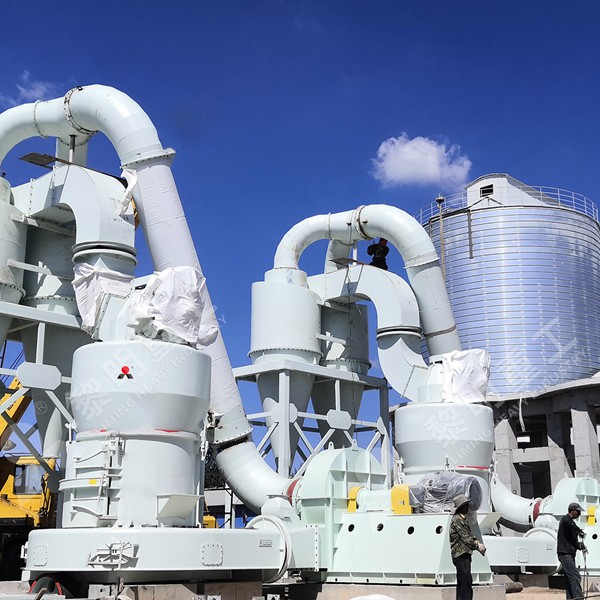 Establishing a predictive maintenance schedule is far superior to a reactive one. For a kaolin processing plant, the inspection interval depends on the mill's workload, the abrasiveness of the specific kaolin deposit, and the presence of any quartz or other hard mineral contaminants. Based on field data from numerous installations, Liming Heavy Industry recommends establishing a baseline inspection after a set number of operating hours for new equipment. Subsequent intervals can then be optimized based on the observed wear rate. During blade replacement, it is critical to use genuine, manufacturer-recommended parts. Liming's blades are engineered from specialized wear-resistant materials and cast to precise aerodynamic profiles, ensuring the mill restores its original design performance, optimal for achieving the fine, uniform kaolin powder that end-user industries require.
In conclusion, the meticulous checking of blade wear in a Kaolin Raymond Mill is not a minor task but a fundamental aspect of professional plant management. It bridges the gap between mere operation and true process optimization. By understanding the signs, implementing regular inspection protocols, and using high-quality replacement components, operators can ensure their milling equipment delivers reliable, efficient, and high-quality kaolin powder production year after year. This disciplined approach to maintenance reflects the engineering philosophy embedded in Liming Heavy Industry's equipment—where precision manufacturing and sustained performance are designed into every machine.
Frequently Asked Questions (FAQs)
- Q: How often should I check the grinding blades in my Raymond Mill when processing kaolin?
A: The interval varies based on throughput and material hardness. A general guideline is to perform a visual inspection every 200-300 operating hours initially. After establishing a wear pattern, a detailed measurement check can be scheduled accordingly, typically between 800 to 1500 hours for many standard kaolin applications. - Q: Can I simply rebuild or weld worn blades instead of replacing them?
A: While possible for minor damage, welding can alter the metallurgy and balance of the blade assembly. For optimal performance and to prevent imbalance that causes vibration, replacing with genuine, balanced blade sets from the original manufacturer (like Liming) is strongly recommended for significant wear. - Q: Does blade wear affect the energy consumption of the mill?
A: Absolutely. Worn blades disrupt the internal airflow and feeding efficiency, causing the main motor and the fan motor to work harder to achieve the same output, leading to a measurable increase in specific power consumption (kWh/ton). - Q: What is the main impact of worn blades on my final kaolin product?
A: The primary impact is a degradation in particle size consistency. You will likely see an increase in oversize particles (>44μm) and a wider overall size distribution, which may not meet specifications for high-grade paper coating or ceramic applications. - Q: Are there operational adjustments I can make to temporarily compensate for blade wear?
A: Operators sometimes increase fan speed or adjust the classifier to maintain fineness, but these are temporary fixes that often further increase energy use and may not address core issues like reduced throughput. A planned blade replacement is the correct long-term solution.


