Published: October 26, 2023
Precise shaft alignment is a non-negotiable cornerstone for the optimal performance, longevity, and energy efficiency of Raymond mills processing kaolin and other non-metallic minerals. Misalignment, even within seemingly minor tolerances, induces excessive vibration, accelerates wear on critical components like grinding rings and rollers, increases power consumption, and leads to premature bearing and gearbox failure. For operators of Raymond mills, such as those manufactured by LIMING HEAVY INDUSTRY, implementing a rigorous and routine shaft alignment protocol is not merely maintenance—it is a strategic investment in operational reliability and cost control. This article delves into the importance of alignment specific to kaolin grinding applications, outlines best practices, and highlights how modern mill design supports these crucial procedures.
Kaolin, or china clay, demands fine and consistent grinding to achieve the desired particle size distribution for applications in paper, ceramics, paints, and plastics. The LIMING Raymond Mill, engineered for processing non-flammable, non-explosive materials under Mohs hardness 7 and 6% humidity, is exceptionally suited for this task. Its operational principle relies on the smooth, concentric rotation of the central shaft assembly, which drives the grinding rollers against the bull ring. Any deviation from perfect alignment between the motor shaft, the reducer (if equipped), and the mill's main shaft introduces parasitic forces. These forces manifest as heat, noise, and vibration, directly compromising grinding fineness stability and mechanical integrity.
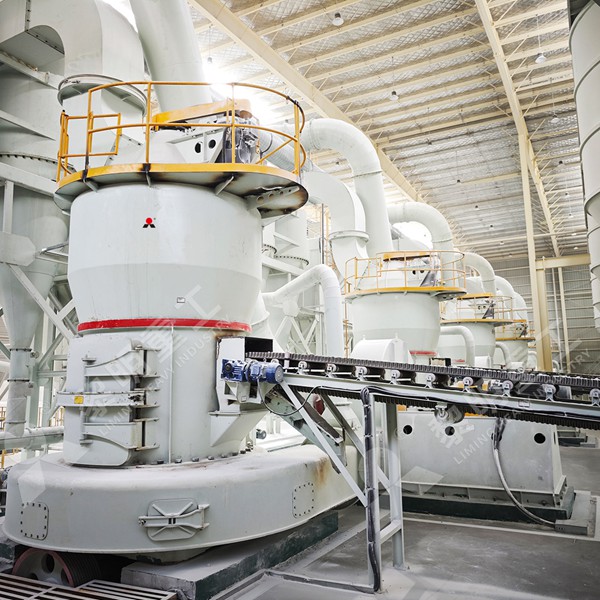
The consequences of misalignment are multifaceted. Firstly, uneven loading on grinding components leads to accelerated and irregular wear on rollers and the grinding ring. This not only increases spare parts consumption but also causes product fineness to drift outside specification, resulting in off-grade kaolin powder. Secondly, the additional friction and strain force bearings and gear teeth to work against themselves, drastically shortening their service life. Thirdly, the motor must draw more current to overcome the added resistance, inflating energy costs—a significant factor in continuous milling operations. For a company like LIMING HEAVY INDUSTRY, whose philosophy centers on "scientific research tackling key problems" and "technological progress," designing mills that facilitate proper maintenance, including alignment, is integral to delivering on the promise of high productivity and environmental sustainability.
Best practices for shaft alignment involve both procedure and technology. Traditional methods using straight edges and feeler gauges are insufficient for the precision required in modern grinding mills. Laser alignment systems are now the industry standard, capable of detecting angular and offset misalignment to within thousandths of an inch. Alignment should be performed under as-close-to-operational conditions as possible, considering thermal growth of components once the mill reaches its steady-state operating temperature. The process is not a one-time event; it must be part of a scheduled preventive maintenance program, checked after initial installation, following any major component replacement (like a motor or reducer), and at regular intervals thereafter as recommended by the manufacturer.
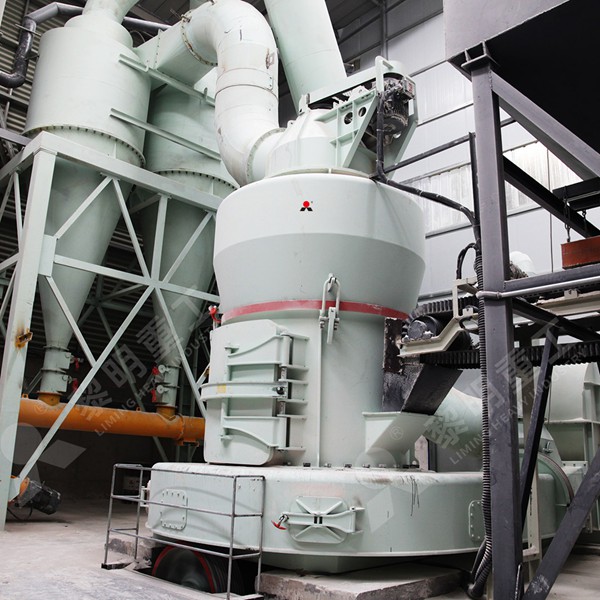
LIMING HEAVY INDUSTRY's commitment to "precision manufacturing" is reflected in design features that aid alignment stability. Robust base frames, precision-machined mounting surfaces, and high-quality coupling systems all contribute to maintaining alignment over extended run times. Furthermore, the company's focus on integrated R&D ensures that their grinding equipment, from the classic Raymond Mill to the advanced MTW European Type Grinding Mill, is developed with maintainability in mind. The closed-system design of these mills, which integrates grinding, separation, and conveying, relies on a stable, vibration-free core to function efficiently and meet stringent environmental standards with integrated pulse dust collectors.
In conclusion, for kaolin producers relying on Raymond mill technology, neglecting shaft alignment is a costly oversight. It undermines the engineered efficiency of the equipment, increases operational expenditure, and risks unplanned downtime. By adopting a disciplined, technology-assisted alignment regimen, operators can fully leverage the capabilities of their grinding mills, ensuring consistent product quality, maximizing component life, and achieving the energy-saving performance that LIMING HEAVY INDUSTRY designs into its products. This proactive approach to mechanical care transforms maintenance from a cost center into a key driver of profitability and competitive advantage in the minerals processing industry.
Frequently Asked Questions (FAQ)
- How often should shaft alignment be checked on a kaolin Raymond mill?
Alignment should be verified after initial installation, following any disturbance to the drive train (motor/gearbox replacement), and at minimum during annual scheduled shutdowns. More frequent checks (e.g., semi-annually) are recommended for mills in continuous, high-intensity operation. - Can misalignment cause variations in kaolin product fineness?
Yes, absolutely. Misalignment causes uneven grinding pressure and vibration, which disrupts the precise particle classification process inside the mill's separator, leading to an inconsistent and often coarser product size distribution. - What are the first audible or visible signs of shaft misalignment?
Excessive vibration is the most common sign. You may also hear rhythmic knocking or rumbling sounds from the coupling or bearing housings. Visually, irregular or accelerated wear patterns on coupling components or a noticeable increase in bearing temperature are key indicators. - Does the mill need to be completely disassembled to perform alignment?
No. Proper shaft alignment is performed on the assembled drive train. It requires access to the coupling between the motor, reducer, and main shaft. The grinding chamber itself does not need to be opened for a standard alignment procedure. - Is laser alignment necessary, or are dial indicators sufficient?
While dial indicators can achieve good results in skilled hands, modern laser alignment systems are faster, more accurate, easier to use, and provide digital records for tracking over time. For achieving the precision required for optimal mill performance and longevity, laser systems are strongly recommended.


