Published on: October 26, 2023
Optimizing the grinding parameters for ceramic body kaolin is a critical determinant of final product quality, influencing particle size distribution, rheology, and firing characteristics. This article provides a detailed examination of key grinding parameters—including feed size, moisture content, grinding pressure, classifier speed, and airflow—within the context of modern milling technologies. Drawing from the extensive engineering expertise and product portfolio of Liming Heavy Industry Co., Ltd., we explore how selecting and fine-tuning the appropriate grinding equipment, such as Vertical Roller Mills, Raymond Mills, and specialized Micro Powder Mills, can achieve precise fineness control, enhance energy efficiency, and ensure consistent batch-to-batch performance for high-grade ceramic applications.
The journey of kaolin from a raw, mined material to the refined backbone of a ceramic body is one defined by precision. At its core, this transformation is governed by grinding—a process that must be meticulously controlled to unlock the mineral's inherent properties. For ceramic manufacturers, the target is not merely a fine powder, but a powder with a specific particle size distribution (PSD) that promotes plasticity, reduces firing shrinkage, and ultimately yields a strong, vitrified product. This is where the science of grinding parameters intersects with advanced milling technology.
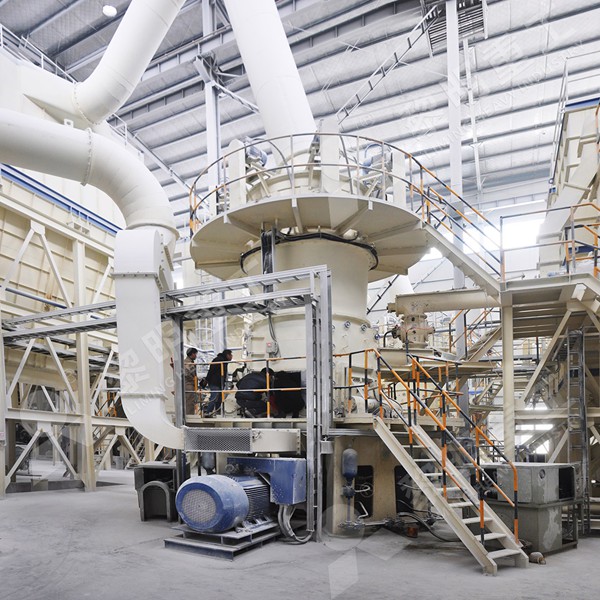
One of the most significant advancements in this field is the LM Vertical Roller Mill. Its integrated design, which combines drying, grinding, classification, and conveying, is particularly suited for kaolin with variable moisture content. The primary grinding parameters here involve the hydraulic pressure exerted on the grinding rollers and the speed of the integral classifier. For a typical ceramic body kaolin aiming for a fineness of 90% passing 10 microns, operators would adjust the grinding pressure to ensure sufficient comminution force without causing excessive wear, while simultaneously tuning the classifier rotor speed to reject oversized particles back to the grinding table. The system's ability to handle input sizes up to 55mm and its high-capacity range (10-400 T/H) make it ideal for large-scale ceramic production lines where consistency and throughput are paramount.
For applications requiring fine to ultra-fine kaolin powders, the MW Micro Powder Mill represents a technological frontier. Leveraging advanced grinding technology, this mill excels in producing superfine powders up to d97 ≤ 5μm. The key parameters shift towards ultra-precise control of the grinding ring and roller geometry, the rotational speed of the main shaft, and the airflow dynamics within the grinding chamber. The fineness is directly adjusted by the frequency of the analyzer motor; increasing the speed allows only the finest particles to pass through the turbine blades for collection. This level of control is essential for producing specialty ceramic bodies or engobes where extreme fineness and narrow PSD are required to achieve specific surface gloss, texture, or mechanical strength.
Traditional yet highly reliable, the Raymond Mill and its evolved counterpart, the MTW European Type Grinding Mill, remain workhorses for kaolin processing. Their operation hinges on the synchronized adjustment of several parameters: the feed rate (controlled to 15-25mm input size), the grinding force between the roller and the ring, and the air volume from the blower. The MTW mill, with its patented technology, offers enhanced stability and energy efficiency. Its curved air duct design minimizes airflow resistance, a critical parameter affecting the transportation and classification of fine kaolin particles. The system's closed-loop airflow, coupled with efficient pulse dust collectors, ensures that the processing environment remains clean—a non-negotiable parameter for high-purity ceramic grades.
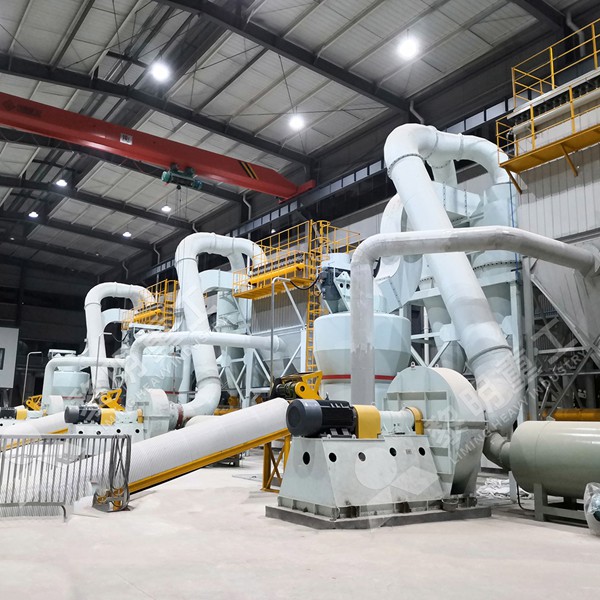
Finally, the ubiquitous Ball Mill plays a vital role, especially in wet grinding processes for ceramic slip preparation. Here, parameters extend beyond the machine to the grinding media itself. The size, density, and loading of the alumina or porcelain balls, the rotational speed of the mill (as a percentage of critical speed), and the slurry solid content are all decisive factors. A ball mill operating at the correct speed ensures the balls cascade onto the material for optimal impact grinding, producing the rounded particle shapes often desired in ceramic bodies for improved rheology.
In conclusion, mastering ceramic body kaolin grinding is not about a single "magic" setting but about understanding the interplay of multiple parameters within a chosen technological framework. Founded in 1987, Liming Heavy Industry Co., Ltd. has dedicated over three decades to refining this very science through continuous research, technological innovation, and precision manufacturing. Whether through the high-efficiency vertical grinding of an LM mill, the superfine capabilities of the MW mill, or the robust reliability of the MTW series, the correct alignment of grinding parameters with the right equipment is the foundation for producing superior kaolin that meets the exacting standards of the modern ceramic industry.
Frequently Asked Questions (FAQs)
- What is the most critical grinding parameter for controlling the plasticity of ceramic kaolin?
While multiple factors are involved, achieving a consistent and optimal particle size distribution (PSD) is paramount. A balanced PSD with a controlled percentage of fine particles (<2μm) significantly enhances surface area and water retention, directly improving the plasticity and workability of the ceramic body. - Can the same mill handle kaolin with different moisture contents?
Yes, but the choice of mill is crucial. Equipment like the LM Vertical Roller Mill integrates a drying function with hot air, allowing it to efficiently process kaolin with higher moisture content directly, thereby simplifying the production line and saving energy compared to a separate drying step. - How does classifier speed in mills like the MW Micro Powder Mill affect the final product?
The classifier speed is a direct and sensitive fineness control parameter. A higher rotational speed creates greater centrifugal force, allowing only finer particles to pass through the classifier blades. Adjusting this speed enables precise, on-the-fly control of the top particle size cut point in the final kaolin powder. - Why is a closed-loop airflow system important in kaolin grinding?
A closed-loop system, as featured in mills like the MTW European Type Grinding Mill, is vital for efficiency, product recovery, and environmental compliance. It recycles heated air, conserving thermal energy used for drying, and ensures that all fine particles are captured by the in-line dust collector, minimizing material loss and preventing atmospheric release. - What role does grinding media play in a ball mill for ceramic kaolin?
In ball milling, the media (balls) are active grinding parameters. Their material (e.g., high-alumina ceramic for contamination-free grinding), size distribution, and fill ratio directly influence grinding efficiency, energy consumption, and the final particle shape. Optimized media promotes efficient impact and attrition to achieve the desired fineness and particle morphology.


