Published: October 26, 2023
For operators and maintenance engineers in the kaolin processing industry, the timely and correct replacement of the screen (or classifier) in a Raymond mill is a critical maintenance procedure that directly impacts product fineness, throughput efficiency, and overall system stability. This article, drawing from Liming Heavy Industry's decades of engineering expertise in grinding equipment, provides a detailed, professional guide to the screen replacement process for Raymond mills used in kaolin applications. We will cover the function of the screen, signs indicating replacement is needed, a step-by-step replacement protocol, and best practices to maximize the service life of both the mill and its components, ensuring your operation maintains peak productivity and consistent powder quality.
The screen, or classifier, within a Raymond mill is not merely a passive sieve but an active, precision component responsible for separating fine, product-grade powder from coarser particles that require further grinding. In kaolin processing, where achieving a specific and consistent fineness (typically within the 44μm to 613μm range) is paramount for product value in paper, ceramics, and coatings, the classifier's role is indispensable. It ensures that only particles meeting the target size are allowed to exit the grinding chamber as finished product, while oversize material is recirculated. Over time, wear on the blades, vanes, or the screen mesh itself can alter the aerodynamic separation characteristics, leading to a broader particle size distribution, increased recirculation load, and reduced mill capacity.
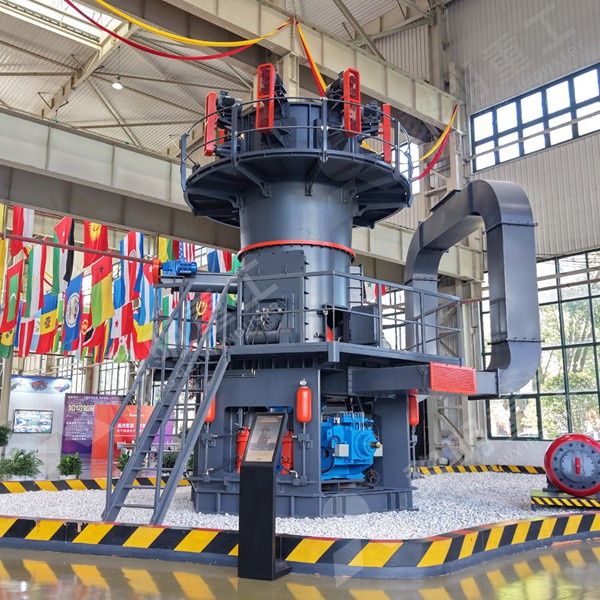
Recognizing the signs of a worn classifier is the first step in proactive maintenance. Key indicators include a gradual shift in product fineness despite unchanged operational settings, a noticeable decrease in output tonnage, increased energy consumption per ton of product, or abnormal vibrations and noises emanating from the classifier section. For kaolin, which is a relatively soft but abrasive material, wear occurs steadily. At Liming Heavy Industry, our field service data suggests establishing a regular inspection schedule based on operational hours and kaolin feedstock characteristics is more effective than waiting for severe performance degradation.
The replacement process demands meticulous attention to safety and procedure. First, ensure the mill is completely shut down, electrically isolated, and the system has cooled. After safely accessing the classifier housing, the old screen assembly must be carefully dismounted. This is an opportune moment for a thorough internal inspection of the grinding rolls, ring, and other wear parts. The installation of the new screen must be performed with precision, ensuring perfect alignment and secure fastening as per the manufacturer's specifications. Even minor misalignment can cause imbalance, vibration, and premature failure. It is crucial to use genuine replacement parts engineered for your specific Liming Raymond mill model. Our components are manufactured to original tolerances and material specifications, guaranteeing optimal fit and performance longevity.
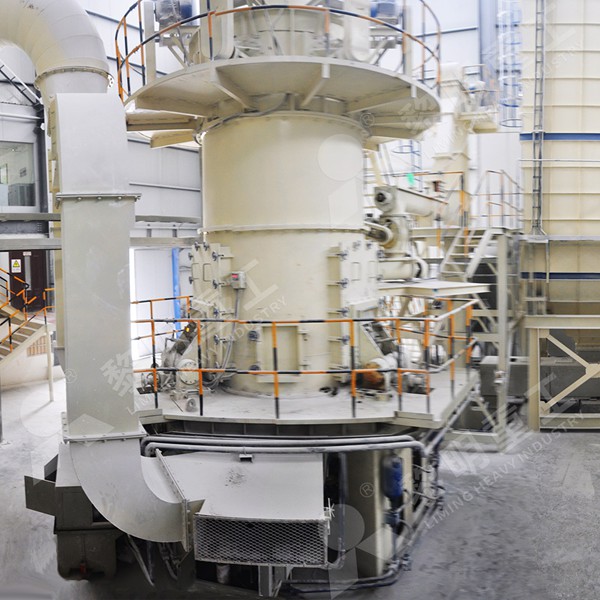
Beyond the replacement act itself, long-term performance hinges on integrated system health and operational discipline. The condition of grinding rolls and rings directly affects the load on the classifier. Worn grinding elements produce a different particle feed to the screen, accelerating its wear. Furthermore, adhering to the mill's designed operational parameters for kaolin—such as feed size (optimally 15-25mm), moisture content (below 6%), and grinding pressure—is essential. Overloading the mill or feeding improperly prepared material stresses the entire system, including the classifier. Liming Heavy Industry's design philosophy, embodied in our modern Raymond mills and the advanced MTW European Type Grinding Mill, integrates robust construction with intelligent system design to enhance durability and simplify maintenance, ensuring that components like the classifier work in harmony for extended periods.
In conclusion, proactive and knowledgeable screen replacement is a cornerstone of efficient kaolin powder production. By understanding the classifier's function, monitoring for wear signs, executing precise replacement procedures with OEM parts, and maintaining the entire grinding system, operators can ensure consistent product quality, maximize equipment uptime, and protect their capital investment. Leveraging the engineering heritage and continuous innovation of manufacturers like Liming Heavy Industry provides the reliable foundation and support necessary for these critical industrial processes.
Frequently Asked Questions (FAQ)
Q1: How often should the screen/classifier in my kaolin Raymond mill be replaced?
A1: There is no universal interval; it depends on abrasiveness of the kaolin, operational hours, and target fineness. Regular inspection of product fineness and mill throughput is the best guide. Based on typical operations, inspection is recommended every 800-1500 hours.
Q2: Can I use a non-OEM screen replacement to reduce downtime?
A2: While possible, it is not recommended. Non-genuine parts may not meet precise material and dimensional specifications, leading to poor fit, imbalance, reduced classification efficiency, and potential damage to other mill components, ultimately increasing total lifecycle cost.
Q3: What tools are required for a screen replacement?
A3: Standard mechanical tools (wrenches, hoists), personal protective equipment, and the mill's specific service manual are essential. Most importantly, ensure you have the correct replacement part kit from the original manufacturer before starting.
Q4: Does replacing the screen require recalibration of the entire mill?
A4: Yes, typically. After installing a new screen, it is crucial to run the mill and check the product fineness. Adjustments to the classifier speed (if variable) or the grinding pressure may be necessary to return to the exact target specification for your kaolin product.
Q5: Are there operational practices to extend my classifier's service life?
A5: Absolutely. Ensuring consistent feed size and moisture content within design limits, avoiding mill overloads, and maintaining the grinding rolls and rings in good condition will reduce the abrasive and irregular load on the classifier, significantly extending its operational life.


