Published: October 26, 2023
Proper assembly of the grinding roller system is the cornerstone of achieving optimal performance, longevity, and consistent fine powder output from a Raymond Mill processing kaolin. This guide details the systematic procedure for assembling the roller assembly, a critical component in Liming Heavy Industry's Raymond Mill, emphasizing precision alignment, correct torque application, and adherence to safety protocols to ensure the mill operates at peak efficiency for mineral grinding applications.
At Liming Heavy Industry, with over three decades of expertise in manufacturing medium and large-scale crushing and grinding equipment, we understand that the heart of a reliable Raymond Mill lies in its grinding mechanism. The roller assembly, comprising the grinding roller, shaft, bearings, and seals, is subjected to immense mechanical forces during the comminution of non-explosive, sub-7 Mohs hardness materials like kaolin. A meticulously executed assembly is not merely a maintenance task; it is a fundamental investment in the mill's future productivity and operational stability.
The assembly process begins in a clean, controlled environment. All new components, including the grinding roller, roller shaft, tapered roller bearings, labyrinth seals, and lock nuts, should be inspected for any shipping damage or manufacturing defects. Thoroughly clean all parts with a non-abrasive solvent to remove anti-corrosion coatings and particulate matter. Pay particular attention to the bearing housings on the roller and the corresponding shaft journals, as even microscopic debris can lead to premature bearing failure and uneven wear.
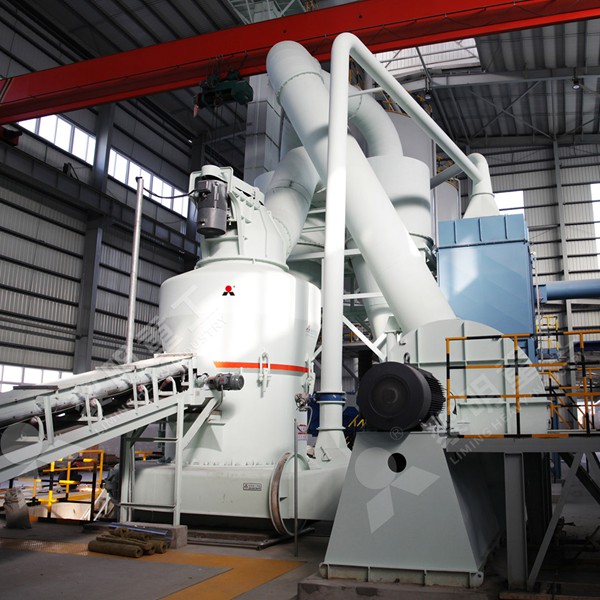
The core of the assembly is the bearing mounting. Apply a thin, uniform layer of high-temperature bearing grease to the roller's inner bearing housing. Preheat the grinding roller using an induction heater or a controlled oven to a temperature recommended in the technical manual (typically 80-110°C). This thermal expansion facilitates a smooth, press-fit installation of the bearings onto the shaft, preventing damage from forceful hammering. Carefully place the pre-heated inner bearing race onto the cold roller shaft, ensuring it seats squarely against the shaft shoulder. The use of a specialized mounting tool is strongly advised to apply even axial force.
Once the inner bearing is seated, install the roller onto the shaft. Next, mount the outer bearing and the labyrinth seal assemblies. The labyrinth seals are crucial for preventing kaolin powder ingress, which is highly abrasive. Ensure the seal rings are aligned correctly and have the specified radial clearance. The final and most critical step is bearing adjustment. Using a dial indicator, adjust the lock nuts to achieve the precise axial clearance (or pre-load) specified by Liming Heavy Industry's engineering standards. This clearance is paramount; excessive play causes roller wobble and poor grinding fineness, while excessive pre-load generates heat and leads to rapid bearing degradation. Tighten the lock nut to the exact torque value provided in the manual and secure it with the lock washer.
Before installing the fully assembled roller unit back into the mill frame, perform a manual rotation test. The roller should rotate freely, smoothly, and without any binding or gritty sensation. Re-check the axial play with the dial indicator. The assembly is now ready for installation. When hoisting the unit, use appropriate lifting points to avoid bending the shaft. Align the roller shaft with the coupling of the driving system carefully. Misalignment is a primary source of vibration and abnormal wear. After connecting the drive and securing all bolts to their specified torque, conduct a final visual inspection.
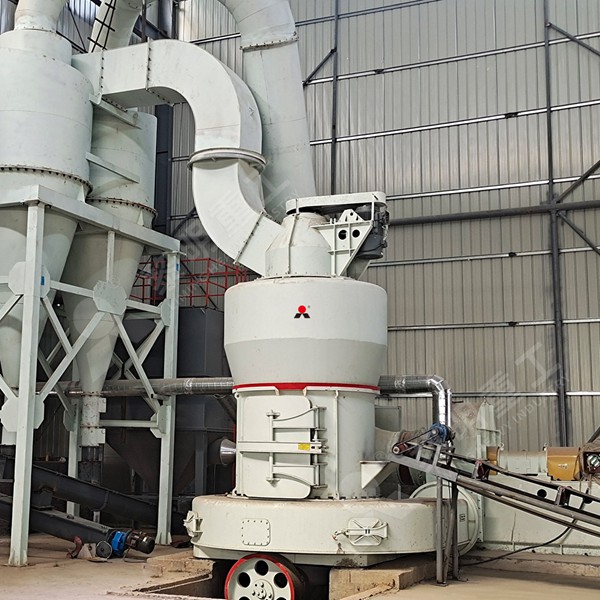
Initiate a no-load test run for a minimum of two hours. Monitor bearing temperature rise closely; it should stabilize within a safe operating range. Listen for unusual noises and check for excessive vibration. Only after a successful no-load test should you begin feeding material. Start with a low feed rate of kaolin and gradually increase to the designed capacity (e.g., 1.2-4.5T/H for our standard Raymond Mill), observing the mill's behavior and the fineness of the output product, which should be adjustable within the 44μm to 613μm range.
This methodical approach to roller assembly, championed by Liming Heavy Industry's commitment to precision manufacturing and scientific management, directly translates to enhanced mill performance. It ensures stable grinding pressure, uniform particle size distribution for kaolin, and maximizes the service life of wear parts. Proper assembly minimizes unplanned downtime, supports the mill's role in efficient non-metallic mineral processing lines, and upholds the operational excellence expected from our grinding technology.
Frequently Asked Questions (FAQ)
- What is the most common mistake during roller assembly that affects kaolin fineness?
Incorrect bearing axial clearance is the most prevalent issue. Too much clearance allows the roller to oscillate, leading to inconsistent grinding gap and uneven particle size. Always use a dial indicator and follow the specified clearance tolerances precisely. - How often should the roller assembly be disassembled for inspection and re-greasing?
The interval depends on operational hours and material abrasiveness. For continuous kaolin processing, a thorough inspection and bearing re-greasing is recommended every 6-12 months. Consult the mill's maintenance schedule for specific guidance based on your operating conditions. - Can the same assembly procedure be used for other materials like calcium carbonate or gypsum?
Yes, the fundamental mechanical assembly procedure remains consistent for processing various non-flammable, non-explosive materials under 7 Mohs hardness. However, wear rates and inspection intervals may differ based on the material's specific abrasiveness. - Why is thermal heating of the roller recommended for bearing installation?
Heating the roller causes the inner bearing housing to expand slightly, allowing the bearing to slide onto the shaft with a controlled press-fit. This method prevents mechanical damage to bearing races and rollers that can occur from brute force, ensuring perfect seating and longevity. - What are the key signs of an improperly assembled roller during operation?
Key indicators include abnormal vibration or noise, excessive bearing temperature (beyond 80°C rise over ambient), uneven wear patterns on the grinding ring, and inability to achieve the target fineness (e.g., 325 mesh) for kaolin despite adjusting the classifier.


