Published: October 26, 2023
Proper classifier adjustment is the cornerstone of achieving optimal particle size distribution and production efficiency in kaolin processing with Raymond mill systems. This comprehensive guide from LIMING HEAVY INDUSTRY details the principles, procedures, and best practices for fine-tuning the classifier of your Raymond mill, specifically for kaolin applications. We will cover the critical relationship between classifier speed, blade angle, and final product fineness, provide step-by-step adjustment protocols, and discuss how to troubleshoot common issues to maintain consistent, high-quality kaolin powder output that meets exacting specifications.
At LIMING HEAVY INDUSTRY, with over three decades of experience in manufacturing precision grinding equipment, we understand that the classifier is the heart of the Raymond mill's sizing capability. For kaolin—a soft, plate-like clay mineral—the goal is often to produce a fine, consistent powder without over-grinding, which can damage particle structure and affect end-product properties like brightness and viscosity. The Raymond mill's integrated classifier system allows for precise control over this process.
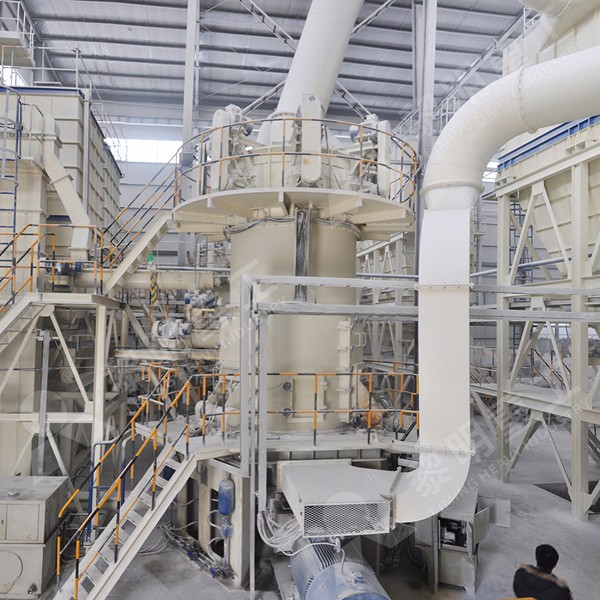
The working principle is straightforward yet elegant: ground kaolin particles are carried by the air stream to the classifier. Here, rotating blades (or vanes) create a centrifugal force. Coarser particles are rejected and returned to the grinding ring for further size reduction, while finer particles that meet the cut-point pass through and are collected as product. The primary adjustment parameters are the rotational speed of the classifier and the angle of the classifier blades. Increasing the classifier speed increases centrifugal force, allowing only finer particles to pass, resulting in a finer product. Conversely, reducing the speed yields a coarser product. Adjusting the blade angle modifies the airflow pattern and the sharpness of the cut, providing additional control over the particle size distribution curve.
Step-by-Step Adjustment Procedure
1. Establish a Baseline: Before any adjustment, record the current operating parameters: classifier RPM (read from the variable frequency drive), motor amperage, feed rate, and product fineness (via sieve analysis or laser particle analyzer).
2. Define Target Fineness: Clearly identify the required product specification (e.g., 99% passing 325 mesh/45μm for coating-grade kaolin).
3. Make Incremental Changes: Adjust only one parameter at a time. For a finer product, increase the classifier speed in small increments (e.g., 10-20 RPM). Allow the system to stabilize for at least 15-30 minutes after each change before sampling.
4. Monitor System Health: Closely observe the main motor amperage and the fan amperage. A significant increase may indicate overloading or improper circulation. The grinding chamber pressure should remain stable.
5. Test and Analyze: Take a representative product sample and analyze its fineness. Compare it to the target.
6. Fine-tune with Blade Angle: If speed adjustment alone does not achieve the desired distribution, consider minor adjustments to the static blade angle. A steeper angle typically creates a sharper classification.
7. Document the Optimal Settings: Once the target fineness is consistently achieved, document all final parameters (RPM, angle, feed rate, key amperages) for future reference and repeatable production runs.
Optimization for Kaolin-Specific Characteristics
Kaolin's relatively low hardness (1-2.5 on Mohs scale) means it grinds easily but also requires careful control to prevent excessive generation of ultra-fines. The classifier adjustment should aim for a sharp cut to minimize the fraction of sub-micron particles if they are detrimental to the application. Furthermore, because kaolin is often processed to remove moisture, ensure the mill's drying capacity is synchronized with the grinding and classification. An overloaded classifier due to high moisture can lead to poor separation efficiency and product inconsistency.
Troubleshooting Common Classification Issues
- Product is Too Coarse: This is the most common issue. First, verify the feed size is within the mill's specification (<25mm). Then, systematically increase the classifier speed. Also, check for worn grinding rolls or rings, as insufficient grinding will overwhelm the classifier.
- Product is Too Fine/Unexpected Ultra-fines: Reduce the classifier speed. Inspect classifier blades for wear or damage, which can reduce classification efficiency. Verify the air volume from the blower is not excessively high.
- Fluctuating or Unstable Fineness: This often points to an inconsistent feed rate. Ensure the feeder is calibrated and providing a steady, uniform flow of material. Check for leaks in the system air seals, which can disrupt the internal air flow.
- Reduced Output Capacity: Overly strict classifier settings (very high speed for super-fine product) will reduce throughput. A balance must be struck between fineness and capacity. Consider if the target fineness is necessary for the application.
Regular maintenance of the classifier is non-negotiable. Schedule periodic inspections for blade wear, shaft balance, and bearing condition. Worn blades will not generate the proper aerodynamic forces, making precise control impossible. LIMING HEAVY INDUSTRY's Raymond mills are designed for robust performance and ease of maintenance, supporting your goal of sustainable, high-yield kaolin production. By mastering classifier adjustment, you transform the mill from a simple grinder into a precision particle-sizing instrument.
Frequently Asked Questions (FAQ)
Q1: How often should I check or recalibrate the classifier settings on my Raymond mill for kaolin?
A: Under stable feed and material conditions, a formal check is recommended at the start of each production campaign or after every 200-300 operating hours. However, monitor product fineness daily with a quick sieve check. Recalibrate whenever the source kaolin changes in characteristics or the target product specification is altered.
Q2: Can the classifier be adjusted while the mill is running?
A: Modern LIMING Raymond mills with variable frequency drives (VFD) allow for safe, real-time adjustment of the classifier rotational speed while operating. However, physical adjustments to the blade angle typically require the system to be shut down and locked out for safe access to the classifier chamber.
Q3: What is the most common mistake made during classifier adjustment?
A: The most frequent error is making large, simultaneous adjustments to multiple parameters (speed, feed rate, air volume). This makes it impossible to isolate the cause of any change in product fineness. Always adjust one variable at a time in small increments and allow the system to stabilize.
Q4: Does ambient temperature or humidity affect classifier performance for kaolin milling?
A: Yes, significantly. Cold, dense air can affect airflow dynamics and classification efficiency. High humidity can cause moisture condensation or affect the dryness of the feed, leading to material buildup and poor classification. The mill system should be operated in a controlled environment where possible.
Q5: If classifier speed adjustments are not achieving the desired fineness, what should I investigate next?
A: First, inspect the condition of the grinding elements (rolls and ring). Severe wear will produce insufficiently ground material that the classifier cannot properly sort. Second, check the classifier blades and shaft for wear, imbalance, or damage. Third, verify the system's air balance and check for leaks, as incorrect air volume directly impacts particle transport and separation.


